Trying to decide between a full-service high-rise and a quiet boutique building in Streeterville? You are not alone. With lakefront views, world-class shopping, and quick access to hospitals and downtown jobs, the right building type can make your daily routine smoother and your budget more predictable. In this guide, you will compare costs, amenities, rules, parking, and resale factors, plus get a simple checklist to evaluate any building with confidence. Let’s dive in.
Why building choice matters in Streeterville
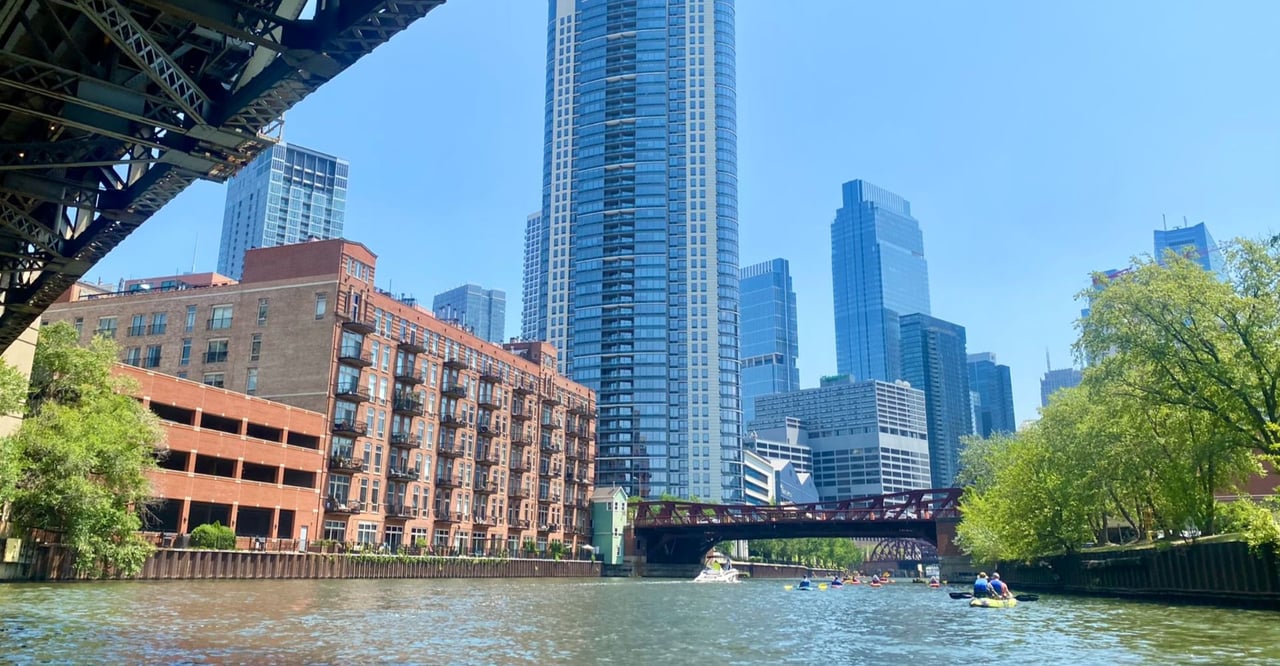
Streeterville sits between Lake Michigan and the Chicago River, with Michigan Avenue just steps away. The neighborhood blends luxury towers, medical and research facilities, and major attractions like Navy Pier and Oak Street Beach. That mix means you will find both service-rich high-rises and character-filled boutique buildings on the same block.
Walkability and transit access are strong, so owning a car is optional for many residents. That said, parking supply and cost matter, especially if you commute by car or need regular guest parking. Building type directly affects what you pay each month, how you live day to day, and how easy it may be to rent out or resell your home.
High-rise vs boutique: what to expect
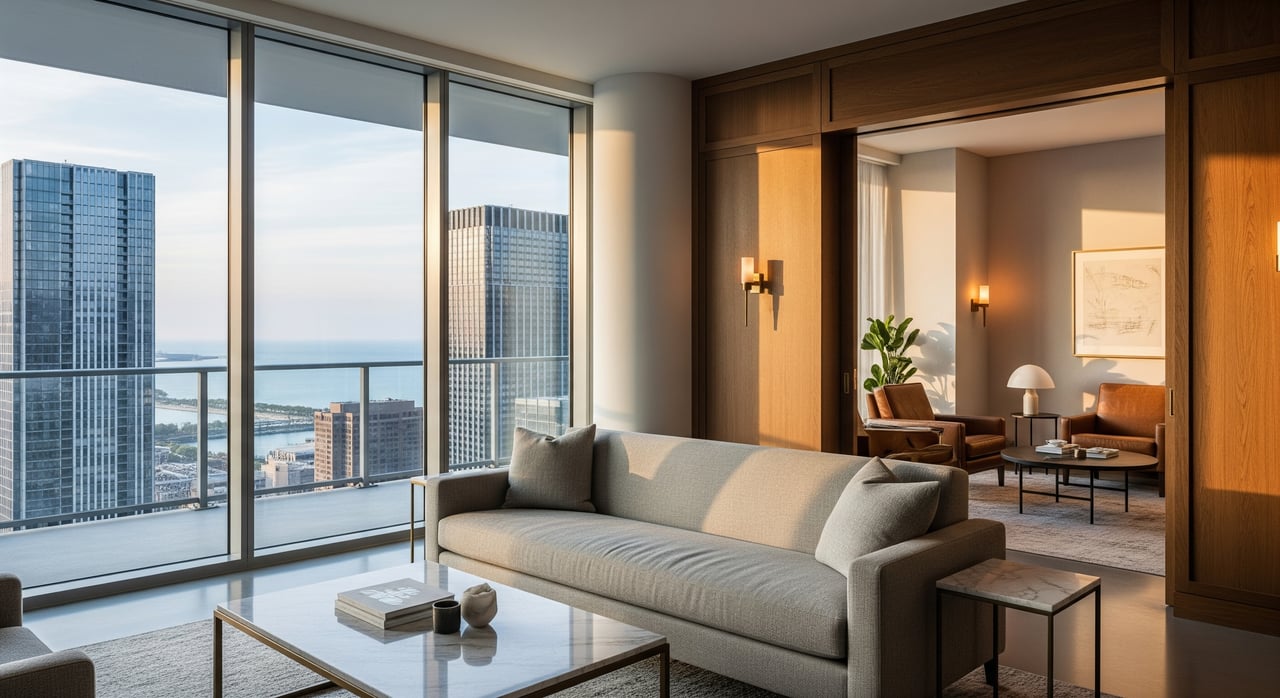
High-rise towers
- Typically 20-plus stories with a wide range of floor plans from studios to multi-bedroom units.
- Broad amenity packages are common: doorman or concierge, fitness center, pool, package rooms, lounges, rooftop decks, and on-site parking.
- On-site management and professional staff increase convenience and security.
- Expect higher purchase prices per square foot for premium views and higher monthly HOA fees to fund amenities and staffing.
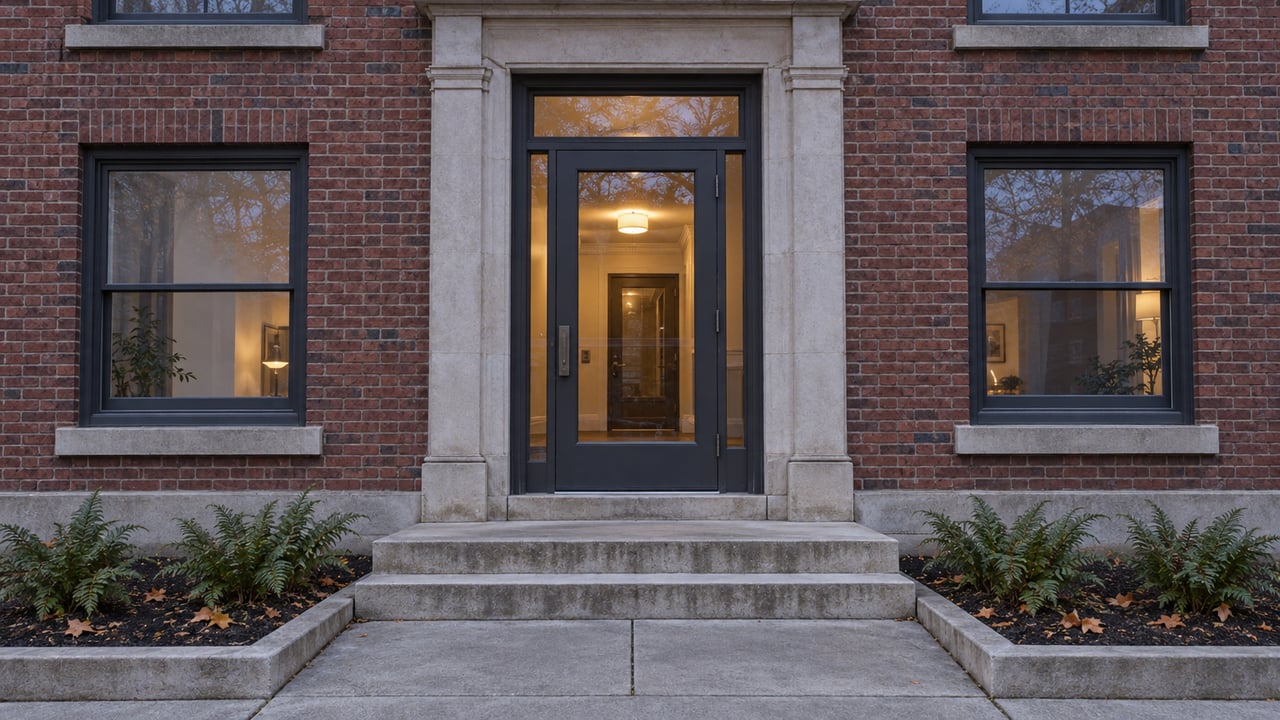
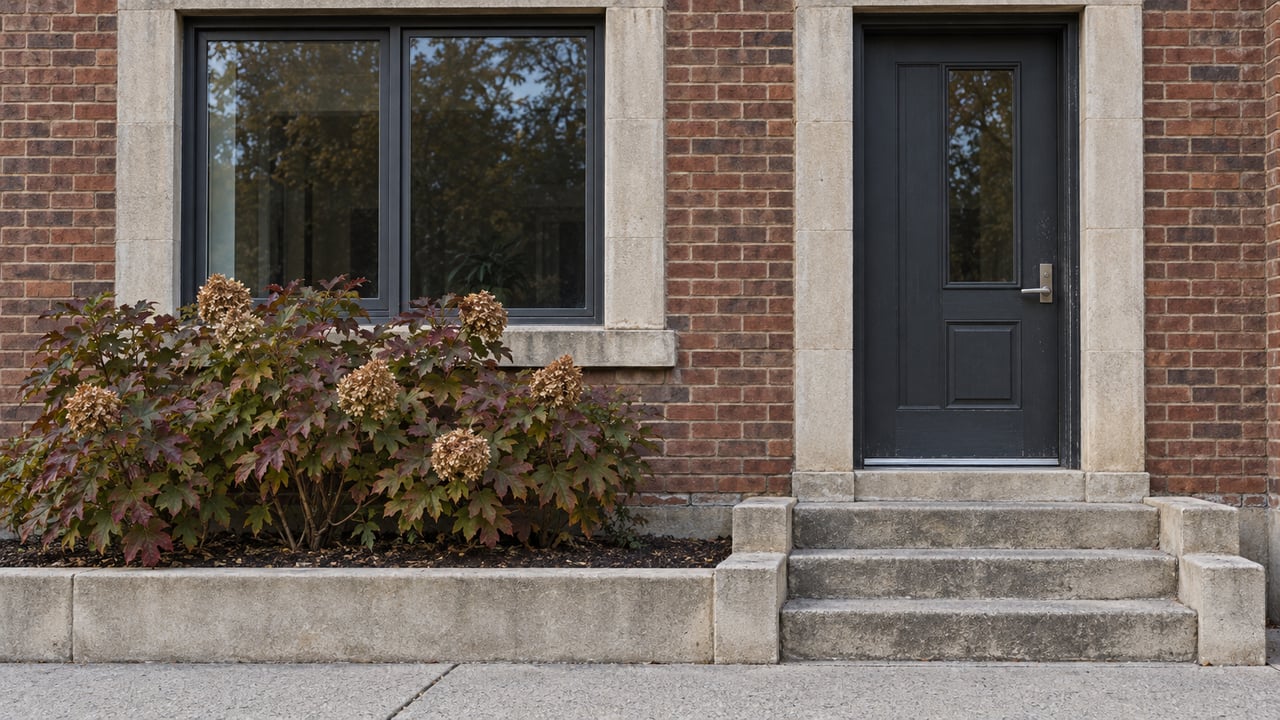
Boutique and mid-rise buildings
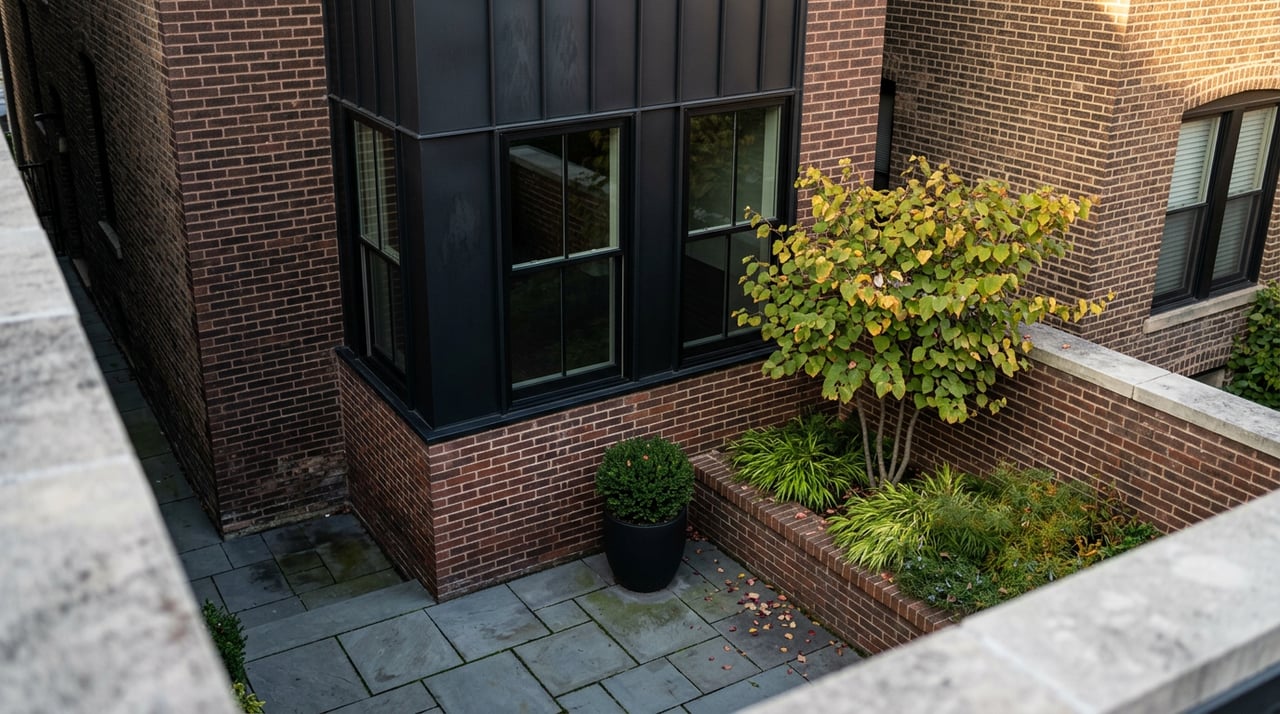
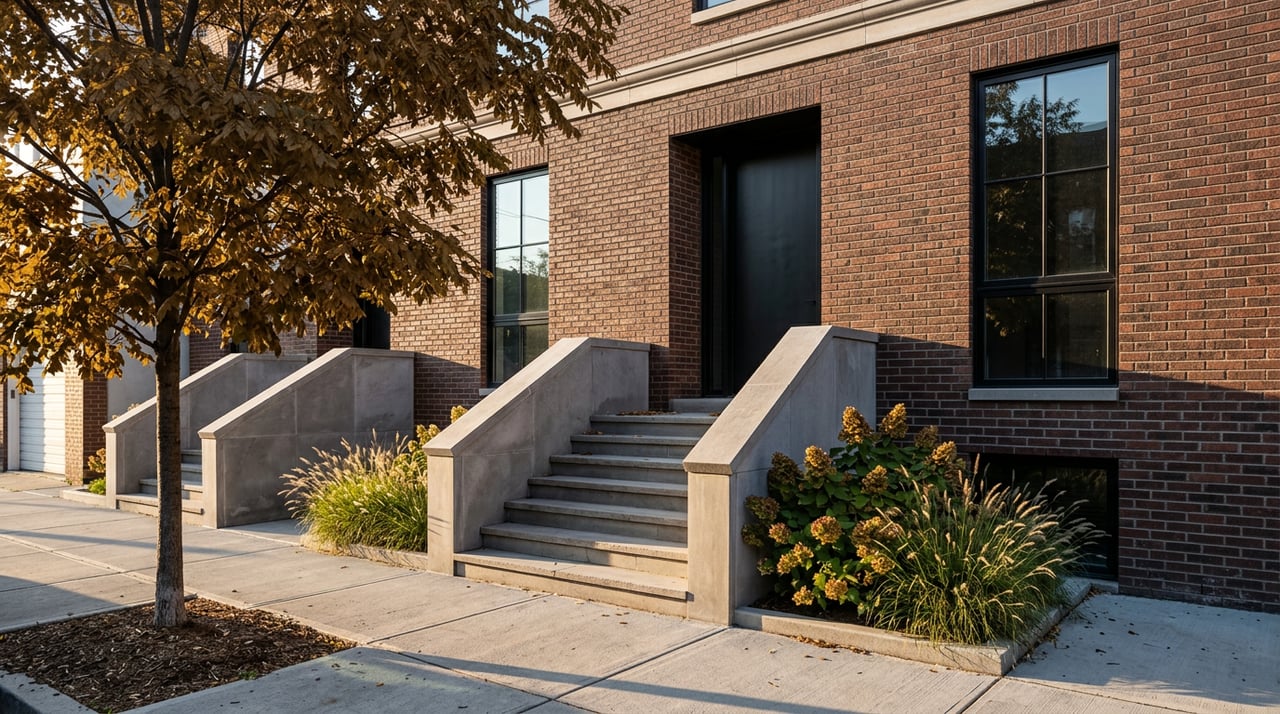
- Usually 3 to 10 stories with fewer units and a smaller footprint.
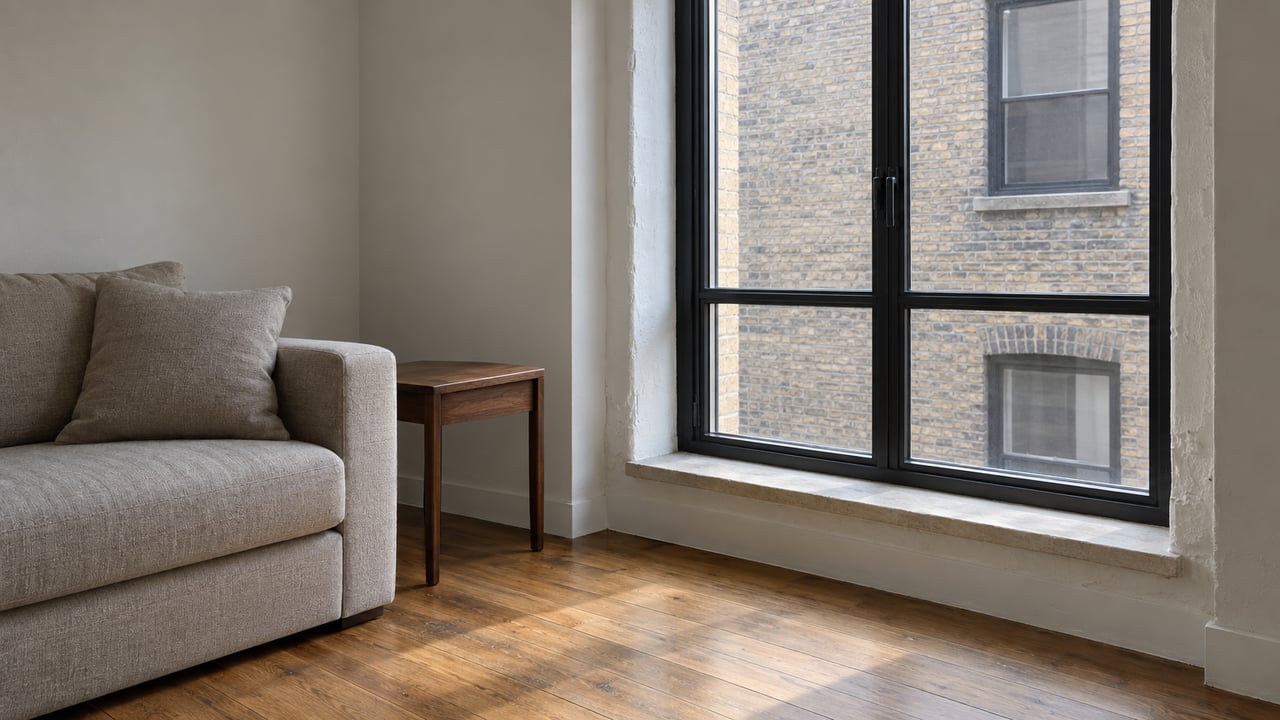
- Layouts can be larger or more unique, especially in older or converted buildings.
- Amenities tend to be limited to essentials like secured entry, a small fitness room, laundry, or a shared roof deck.
- HOA fees are often lower, but small associations can face larger per-unit costs for major projects.
Cost: what drives the numbers
Purchase price and monthly fees vary by building, view, age, and condition. In general:
- Purchase price: High-rises often command premiums for lake or skyline views and luxury finishes. Boutique units can be lower per square foot but vary widely based on renovation level and layout.
- HOA fees: High-rises typically carry higher fees that fund pools, fitness centers, 24-7 staff, and building systems. Boutique buildings often have lower fees, but confirm reserve funding and recent assessment history.
- Utilities and services: Clarify what your monthly fees include. Some high-rises bundle heat, water, internet or cable, while boutiques may separate more costs. Knowing what is included helps you compare apples to apples.
Lifestyle and amenities
Your daily routine should guide your choice.
- If you want on-site fitness, a pool, package handling, guest suites, and social spaces, high-rises deliver consistent convenience.
- If you prefer a quieter, more private feel with fewer neighbors and less foot traffic, a boutique building often wins.
- High-rises can have elevator waits at peak times. Boutique buildings may feel more residential with fewer shared corridors and less congestion.
Views, light, and layouts
Views are a defining feature in Streeterville.
- High-rises commonly offer floor-to-ceiling windows and panoramic lake or skyline vistas, especially in newer towers.
- Boutique buildings may trade wide-angle views for larger rooms, unique floor plans, or private outdoor spaces like terraces.
- If view is a priority, expect to pay a premium and plan for higher resale expectations tied to those views.
Parking, storage, and deliveries
Parking is limited and often sold or rented separately.
- High-rises usually provide on-site garage parking, sometimes valet, for an added cost. Storage lockers and bike rooms are more common in larger buildings.
- Boutique buildings may have limited or no dedicated parking. If you own a car, confirm availability, deeded vs assigned status, and monthly or purchase pricing.
- Ask how package handling works. High-rise concierge teams can streamline deliveries, while smaller buildings may have secure package rooms or simpler systems.
Investment and rental rules
If you are buying with rental income in mind, look closely at leasing policies.
- Some associations limit rentals or require minimum lease lengths. Rental-friendly high-rises can appeal to investors targeting professionals who work downtown or in nearby medical centers.
- Liquidity varies. High-rise condos often attract broader buyer pools, including out-of-town buyers and investors. Boutique units can be more niche, with resale speed tied to building reputation and unique layouts.
Maintenance and special assessments
Every building needs capital projects over time.
- High-rises typically have professional management and larger reserves, but they also face major system costs like elevators and facade work.
- Smaller boutique associations can see higher per-unit expenses during big projects if reserves are thin. Review reserve studies, meeting minutes, and planned projects before you buy.
Safety and security
Streeterville buildings commonly offer strong access control, but the approach differs.
- High-rises often have staffed security or concierge, cameras, and controlled entry for residents and guests.
- Boutique buildings may rely on secure entry systems without full-time staff. Ask about cameras, intercoms, and package security to match your comfort level.
How to choose: a simple decision framework
Use this quick filter to align your choice with your top priorities:
- Rank your top four: budget, amenities, privacy, view, parking.
- Decide must-haves versus nice-to-haves.
- Tour at different times of day to test elevator traffic, street noise, and light.
- Compare actual monthly costs by itemizing HOA inclusions, utilities, and parking.
If full-service living, minimal chores, and skyline or lake views top your list, a high-rise likely fits. If you want lower fees, a quieter vibe, or character-rich space, focus on boutique buildings.
Building evaluation checklist
Building-level documents to request
- Condominium declaration, bylaws, and rules.
- Recent association financials: current budget, profit and loss, and balance sheet.
- Reserve study and current reserve balance, plus planned capital projects.
- Board meeting minutes from the last 6 to 12 months.
- Master insurance policy summary and deductibles.
- Any pending litigation involving the association.
- Owner-occupancy and rental statistics.
- Parking allocation policy and costs.
- Pet policy and any size or breed restrictions.
- Leasing rules and minimum lease length.
- On-site management contract and company details.
Unit-level items to confirm
- What the HOA fee covers: heat, water, internet or cable, amenity access, snow removal.
- Historic utility costs, especially seasonal heating or cooling if not included.
- Recent and upcoming special assessments.
- Condition of mechanicals and windows, and balcony or exterior maintenance.
- Storage availability, bike storage, and in-unit closet space.
- Parking details: deeded vs assigned, owned vs rented, and monthly costs.
Questions to ask the seller or manager
- How is reserve funding handled and what is the capital plan?
- What major repairs were completed recently and what is next on the schedule?
- How are deliveries and building access handled during peak hours?
- What is typical time on market for units in this building?
- How much have assessments increased on average year over year?
Local rules and market factors to know
Cook County property taxes
Property taxes are based on assessed value set by the Cook County Assessor, and you can appeal your assessment. Condo tax bills depend on the assessed value of the unit and the county tax rate structure. Plan your budget with potential tax changes in mind.
Illinois condo disclosures
Illinois law requires key association disclosures during a resale. Expect a standardized resale packet with financials, rules, and governance documents. Many buyers use an attorney to review these materials as part of due diligence.
Rentals and employment base
Streeterville’s proximity to downtown offices and major medical institutions supports steady rental demand. If you plan to rent your unit, confirm association leasing rules, including any restrictions on short-term rentals, and be mindful of city regulations.
Insurance and lakefront exposure
Buildings near the lake or river can face wind or water infiltration risks, especially for lower levels. Review the association’s insurance coverage and your personal policy to ensure adequate protection for building and unit-specific exposures.
Who fits where
- Priorities: full-service living, high-end amenities, skyline or lake views
- Better fit: High-rise tower
- Priorities: privacy, quiet, lower monthly fees, character or unique layouts
- Better fit: Boutique building
- Priorities: rental income and turnkey leasing
- Better fit: High-rise if leasing policies are favorable
- Priorities: lower price per square foot and roomier layouts
- Better fit: Boutique or conversion condo
- Priorities: car-light lifestyle with strong walkability
- Either type can work, but verify parking options and nearby transit for your exact address
Final thoughts and next steps
Choosing between a Streeterville high-rise and a boutique building comes down to how you want to live, what you want to pay each month, and how flexible you want your investment to be. Use your top priorities to guide tours, compare true monthly costs, and lean on building documents to validate the health of the association.
If you want a clear, side-by-side look at the best fits for your budget and lifestyle, reach out to Patrick O'Brien for a tailored shortlist and due diligence support. From first tour to closing, you will get calm, step-by-step guidance and local insight that helps you buy with confidence.
FAQs
Are Streeterville high-rises more expensive than boutique condos?
- High-rises often cost more per square foot due to views, finishes, and full-service amenities, while boutique pricing varies by condition and layout.
Do HOA fees run higher in Streeterville high-rises?
- Yes, because staffing and broad amenities require larger budgets, though some costs like heat or internet may be included in the fee.
How risky are special assessments in boutique buildings?
- Smaller associations can face higher per-unit costs if reserves are low, so review the reserve study, meeting minutes, and planned projects closely.
What should I know about parking in Streeterville buildings?
- Parking is usually sold or rented separately; high-rises often have on-site garages, while many boutique buildings have limited or no dedicated spaces.
Can I rent out my Streeterville condo, including short-term?
- Leasing rules vary by association and city; many buildings restrict short-term rentals and require minimum lease lengths, so verify policies before you buy.
Which building type resells faster in Streeterville?
- High-rises can attract wider buyer pools, including investors and out-of-town buyers, while boutique units can be more niche and building-specific.