Thinking about buying a 2-4 flat in Bucktown but unsure how the numbers and rehab will play out? You are not alone. In 60622, prices can be high, demand is steady, and the rules around permits and tenants are strict. In this guide, you will learn how to underwrite cash flow, line up financing, choose a smart rehab path, and plan due diligence that fits Chicago’s rules. Let’s dive in.
Why 2-4 flats in Bucktown
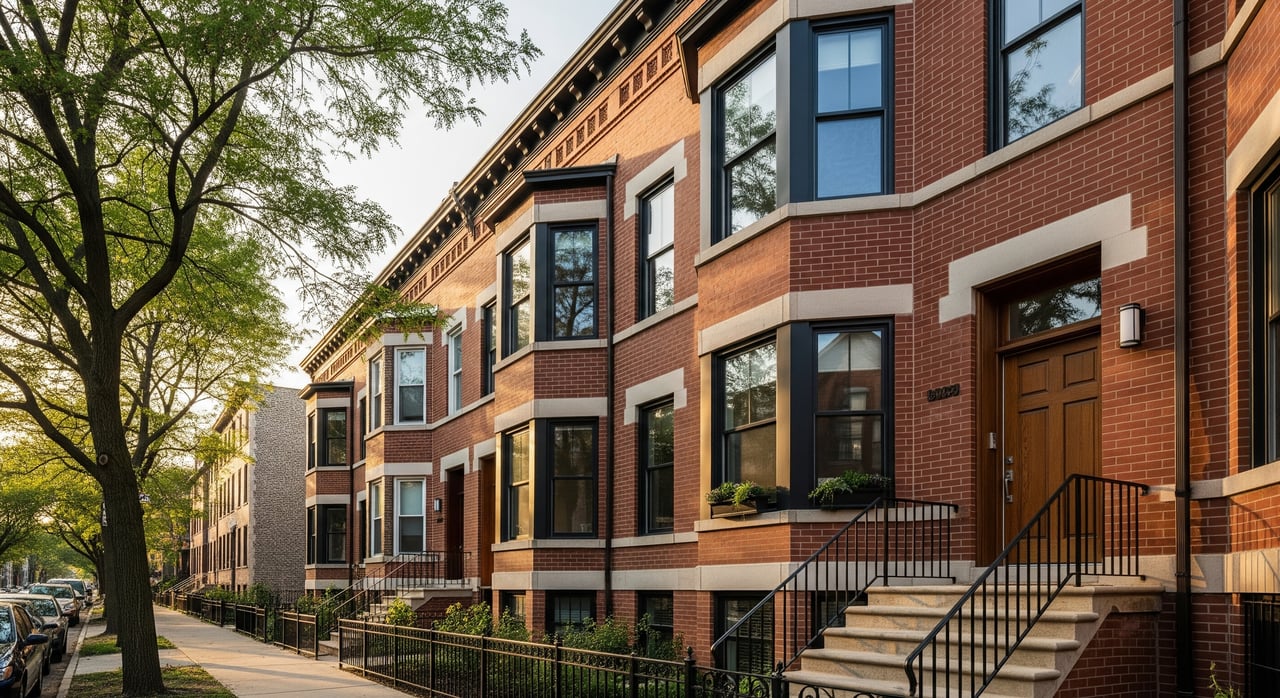
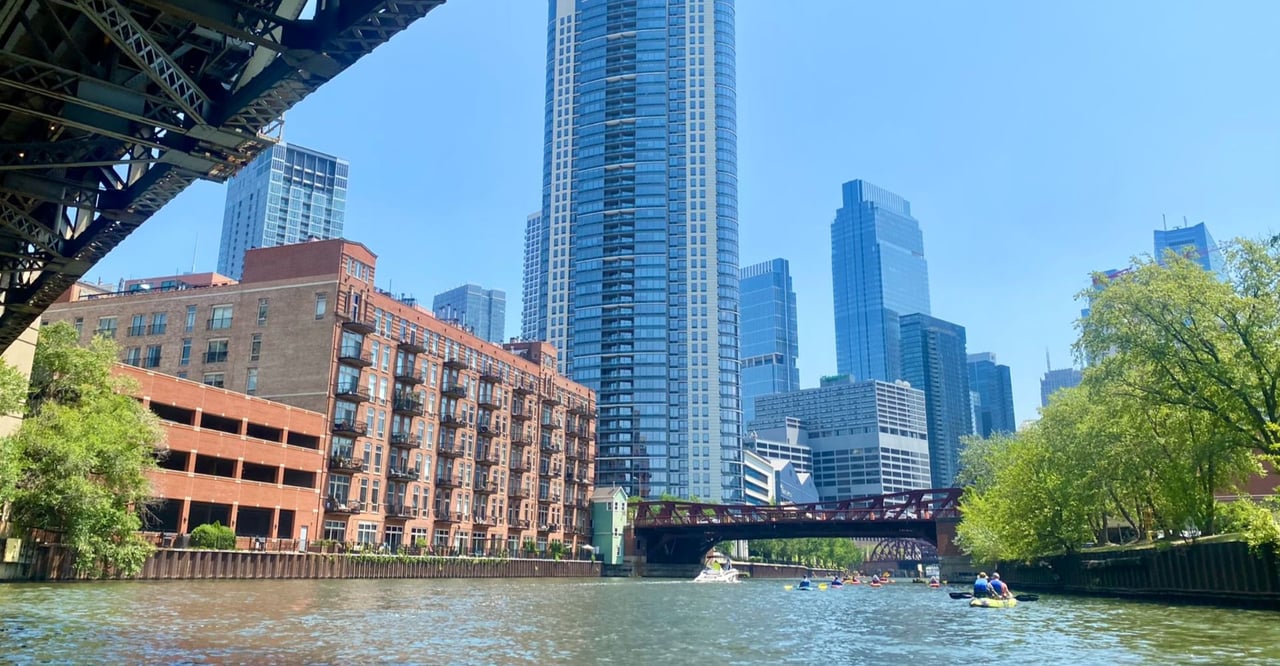
Bucktown sits within Chicago’s West Town area and is close to the Loop, transit, and a dense mix of restaurants and retail. That mix supports strong rental demand from young professionals and small households. In 60622, micro-markets vary block by block, so sales comps and rent levels can shift quickly across short distances. Expect solid occupancy potential paired with higher prices and lower initial cap rates than many outlying neighborhoods.
Owner-occupants often use 2-4 unit buildings to reduce their housing costs by renting the other units. Investors who do not plan to occupy still pursue Bucktown for long-term stability and appreciation potential. In both cases, your success starts with conservative numbers and a clear rehab plan.
Cash flow basics for 60622
Before you tour properties, build a simple pro forma. Use conservative estimates and verify every input with documents from the seller.
- Gross Scheduled Income (GSI): Sum of all monthly rents if fully occupied x 12.
- Vacancy & Credit Loss: Use 5–10 percent in stable, high-demand areas; adjust with local rent data.
- Effective Gross Income (EGI) = GSI – Vacancy & Credit Loss + other income (parking, laundry).
- Operating Expenses: Include Cook County property taxes, insurance, owner-paid utilities, repairs and maintenance, management, landscaping and snow, legal/accounting, and reserves for capital items.
- Net Operating Income (NOI) = EGI – Operating Expenses.
- Cap Rate = NOI / Purchase Price.
- Cash-on-Cash Return = Annual Pre-Tax Cash Flow / Total Cash Invested (down payment + closing costs + initial rehab).
- Debt Service Coverage Ratio (DSCR) = NOI / Annual Debt Service.
Pro forma template you can copy
- Rents per unit: Unit 1 $, Unit 2 $, Unit 3 $, Unit 4 $
- Other income: Parking $/mo, Laundry $/mo
- Gross Scheduled Income (annual): $____
- Vacancy/Credit (5–10%): $(____)
- Effective Gross Income: $____
- Annual Operating Expenses
- Property taxes: $____ (verify via Cook County Assessor records)
- Insurance: $____ (get a landlord policy quote)
- Owner-paid utilities: $____
- Repairs/maintenance: $____ (consider 3–5% of EGI and a separate capital reserve)
- Management: $____ (self-manage or % of EGI)
- Snow/landscaping/legal/accounting/misc.: $____
- Total Operating Expenses: $____
- Net Operating Income (NOI): $____
- Estimated Annual Debt Service: $____
- Annual Pre-Tax Cash Flow: $____
- Total Cash Invested: $____
- Cap Rate: ____%
- Cash-on-Cash Return: ____%
Practical tips: verify the last 12–24 months of utility bills, tax bills, leases, and deposits. In Bucktown’s older buildings, budget for masonry, roofs, porches, and mechanical systems. Keep a separate reserve for capital projects.
Financing options for 1–4 units
Financing terms depend on occupancy and property condition. Lenders will want clear income and expense support and may require reserves.
Owner-occupied loans
Conventional lenders often finance 2–4 unit properties for buyers who live in one unit. Down payment minimums vary by lender. FHA programs also allow 1–4 unit purchases for owner-occupants, and FHA 203(k) can combine purchase and rehab funds into one loan for eligible properties.
Investment property loans
If you will not occupy the property, plan for higher down payments, stronger reserves, and underwriting that focuses on property-level cash flow. Some lenders evaluate DSCR and may use market rents to qualify, subject to appraisal.
Renovation financing options
Beyond FHA 203(k), some conventional renovation products allow rehab funds for 1–4 units. Local banks may offer construction-to-permanent or bridge loans that you can refinance into a long-term mortgage after stabilization.
What lenders focus on
- Occupancy: Owner-occupied terms often differ from investor terms.
- Rental income: Lenders may use actual leases or market rent estimates in qualifying.
- Property condition: Major defects can limit loan eligibility and insurability.
- Reserves: Multi-unit loans often require months of reserves.
- Appraisal: 2–4 unit comparables and income approach can cap loan size.
Rehab paths that fit your plan
Match your scope to your budget, timeline, and target rents. In Chicago, assume permits and inspections will affect schedule and costs.
Light cosmetic rehab
- Scope: Paint, flooring, fixture swaps, kitchen and bath refreshes, minor repairs, curb appeal.
- Permits: Limited if you avoid structural, plumbing, electrical, and HVAC changes. Smoke/CO and egress rules still apply.
- Timeline: Weeks to a couple of months.
- Goal: Reduce downtime between tenants and reach market rent quickly.
Moderate rehab
- Scope: New cabinets and counters, full bath remodels, window replacement, HVAC or boiler/water heater updates, electrical and plumbing upgrades, porch repairs, masonry tuckpointing.
- Permits: Trades permits and inspections required.
- Timeline: Several weeks to multiple months per unit.
- Goal: Address deferred maintenance and move into a higher rent band.
Full gut or reconfiguration
- Scope: Interior demolition, new layouts, full mechanicals, separate metering, structural work.
- Permits: Extensive plan review, architecture/engineering, and possible zoning review if unit count changes.
- Timeline: Many months to a year.
- Goal: Reposition to modern standards or resolve major system issues.
Chicago-specific rehab musts
- Lead-safe work: Most local buildings predate 1978. Renovation that disturbs paint must follow EPA lead-safe rules with certified contractors.
- Asbestos and environmental: Test suspect materials before demo.
- Separate metering: Splitting gas and electric can improve net income, but costs and utility coordination are significant.
- Boilers and steam: Centralized systems are common and can be major capital items.
- Masonry and porches: Plan for tuckpointing, lintel repairs, and routine porch maintenance.
Budget 10–20 percent contingency for surprises and include soft costs like permits, plans, inspections, and temporary housing or tenant coordination. Delays are common, so add schedule contingency.
Permits, code, and landlord rules in Chicago
Chicago requires permits for most structural, plumbing, electrical, HVAC, roofing, and many window projects. Licensed contractors are often required, and city inspections occur at set milestones. If a building sits vacant during rehab, separate registration rules can apply.
Chicago’s Residential Landlord and Tenant Ordinance sets rules on security deposits, notices, disclosures, and habitability. The city also requires rental registration and ongoing compliance. Plan for smoke and CO detector placement, egress standards, and minimum habitability requirements. If you change unit layout or count, additional code and zoning reviews may apply.
For pre-1978 buildings, ensure contractors follow EPA Renovation, Repair and Painting requirements. Build these costs and timelines into your plan from the start.
Step-by-step buying checklist
- Study the micro-market: Pull 6–12 months of 2–4 unit sales in Bucktown and rent comps by unit type near your target blocks.
- Gather documents: Current leases, rent roll, deposit records, 12–24 months of P&L and utility bills.
- Inspect thoroughly: Hire a multi-unit inspector; add sewer scope, lead and asbestos assessments, and HVAC/boiler evaluations.
- Verify taxes and insurance: Check Cook County tax bills and get landlord policy quotes.
- Search city records: Confirm permits, open violations, and complaint history.
- Order title and survey: Confirm legal unit count and boundaries.
- Price the rehab: Get three licensed, local contractor bids with clear scopes.
- Underwrite conservatively: Use realistic vacancy, taxes, and reserves; include capital projects.
- Line up financing: Choose a lender familiar with 2–4 units and, if needed, renovation products.
- Plan the timeline: Sequence permits, inspections, tenant coordination, and contractor schedules.
Risks and how to mitigate them
- Low cap rates: Run conservative numbers and focus on long-term hold and proven demand.
- Deferred maintenance: Use specialist inspections and add a strong contingency.
- Lead and asbestos: Test early and use certified contractors to avoid delays and fines.
- Tenant complications: Review leases, notice status, and payment history before you write the offer.
- Permitting delays: Submit complete plans, hire experienced pros, and build schedule buffer.
Exit strategies and taxes
You can hold long-term as a rental, owner-occupy one unit, sell to another investor, or explore condo conversion with legal guidance. If you sell another property to buy in 60622, a 1031 exchange may be worth discussing with a tax advisor. Track depreciation, understand capital gains based on holding period, and monitor Cook County tax assessments and appeal options.
How we help in 60622
You deserve a calm, numbers-first guide who knows Bucktown’s blocks and Chicago’s rules. With a systems-driven approach, local vendor introductions, and polished deal packaging, you can move from first tour to closing with clarity. From pro forma modeling and lender referrals to contractor bids and permit planning, you get practical support tailored to 2–4 unit acquisitions.
If you are considering a Bucktown 2–4 flat, reach out to Patrick O'Brien to talk strategy, underwriting, and your best rehab path.
FAQs
What vacancy rate should I use for Bucktown 2–4 flats?
- Use a conservative 5–10 percent, then refine with rent comps on your target blocks.
What Chicago permits will I need for typical rehab?
- Electrical, plumbing, HVAC, windows, structural, and roofing work usually require permits and inspections, so plan time and budget accordingly.
Can I use FHA 203(k) to buy and renovate a 2–4 unit?
- Yes, if you will occupy a unit and the property and scope qualify, you can combine purchase and rehab funds in one loan.
How do Cook County taxes affect my cash flow?
- Property taxes are a major expense, so verify current bills and consider reassessment risk when modeling your pro forma.
Should I separate utilities in an older Bucktown building?
- Separating gas and electric can improve net income, but costs and permitting can be significant, so weigh the payback carefully.
What is the difference between cap rate and cash-on-cash?
- Cap rate is NOI divided by price, while cash-on-cash is annual pre-tax cash flow divided by your total cash invested.