
Your Lincoln Square Relocation Guide to Homes & Commutes
January 15, 2026
January 15, 2026
Thinking about a move to Lincoln Square but not sure which home type fits your lifestyle or how your commute will really feel? You’re not alone. This North Side Chicago community offers a wide mix of homes and several ways to get around, which makes the choices exciting and, at times, overwhelming. In this guide, you’ll compare housing options, understand ownership costs, and see how different commute modes play out day to day so you can plan your relocation with confidence. Let’s dive in.
Lincoln Square offers a range of classic Chicago housing types alongside newer builds. Each comes with trade-offs around price, maintenance, flexibility, and location.
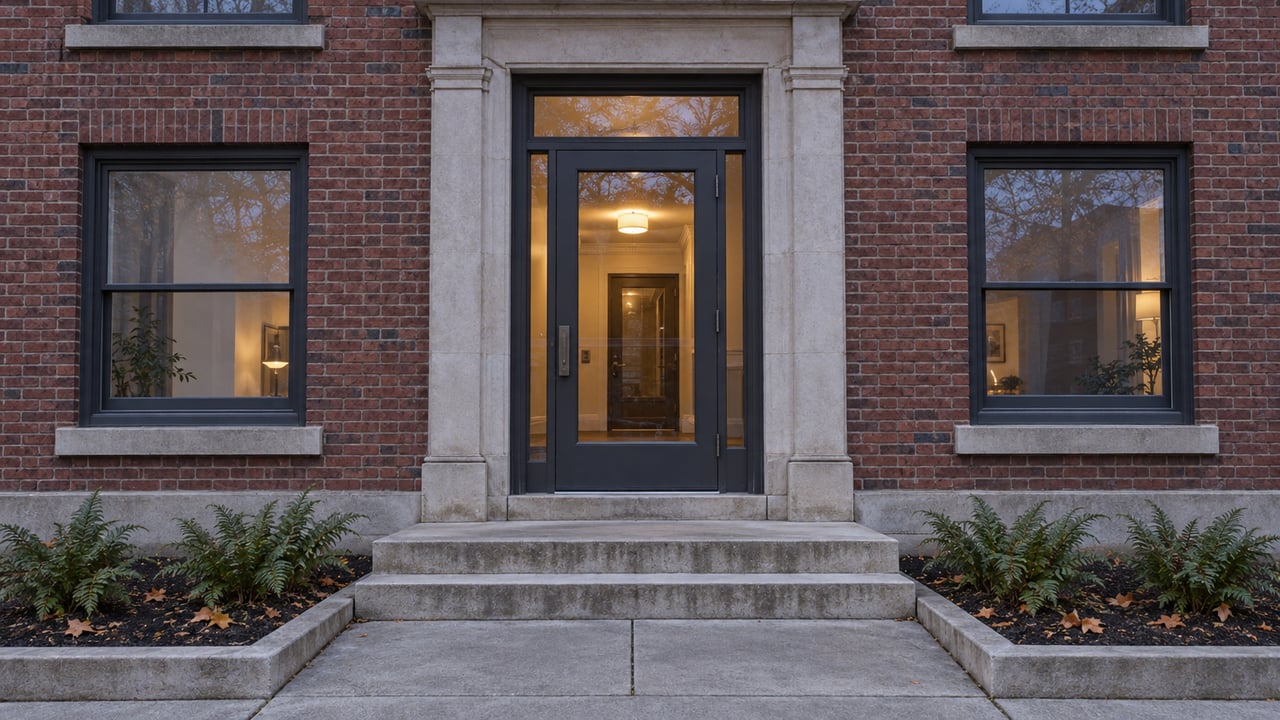
Single-family homes here are often early to mid 20th century builds with period details, plus some newer infill. You’ll get privacy, yard space, and more control over renovations. You’ll also take on full responsibility for exterior maintenance and systems like the roof, HVAC, and foundation. Buyers who want outdoor space and long-term ownership tend to prefer this option.
Classic Chicago two-flats and three-flats are common. Many buyers live in one unit and rent the others. Rental income potential can help with monthly cash flow and mortgage qualification, and cost per unit can be attractive compared with single-family. You’ll wear the landlord hat, manage maintenance, and navigate different mortgage and insurance requirements.
You’ll find vintage conversions and modern low- to mid-rise options along commercial corridors. Associations typically handle exterior upkeep, landscaping, and common areas, which lowers your maintenance burden. Expect monthly fees, rules, and the possibility of special assessments. This is a good option if you want convenience and proximity to shops and transit.
Rental options range from vintage walk-ups to newer purpose-built buildings. Renting offers flexibility and zero repair obligations, which is helpful if you’re testing the neighborhood before buying. You won’t build equity and your monthly cost can shift with the rental market.
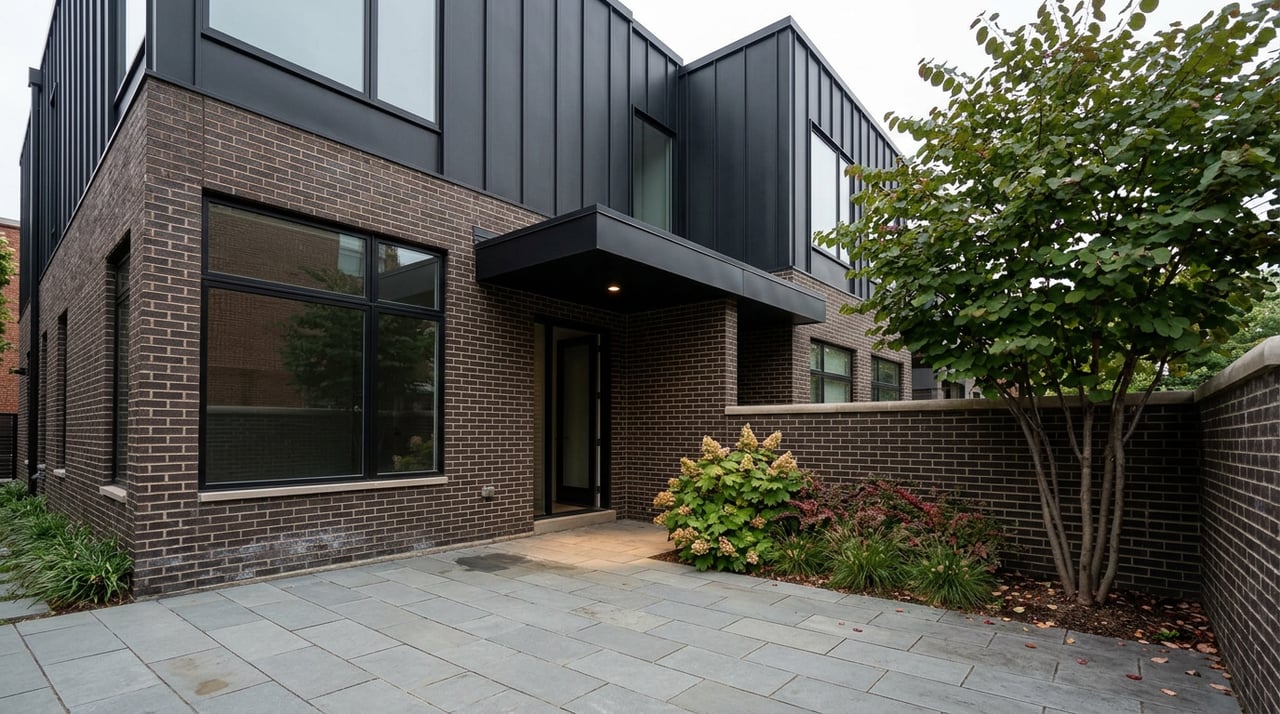
Newer infill townhomes and small developments appear on redeveloped lots near activity corridors. You’ll see modern finishes, energy efficiency, and warranties. These homes often come at a pricing premium. If you want a turnkey home and lower renovation risk, this category can be a strong match.
Many older buildings are masonry with plaster or lathe interiors. It’s common to find older electrical or plumbing, tuckpointing needs, and basements that require proactive water management. Budget for typical Chicago maintenance like roof replacement, drainage improvements, brickwork, and mechanical upgrades.
Understanding ongoing costs and regulations is just as important as the purchase price.
Your tax bill is based on Cook County assessments and local tax rate multipliers. Before you offer, review the specific parcel’s assessment and recent tax bills. Exemptions and assessed values vary by property, so always verify the current figures.
For condos and co-ops, confirm what the monthly fee covers, such as exterior maintenance, snow removal, insurance for common areas, or certain utilities. Ask about reserve funds, recent special assessments, and any planned projects. Strong reserves and clear budgets can help you plan for future costs.
Older roofs or sewer backup risks may require specific insurance endorsements. Multi-unit and condo purchases often involve different underwriting standards and down payment norms. Clarify these details early so they factor into your total cost of ownership.
If you plan to add a unit, build up, or reconfigure space, check Chicago zoning maps and permit history for the parcel. Some properties sit in areas with preservation considerations. Confirm rules before you plan major changes.
Lincoln Square’s location supports several commute modes. Your best option depends on your exact address, schedule, and destination.
The CTA Brown Line is the primary rapid-transit connection on the North Side and offers direct access to the Loop with transfers to other lines. Door-to-door time depends on your distance to the station, wait times, and connections. If train access is a priority, factor a realistic walk and potential transfers into your routine.
Multiple bus routes run through or near Lincoln Square and connect to surrounding community areas. Bus travel times vary more than rail, especially during peak traffic. If your office is not near a Brown Line stop, combining bus plus rail could be the most efficient choice.
Driving times are highly sensitive to the time of day and bottlenecks on major arterials. Plan for variability during rush hours and consider how close your route is to on-ramps. If you receive employer parking benefits, weigh that against transit fare savings when comparing modes.
Compact blocks and commercial strips make biking and e-scooters a viable option for some trips. Infrastructure changes, so review current bike maps if cycling is part of your plan. If you’re considering a condo or apartment, look for secure bike storage.
Street parking rules can vary by block. Residential Permit Parking zones, timed restrictions, and garage availability influence day-to-day convenience. For homes near busy corridors, confirm whether the property includes off-street parking and review local permit requirements.
Your housing choice and commute are connected. Use these quick cues to narrow your search.
Lincoln Square includes older structures and a mix of updated and original systems. Inspections and due diligence protect your budget.
Renovations to kitchens and baths and adding usable finished space often drive strong returns in urban markets. If you’re buying a condo or co-op, review association reserves and rules before budgeting for major projects.
Use this step-by-step list to move from research to a confident decision.
A successful relocation starts with clear information and a plan that fits your life. You want someone who knows the housing mix block by block, can pressure-test your commute options, and can guide you through inspections and due diligence with calm, step-by-step advice. With concierge-level preparation, coordinated vendor support, and strategic marketing resources, you can move forward with confidence whether you are buying, selling, or both.
If you’re weighing housing types, commute choices, and timing in Lincoln Square, let’s talk about a plan tailored to you. Connect with Patrick O'Brien to get a local, data-informed strategy and start your move with clarity.
Stay up to date on the latest real estate trends.







Whether you're preparing to sell, beginning a home search or simply trying to understand your options, let's have a conversation about your goals and the market.

Patrick O'Brien
Office Address
2350 NORTH LINCOLN AVE 3RD FLR
CHICAGO IL 60614