
Understanding Lincoln Park Condo Assessments as a Buyer
January 1, 2026
January 1, 2026
Are you worried about surprise condo fees popping up after you buy in Lincoln Park? You are not alone. Assessments can feel confusing, and special assessments can impact your monthly budget and even your loan. In this guide, you will learn what assessments are, why they happen in Lincoln Park, what to review before you commit, and how to negotiate with confidence. Let’s dive in.
Condo associations collect two main types of charges. Regular assessments are the monthly or quarterly fees that cover building operations like insurance, utilities, landscaping, trash, snow removal, cleaning, elevator maintenance, and management. A portion usually goes into the reserve fund, which is money set aside for future repairs and replacements.
A special assessment is an extra, one-time charge when the association needs funds beyond the regular budget and reserves. These often pay for big projects like roof or façade repairs, elevator replacements, or emergency fixes. Amounts vary widely based on the building’s age, reserves, and project scope.
You might also hear about a resale certificate or unit status letter. This document summarizes the unit’s current balance, regular fees, any unpaid assessments, and whether a special assessment is pending. One more note: a “condo assessment” is different from your property tax assessment. Property taxes are set by local assessors and are separate from HOA assessments.
Common triggers include deferred maintenance, underfunded reserves, or major capital projects like roof replacement, tuckpointing and masonry work, boiler or HVAC replacement, windows, or parking garage repairs. Insurance gaps, higher deductibles, or litigation can also drive special assessments.
Chicago building codes and permit processes can add time and cost to repairs. Parts of Lincoln Park fall under historic-district or landmark oversight, which can increase project complexity and require specific materials or methods. Chicago’s freeze-thaw cycles also accelerate masonry wear on older brick buildings common in the neighborhood.
The size and frequency of special assessments vary. Older buildings with smaller reserves may assess more often, while well-funded associations may avoid or reduce them. Professional management, routine maintenance, and current reserve studies tend to lower the risk.
Ask for the association’s resale packet as early as possible. Your attorney will typically review these in Illinois.
Lenders review a condo project’s financial health. Large or frequent special assessments, low reserves, or litigation can make some loans harder to approve or require extra documentation. If you plan to use FHA or VA financing, the building may need to meet those programs’ project requirements.
Tell your lender early that you are buying a condo. Provide association documents promptly so they can complete any condo questionnaires. Appraisers consider monthly HOA fees and known upcoming special assessments, which can affect value and marketability. Some lenders may require a special assessment to be paid at or before closing, or they may require funds held in escrow.
Regular HOA dues for a primary residence are generally not deductible on federal income taxes. Special assessments used for capital improvements may, in some cases, be added to your cost basis for future gain calculations. If you plan to rent the unit, some fees may be deductible as rental expenses. Always consult a tax professional for your situation.
Build a monthly budget that includes regular assessments and a cushion for special assessments. Ask how to set up payments and consider autopay to avoid late fees.
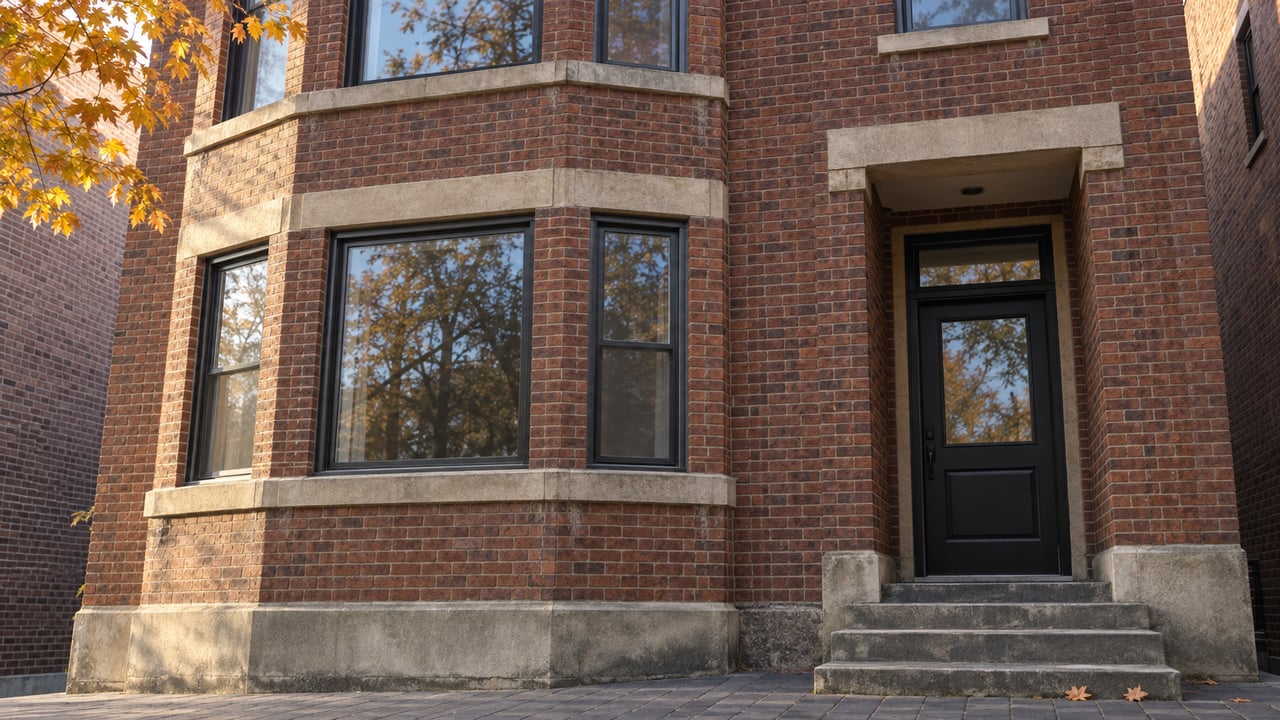
Older masonry walk-ups are common in Lincoln Park and often need tuckpointing, cornice repairs, and façade stabilization. Smaller, self-managed buildings may have lower monthly fees but can be more sensitive to owner delinquencies when big projects arise.
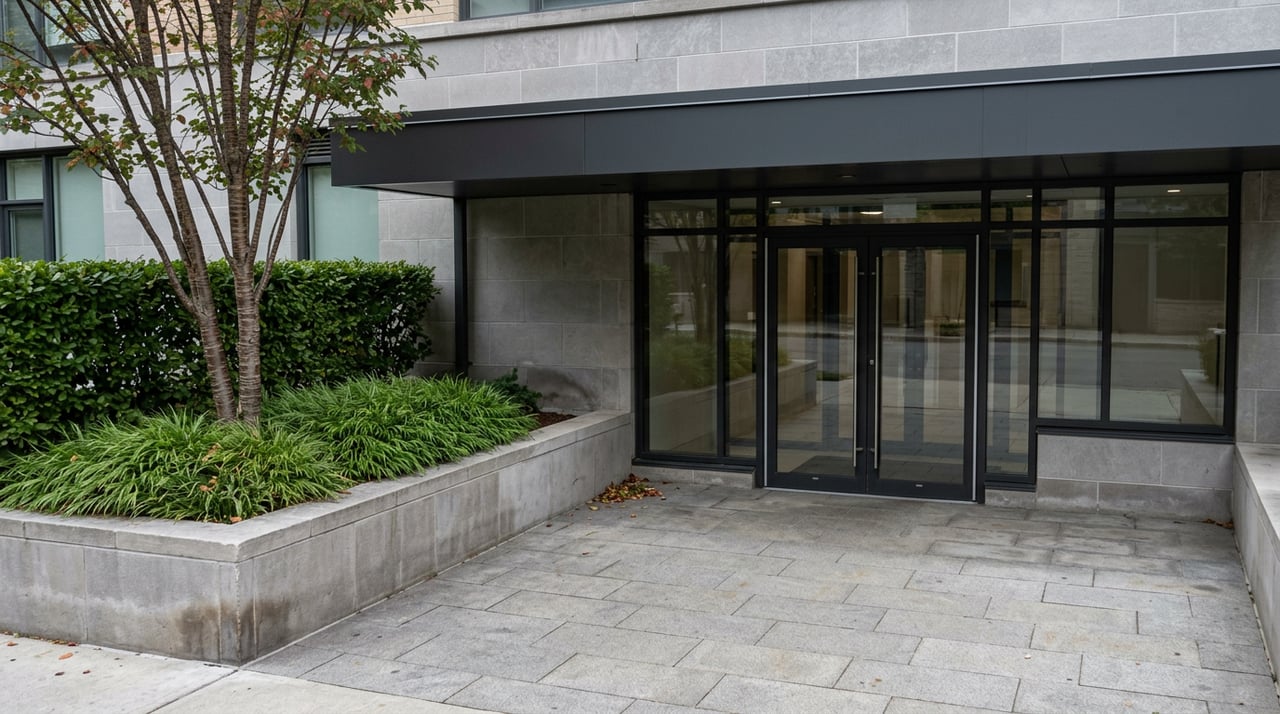
High-amenity buildings with doormen, elevators, pools, and garage parking typically have higher monthly assessments and larger capital systems to maintain. Historic-district and landmark oversight can add design and permitting requirements, and proximity to the lakefront can increase exterior wear.
A clear picture of a building’s finances protects you from surprises. With the right documents, smart questions, and a solid plan, you can move forward with confidence and enjoy everything Lincoln Park living offers. If you want a calm, organized approach and local insight on specific buildings, reach out to Patrick O'Brien.
Stay up to date on the latest real estate trends.



Whether you're preparing to sell, beginning a home search or simply trying to understand your options, let's have a conversation about your goals and the market.
Patrick O'Brien
Office Address
2350 NORTH LINCOLN AVE 3RD FLR
CHICAGO IL 60614