Thinking about selling your Gold Coast condo and wondering what today’s buyers really want? You’re not alone. In this neighborhood, small details and polished presentation can shift both speed and price. In this guide, you’ll get a step-by-step plan tailored to Gold Coast high-rise living, realistic cost ranges, and smart funding options for prep work. Let’s dive in.
What buyers expect now
Gold Coast buyers tend to be professionals, downsizers, second-home shoppers, and investors. Most want turnkey condition, a walkable location, and strong building amenities. They look closely at kitchens and baths, flooring, natural light, in-unit or building laundry, parking options, outdoor space, and views.
They also compare buildings. Assessment levels and what they include matter, as do amenities like a doorman, on-site management, fitness, roof or deck spaces, bike rooms, and storage. A small edge in presentation often wins the day, especially when buyers tour multiple units in the same price band.
Your step-by-step prep plan
Quick wins in week one
- Deep clean everything, including windows, grout, vents, and light fixtures. Fresh air and a spotless space set the tone.
- Declutter and depersonalize. Clear surfaces, remove most personal photos, and store collections. You want buyers to see the space, not your things.
- Repaint in a neutral palette where needed. Warm whites and soft grays read brighter and larger, and they photograph well.
- Refresh hardware and bulbs. Replace worn pulls and install warm LED bulbs with consistent color temperature throughout.
- Fix small issues. Address leaky faucets, loose cabinet hinges, cracked grout, squeaks, and sticky windows.
- Maximize light. Add lamps, use higher lumen bulbs where safe, and open window coverings for showings.
- Elevate the entry. Clean the door, polish hardware, and tidy the corridor area as allowed. First impressions start at the lobby and hall.
Mid-level updates that pay off
- Kitchen refresh. New hardware, a modern faucet, a clean backsplash, and resealed or replaced countertops can transform the space without a full gut.
- Bathroom refresh. Regrout tile, swap dated vanities or faucets, upgrade lighting, and consider glass in place of a shower curtain if feasible.
- Flooring updates. Refinish hardwood and replace worn carpet with neutral carpet or engineered wood where it makes sense.
- Closet organization. Add simple shelves or organizers to show usable storage.
- Outdoor staging. If you have a balcony or terrace, add a compact bistro set and plants, following building rules.
Staging and presentation
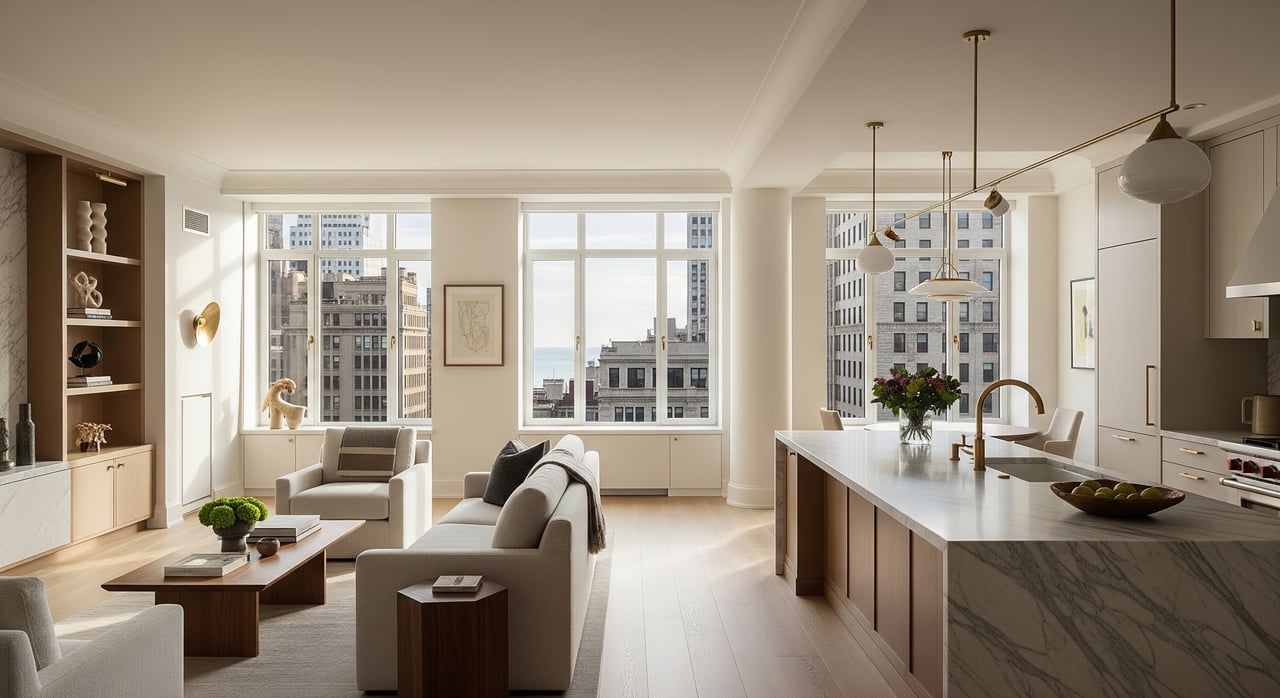
- Professional staging. Partial or full staging helps buyers picture scale and lifestyle, and it elevates photos. It is especially effective for vacant and luxury units.
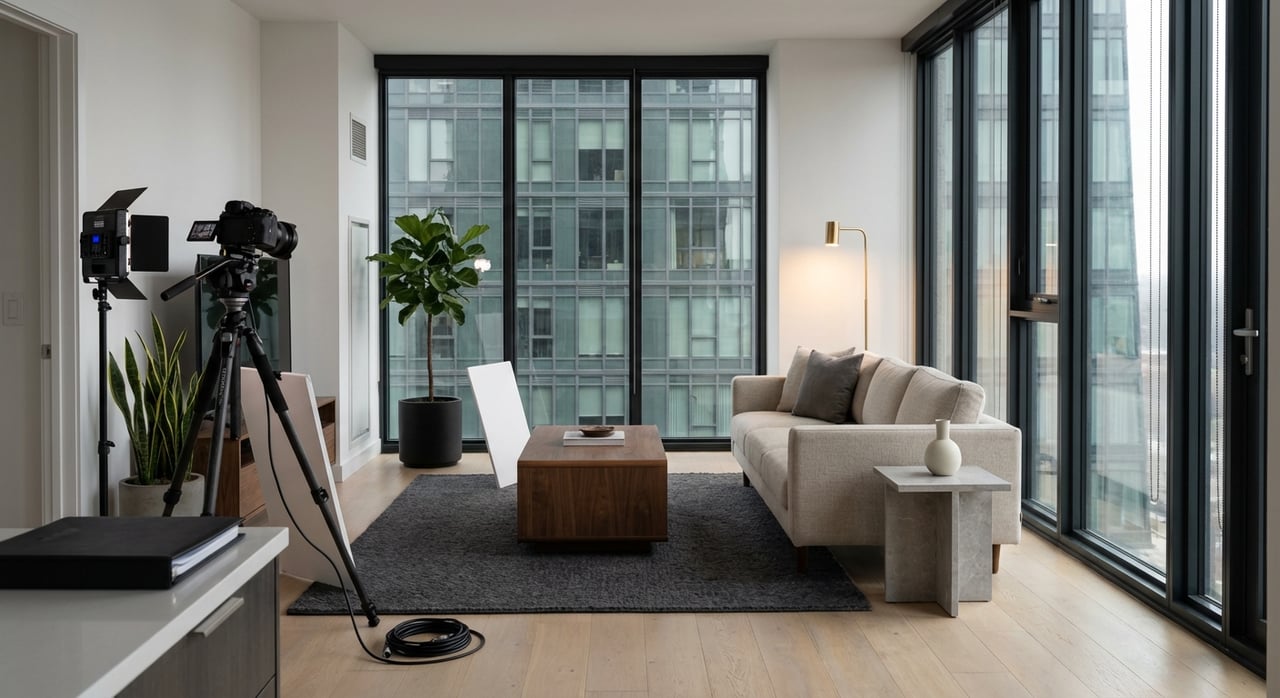
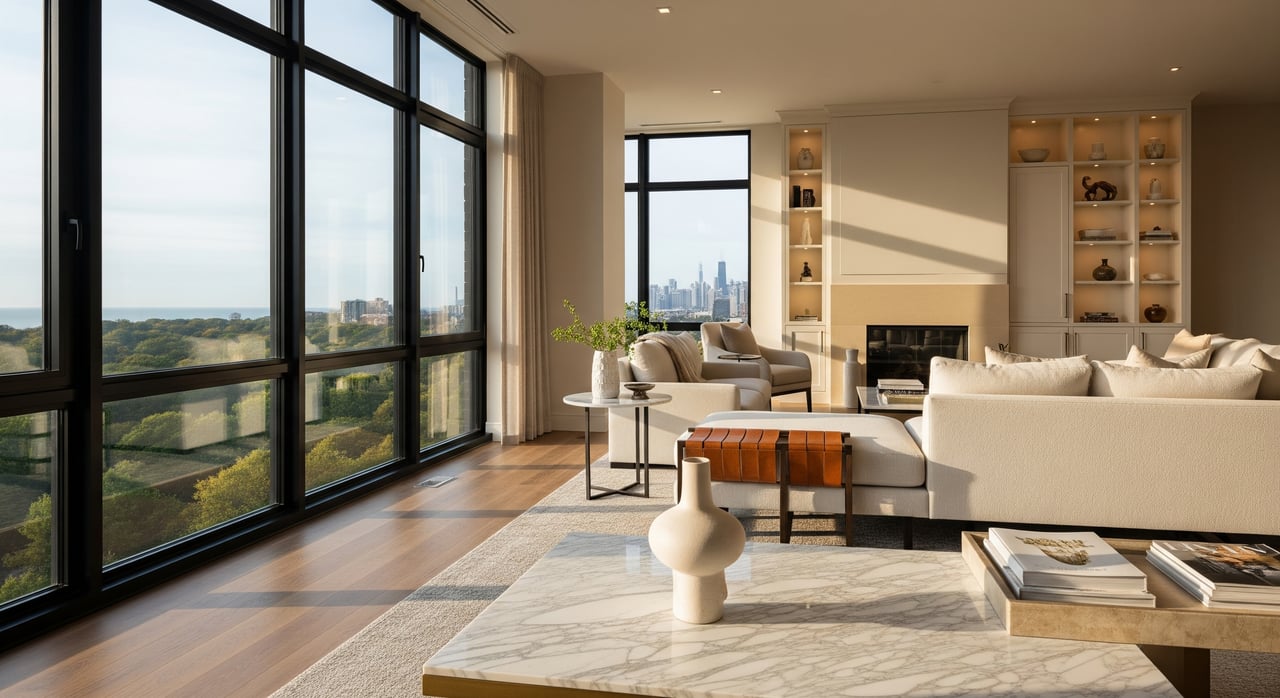
- Photography that sells. High-resolution images with careful composition matter. Twilight images can highlight skyline or lake views.
- Floor plan and room sizes. Provide a labeled plan with accurate dimensions. Buyers weigh layout heavily in decision making.
- 3D tour. A Matterport or similar walkthrough is a strong addition, especially for remote buyers and pre-qualifying showings.
- Listing copy that adds value. Emphasize walkability to the lake, Oak Street, and the Mag Mile, building amenities, parking and storage details, and recent improvements. Be clear about assessments history and inclusions.
Timeline that fits high-rise logistics
- Week 0 to 1: Declutter, deep clean, minor repairs, and collect painter and handyman quotes.
- Week 1 to 3: Complete mid-level updates. Coordinate management rules, vendor insurance, and service elevator bookings.
- Week 3 to 4: Staging, professional photos, floor plan, and 3D tour. Go live once marketing assets are complete.
Most sellers complete prep in 2 to 6 weeks, depending on scope, vendor availability, and building permissions.
HOA, building rules, and paperwork
High-rises run on rules. Most buildings set vendor work hours, require certificates of insurance, and regulate service elevator use. Ask management about approvals for staging or photography in common areas.
Cosmetic projects like paint rarely need board approval, but anything that touches plumbing risers, windows, or structure likely does. For work on electrical, plumbing, gas appliances, or major HVAC, confirm City of Chicago permit needs and use licensed trades.
Start your resale packet early. Buyers will request condo bylaws, budget and financials, reserve studies, recent board minutes, and an estoppel letter with fee and assessment information. Delivery can take days or weeks, and there can be fees. Be transparent about upcoming assessments or litigation to avoid delays later.
Selling a tenant-occupied unit? Review the lease, follow local tenant protection rules, and plan showings around notice requirements.
Budget, ROI, and cost ranges
Below are typical ranges in Chicago. High-rise access, building rules, and scope can affect pricing, so get multiple quotes.
- Professional photography: 150 to 600 dollars
- 3D tour: 150 to 500 dollars
- Painting, interior two coats: 1,200 to 5,000 dollars
- Staging: 1,000 to 3,000 dollars for partial, 2,000 to 6,000 dollars for full
- Minor kitchen refresh: 3,000 to 15,000 dollars
- Bathroom refresh: 1,500 to 8,000 dollars
- Flooring refinish or replacement: 2,000 to 8,000 dollars
What delivers the strongest perceived value for condos:
- First tier: paint, decluttering, lighting upgrades, deep clean, professional photos, and staging.
- Second tier: kitchen and bath refreshes, floor refinishing, and closet organization.
- Third tier: full kitchen remodels or structural changes. These can work in specific cases but are often unnecessary for move-in ready expectations.
Funding options for prep work
Brokerage concierge programs, such as those often offered by large firms, can advance the cost of eligible services like staging, painting, flooring, minor renovations, and marketing. You repay the costs at closing from your sale proceeds. Many programs market no interest or added fees from the program itself, coordinated project management, and timelines tied to listing and closing.
Terms vary by market and brokerage. Ask for the agreement in writing, confirm eligible services, cost caps, and repayment mechanics, and clarify what happens if the home does not sell. Compare the projected sale price uplift and days on market savings to the total cost before you commit.
Alternatives include paying out of pocket, using a personal line of credit or HELOC, short-term bridge financing, contractor payment plans, or negotiating buyer credits later. Upfront improvements typically attract more buyers and can protect your price, so weigh credits carefully.
Pros of concierge-style funding include no upfront cash, professional coordination, and potential for higher offers and faster sales. Cons include repayment at closing and the risk that not all improvements return dollar for dollar. Build a simple break-even and review local comps to decide.
First five things to do this week
- Book a deep clean and start decluttering closets, cabinets, and surfaces.
- Walk your unit and list every minor repair to complete in one visit.
- Get two to three quotes for paint and small updates like hardware and lighting.
- Contact your building management about vendor rules, COI, and elevator access.
- Schedule professional photos, a floor plan, and a 3D tour for the week you finish staging.
What to ask your agent
- Which updates will likely raise my price or cut days on market in this building and tier?
- What local comps support those upgrades and the target list price?
- How long does management need to produce resale documents, and what do they cost?
- Which contractors know this building’s rules and can meet our timeline?
- What are the specifics of any concierge-style funding you offer, and how is repayment handled?
- How should we position assessments, fees, and what is included to reduce buyer friction?
Listing details buyers want upfront
- What HOA fees include, such as heat, water, internet, or cable, and what reserves look like.
- Any upcoming assessments or known litigation.
- Parking and storage terms, including deeded, leased, or valet options.
- Pet policy details.
- Updates to major building systems such as elevators, roof, boilers, or windows.
- Rental restrictions that matter for investors.
- Permitted renovations in your unit’s history and any available documentation.
- Flexibility on close date and any potential concessions.
Ready to list with confidence
Gold Coast buyers have choices, so a clean, bright, and well-documented listing is your advantage. Focus on the quick wins, invest in the right mid-level updates, and present the building story with clarity. With strong staging, photos, a floor plan, and a 3D tour, you can draw more attention and more serious offers.
If you want a hands-on partner to plan, fund, and manage prep work while delivering media-grade marketing, reach out to Patrick O'Brien. Let’s connect and start with a free home valuation.
FAQs
How long does it take to prepare a Gold Coast condo?
- Most sellers complete prep in 2 to 6 weeks based on scope, vendor schedules, and high-rise access rules.
Which updates add the most value for Gold Coast buyers?
- Paint, decluttering, lighting upgrades, professional photos, staging, and targeted kitchen or bath refreshes typically provide the best return.
Do I need condo board approval for paint or staging?
- Cosmetic work like paint and staging usually does not require approval, but confirm building rules for vendor access, work hours, and common-area photography.
What should I disclose about HOA fees and assessments?
- Be transparent about monthly fees, what they include, reserves, and any upcoming assessments or litigation, and order resale documents early.
How does a concierge-style funding program work?
- Eligible prep costs are advanced and repaid at closing from sale proceeds, but terms vary, so get written details and compare the projected uplift to the cost.
How do I handle a tenant-occupied unit during sale?
- Review the lease, follow local tenant protections, coordinate showings with proper notice, and communicate timelines clearly with the tenant.