Trying to decide between a condo, townhome, or house in Lincoln Park? You are not alone. The neighborhood offers everything from lakefront high-rises to classic rowhouses and luxury single-family homes, and each option changes your daily life and monthly costs in a real way. In this guide, you will get a clear, side-by-side look at lifestyle, ownership costs, financing considerations, and resale dynamics, plus a practical tour checklist and sample monthly scenarios. Let’s dive in.
Lincoln Park at a glance
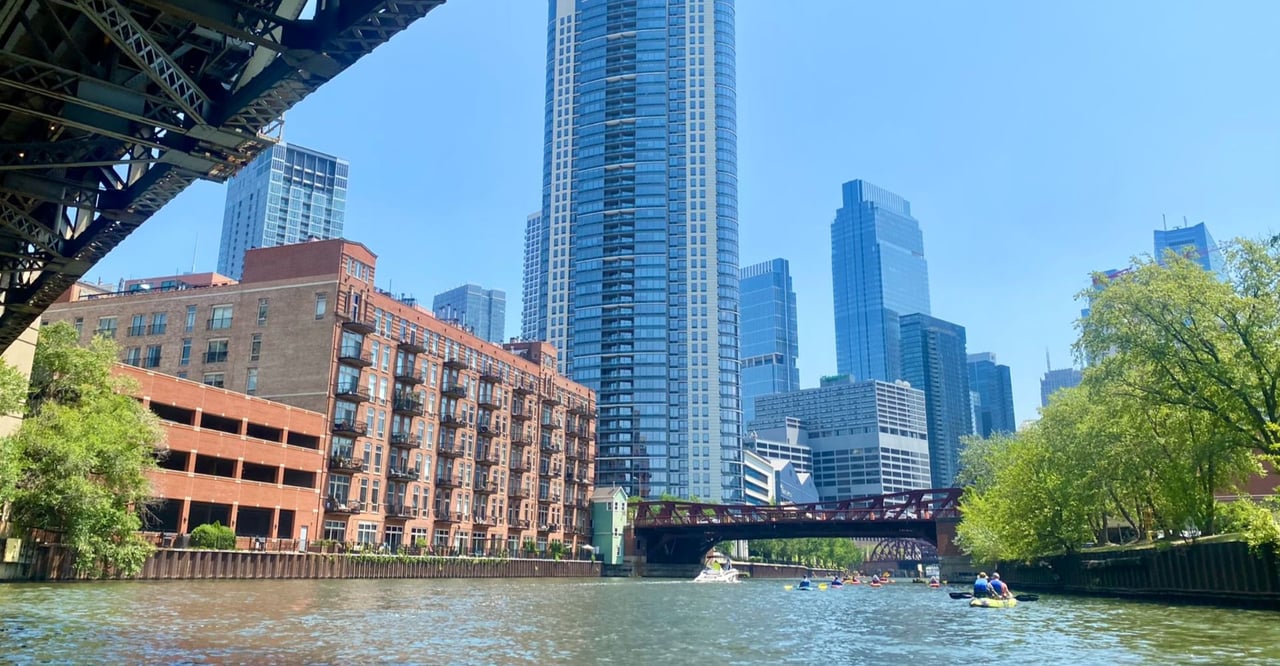
Lincoln Park stretches from Diversey on the north to North Avenue on the south, the Chicago River on the west, and Lake Michigan on the east. It blends historic streets, boutique retail, and quick lakefront access with an easy commute across the North Side and downtown. The park itself, with its zoo and gardens, is a major draw for many buyers. You can read more about the area’s boundaries and history in the neighborhood overview on Wikipedia’s page for Lincoln Park, Chicago.
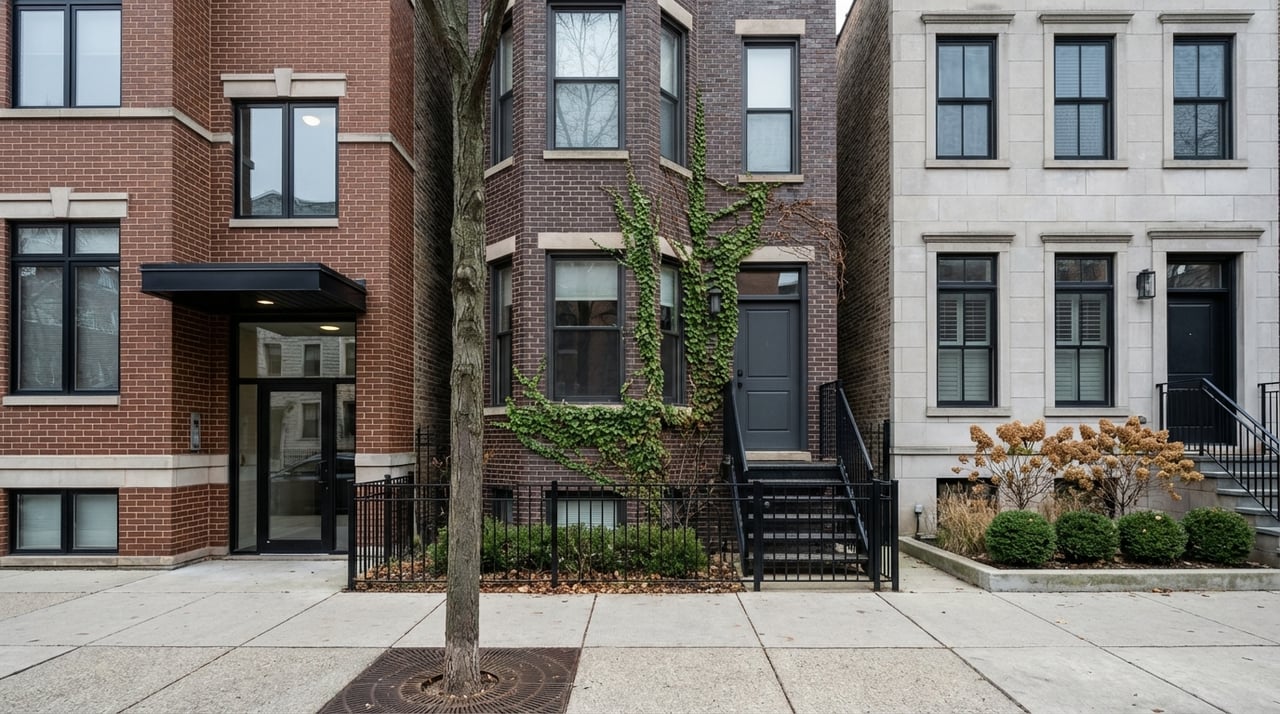
Housing here ranges from high-rise condos and vintage walk-ups to attached townhomes and a limited number of fee-simple single-family homes. That scarcity matters. Local research shows single-family homes in the broader Lake View/Lincoln Park submarket trade at a significant premium compared with the neighborhood aggregate, underscoring the land value component that drives prices for houses on select blocks. See DePaul University’s Cook County HPI release for context on single-family pricing in mid-2025 (DePaul IHS).
Decide by lifestyle
Choosing the right property type starts with how you want to live day to day. Use this quick rubric to align your priorities with the best fit.
Choose a condo if
- You want low exterior maintenance. Building staff or the association typically handle snow removal, landscaping, exterior repairs, corridors, elevators, and many common systems.
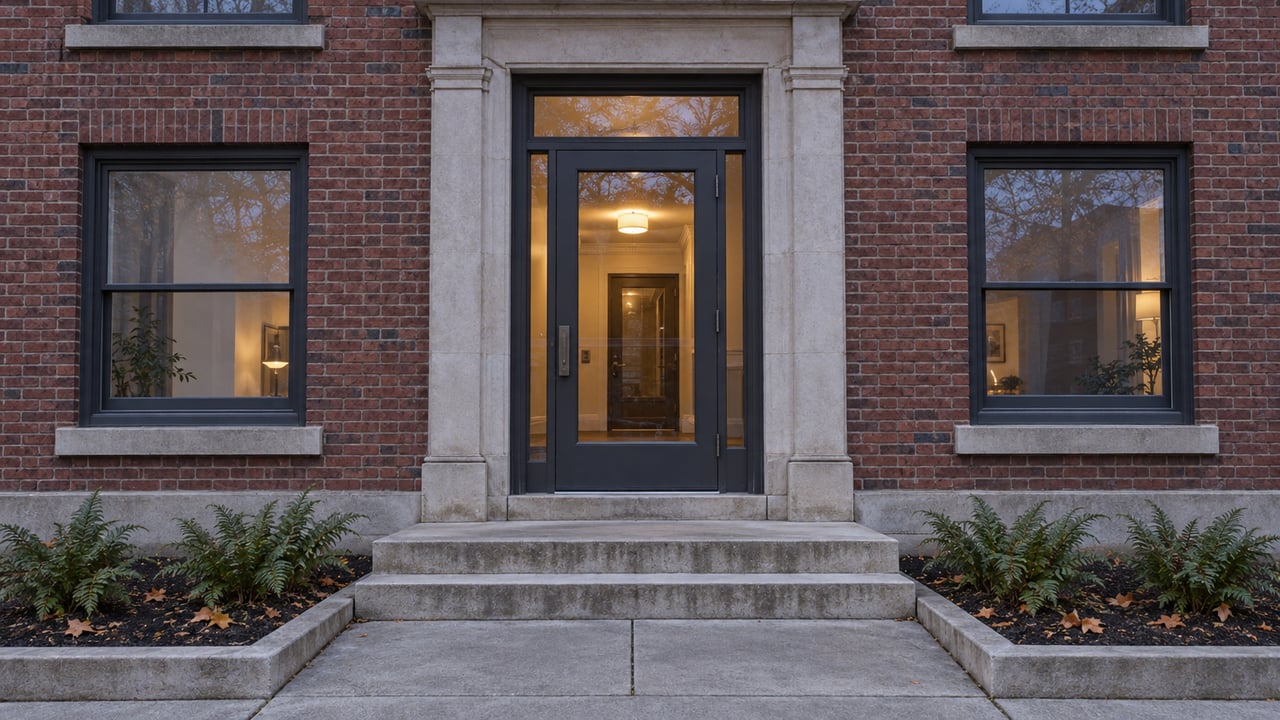
- You value walkability and in-building amenities. Many Lincoln Park condo buildings offer a doorman, gym, or roof deck near retail and transit.
- You prefer a lower entry price than most fee-simple houses in the neighborhood. Condo prices vary widely by building, unit size, and location.
Choose a townhome if
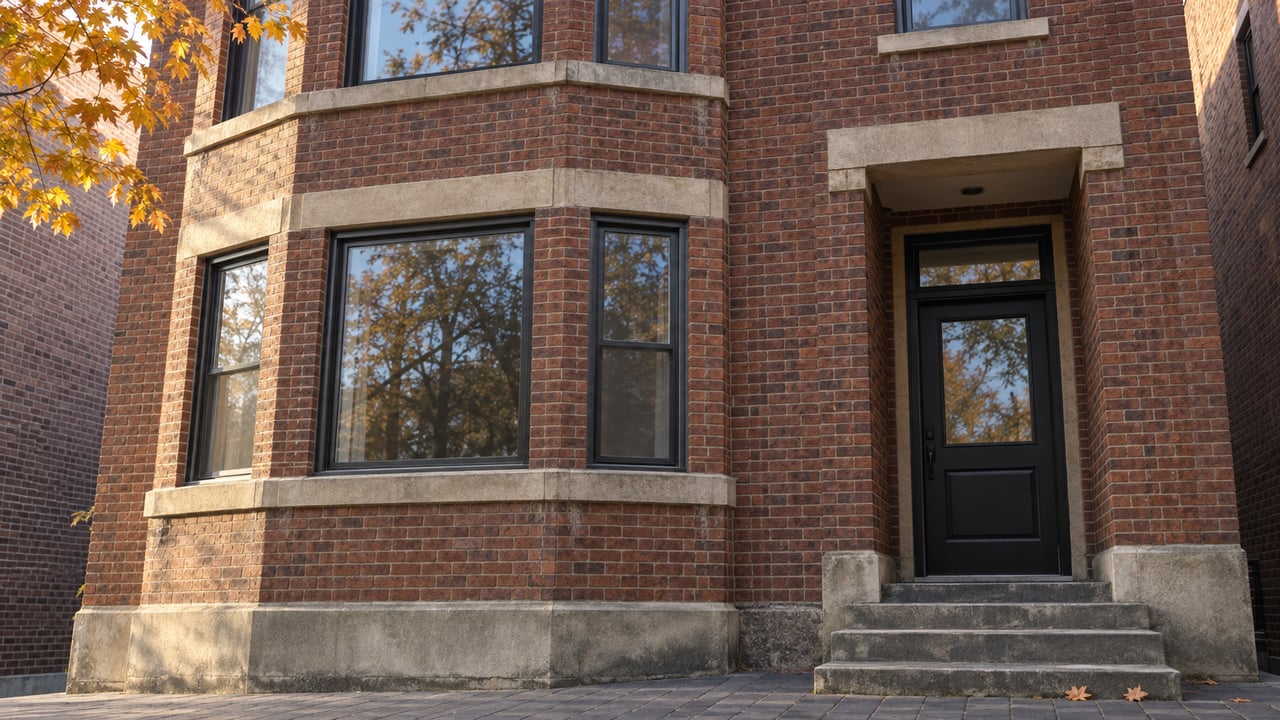
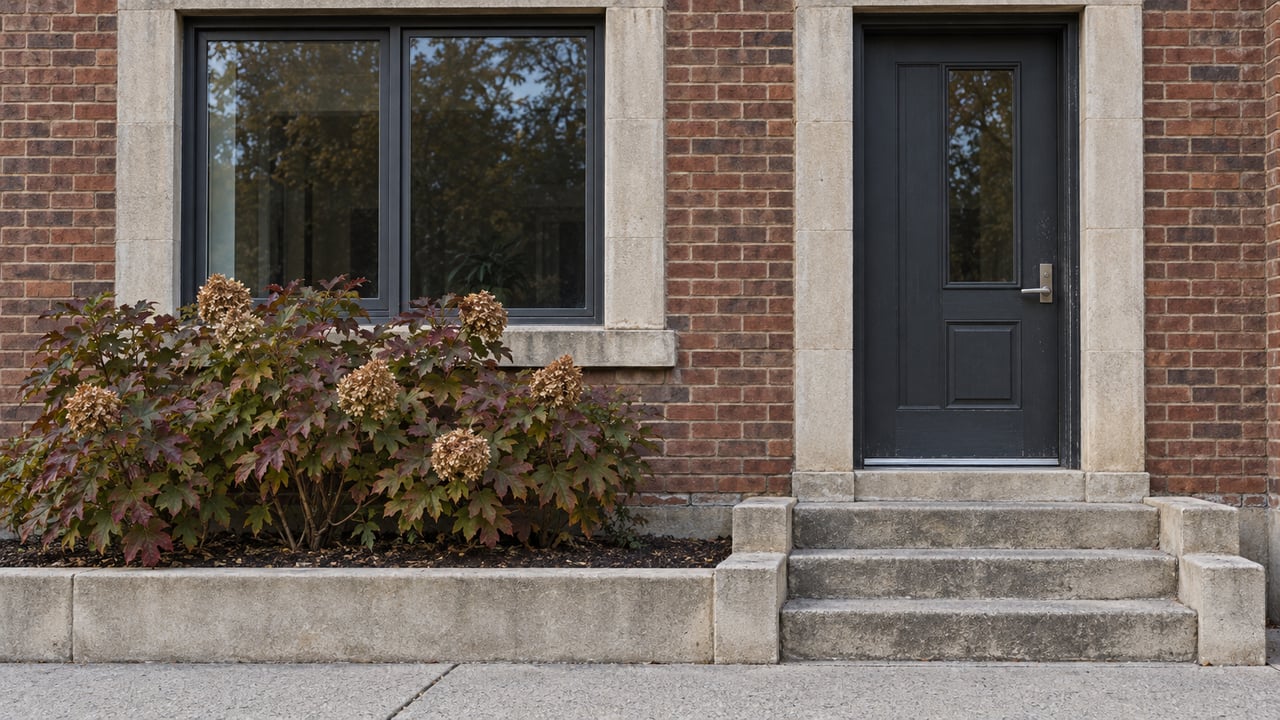
- You want a private entrance and multi-level living with a house-like feel. Some plans include a small yard, terrace, or attached garage.
- You like a balance of privacy and manageable upkeep. Some townhomes are fee-simple, while others are condominiumized with limited common elements. Confirm the legal structure in the documents.
- You are comfortable with modest HOA rules and possible small assessments if the community shares exterior responsibilities.
Choose a single-family house if
- You want maximum privacy, control, and outdoor space. Owning the lot often means a yard and garage, plus full say over your improvements.
- You are prepared for higher maintenance responsibility. Roofs, façades, foundations, and systems are yours to manage.
- You see long-term value in land scarcity. In Lincoln Park, limited supply supports strong demand for well-located homes over time (DePaul IHS).
What each type costs to own
Ownership cost is not just your mortgage. HOA assessments, taxes, insurance, maintenance, and financing rules can change your monthly carry and long-term budget.
HOA assessments and what they cover
- Typical condo and some townhome associations cover common insurance, exterior maintenance, landscaping, snow, water or heat in some buildings, staffing, amenities, and reserves. See what associations commonly include in their budgets at this overview by a large property management firm (FS Residential).
- Fees vary widely. Smaller walk-ups can be modest, while amenity-rich buildings can be several hundred dollars or more each month. Recent reporting also notes pressure on HOA budgets from inflation and insurance costs, so expect dues to be an important line item going forward.
- Review the budget, reserve study, and meeting minutes before you offer. Illinois law requires associations to budget for reasonable reserves and gives owners rights to inspect certain records (Illinois Condo Act).
Property taxes in Cook County
- Property taxes include multiple taxing bodies and have risen in recent cycles, though impacts vary by neighborhood and reassessment timing. Local coverage recently highlighted countywide increases that are meaningful for budgeting (Axios Chicago).
- Check the parcel’s current tax bill and any exemptions in place. Homeowner, senior, disabled, and other exemptions can reduce your bill for a primary residence. Guidance and application info are available from the Cook County Assessor.
Insurance and maintenance
- Condo owners typically carry an HO-6 policy for interior finishes, personal property, liability, and a loss-assessment endorsement. Single-family and many fee-simple townhome owners carry an HO-3 policy that covers the full structure, personal property, and liability. Learn the differences here (HO-6 vs HO-3 basics).
- Budget for maintenance. A common planning rule is to set aside a percent or more of a home’s value each year for upkeep, with higher allowances for older or larger properties. Condo owners may have fewer direct exterior costs but should plan for special assessment risk if reserves are thin.
Financing and condo project approval
- Lenders often review a condo project’s health, including owner-occupancy, delinquency on assessments, reserves, litigation, and commercial space. Buildings that do not meet conventional or agency guidelines can be labeled non-warrantable, which narrows financing options and can affect resale liquidity. A quick primer on what lenders look for is here (Condo project checklist).
- FHA and VA buyers should confirm the building’s approval status early. Some projects require full approval, while others allow single-unit approvals, which can add time and risk to closing. See FHA guidance on condo approvals and spot approvals (FHA condo guidance).
Quick comparison
Use this snapshot to line up tradeoffs before you tour.
| Feature |
Condo |
Townhome |
Single-family |
| Space & privacy |
Lower to moderate; depends on building |
Moderate; private entry and multi-level |
Highest; full control of lot |
| Maintenance |
HOA handles exterior and common areas |
Mixed; some exterior via HOA, some owner |
Owner handles all systems and exterior |
| Monthly extras |
HOA dues vary; small to high depending on amenities (FS Residential) |
Often lower HOA or none if fee-simple |
No HOA, but higher insurance and maintenance |
| Parking |
May be deeded or leased; street permit rules apply |
Often attached garage or pad |
Often garage or pad |
| Outdoor space |
Limited; balcony or shared roof deck common |
Small yard, terrace, or roof possible |
Yard and patio more common |
| Financing notes |
Project approval matters; non-warrantable risk |
Easier if fee-simple; confirm legal form |
Conventional financing, standard property underwriting |
| Resale signals |
Price sensitivity varies by building and dues |
Appeals to buyers wanting house feel |
Scarcity supports premium pricing over time (DePaul IHS) |
Sample monthly scenarios
Below are illustrative examples to help you compare. Use your lender’s mortgage quote and the property’s actual taxes and HOA for precision.
Example A — Condo at $650,000 with HOA of $450 per month:
- Property tax at a 2.0% assumption: about $13,000 per year, roughly $1,083 per month.
- HOA: $450 per month.
- Condo insurance (HO-6): varies by coverage and building risk.
- Maintenance: lighter on exterior items, but plan for special assessment risk. See what HOAs typically include in dues (FS Residential).
Example B — Fee-simple townhome at $950,000 with a small HOA of $150 per month:
- Property tax at 2.0%: about $19,000 per year, roughly $1,583 per month.
- HOA: $150 per month if present.
- Homeowners insurance (HO-3): typically higher than HO-6 for similar coverage.
- Maintenance: plan a steady annual budget for systems, façade, and seasonal care.
Example C — Single-family home at $1,700,000 with no HOA:
- Property tax at 2.0%: about $34,000 per year, roughly $2,833 per month.
- Insurance and maintenance: budget more for full structure upkeep, exterior, and grounds.
These examples are for planning only. Always verify the current tax bill, exemptions, HOA budget and reserves, and insurance quotes.
On-tour checklist
Bring this list to your showings and document review so you can compare properties apples to apples.
Documents to request
- Most recent audited financials, current operating budget, reserve study, meeting minutes that mention upcoming projects, and the association’s master insurance declaration page. Owner rights to inspect certain records are defined in the Illinois Condominium Property Act.
Questions for the HOA or property manager
- Are any special assessments pending or recently approved? If yes, ask for board minutes and vendor contracts.
- What is the current reserve balance and when was the last reserve study performed? If none, plan for higher risk of future assessments. Guidance on reserve planning is here (CAI Illinois).
- What percent of units are owner-occupied versus leased? High investor concentration can limit conventional financing in some buildings (Condo project checklist).
- Is there any open or threatened litigation involving the association? Litigation can complicate financing.
Condition and coverage
- How old are major systems like the roof, HVAC, hot water heaters, and elevator? When were they last serviced?
- Any history of water intrusion or insurance claims in the building or unit? Ask for repair logs and documentation.
- What does the master policy cover and what must your HO-6 cover? Review coverage types before binding a policy (HO-6 vs HO-3 basics).
Logistics and lifestyle
- Parking: Is a space included, assigned, or paid separately? If you rely on street parking, confirm local permit requirements for the block (Residential permit FAQ).
- Daily life: Check commute times, transit access, and proximity to parks and services you use often.
- Space planning: If you work from home, confirm broadband options and a quiet area for an office.
Financing and closing risk
- If you will use FHA or VA, is the building approved or eligible for a single-unit approval? Review timelines before you write the offer (FHA condo guidance).
- If conventional, has your lender reviewed the condo questionnaire for owner-occupancy, delinquencies, reserves, and litigation? (Condo project checklist).
Resale and long-term value
Resale strength in Lincoln Park tends to track scarcity and block-level desirability. Because fee-simple houses are limited, they often capture more long-term land value but require higher entry costs and more maintenance. Condos can be more sensitive to interest rates and building-level supply, which means pricing can vary widely by address and amenity set. Townhomes often split the difference, attracting buyers who want a house feel without a full single-family footprint, which can support strong demand in well-managed communities.
No matter the type, your resale outcome will reflect condition, location, HOA health where applicable, and your marketing strategy. A strong listing preparation plan and broad exposure make a meaningful difference at the finish line.
Next steps
- Clarify your must-haves across space, parking, outdoor access, and maintenance appetite. Use the comparison table and scenarios above as a starting point.
- Call your lender early to discuss condo project approval and your financing plan, especially if you are using FHA or VA (FHA condo guidance). Ask about non-warrantable risk and timing for questionnaires (Condo project checklist).
- When you find a match, review the HOA’s budget, reserves, and minutes closely, verify the current tax bill and exemptions with the Cook County Assessor, and get insurance quotes that reflect the true coverage needs of the building or home.
If you want a calm, numbers-forward approach to comparing Lincoln Park options, reach out. From HOA document reviews to lender coordination and premium listing prep, you will get a clear plan that fits your goals. Connect with Patrick O’Brien to talk through your next move.
FAQs
What should I budget for HOA dues in Lincoln Park condos?
- Dues vary widely by building size, staffing, and amenities. Many associations land in the several-hundred-dollars-per-month range, but amenity-rich high-rises can be higher. Always review the budget, reserves, and included utilities before you offer (FS Residential).
How do Cook County property taxes affect my monthly payment?
- Property taxes can be a large part of your monthly carry and have risen in recent cycles. Confirm the current bill on the subject property and check for exemptions you may qualify for through the Cook County Assessor and review local trends highlighted by recent coverage (Axios Chicago).
What is the difference between HO-6 and HO-3 insurance?
- HO-6 is typically used for condos and covers the interior, personal property, liability, and often a loss-assessment endorsement. HO-3 is used for single-family homes and usually covers the full structure plus personal property and liability (HO-6 vs HO-3 basics).
Why are single-family homes in Lincoln Park more expensive?
- Scarcity and land value drive pricing. There are fewer fee-simple houses compared with condos and townhomes, and research shows a clear premium for single-family homes in the area over time (DePaul IHS).
How can condo financing affect resale?
- If a building has low reserves, high delinquencies, or active litigation, some loans may not be available. That reduces the buyer pool and can influence pricing and time to sell. Confirm project health with your lender early (Condo project checklist).
What should I check about parking before I buy?
- Verify whether a space is included, assigned, or available for a fee, and confirm local street permit requirements if you will rely on street parking. Start with the city’s residential permit guidance for neighborhood rules (Residential permit FAQ).