How To Choose Between Bucktown New and Vintage Homes
April 2, 2026
April 2, 2026
Trying to choose between new construction and a vintage home in Bucktown? You are not alone. In 60622, buyers often find themselves deciding between modern layouts and newer systems on one side, and classic Chicago character on the other. The good news is that both options can work well, depending on how you want to live, how hands-on you want to be, and how quickly you need to move. Let’s break it down.
Bucktown has a long architectural story, and that matters when you start touring homes. The Encyclopedia of Chicago describes Bucktown as a historic neighborhood with deep roots and a housing base shaped by earlier eras, even as newer infill development has expanded over time. A neighborhood housing-data map cited there estimates the average 60622 home was built in 1964.
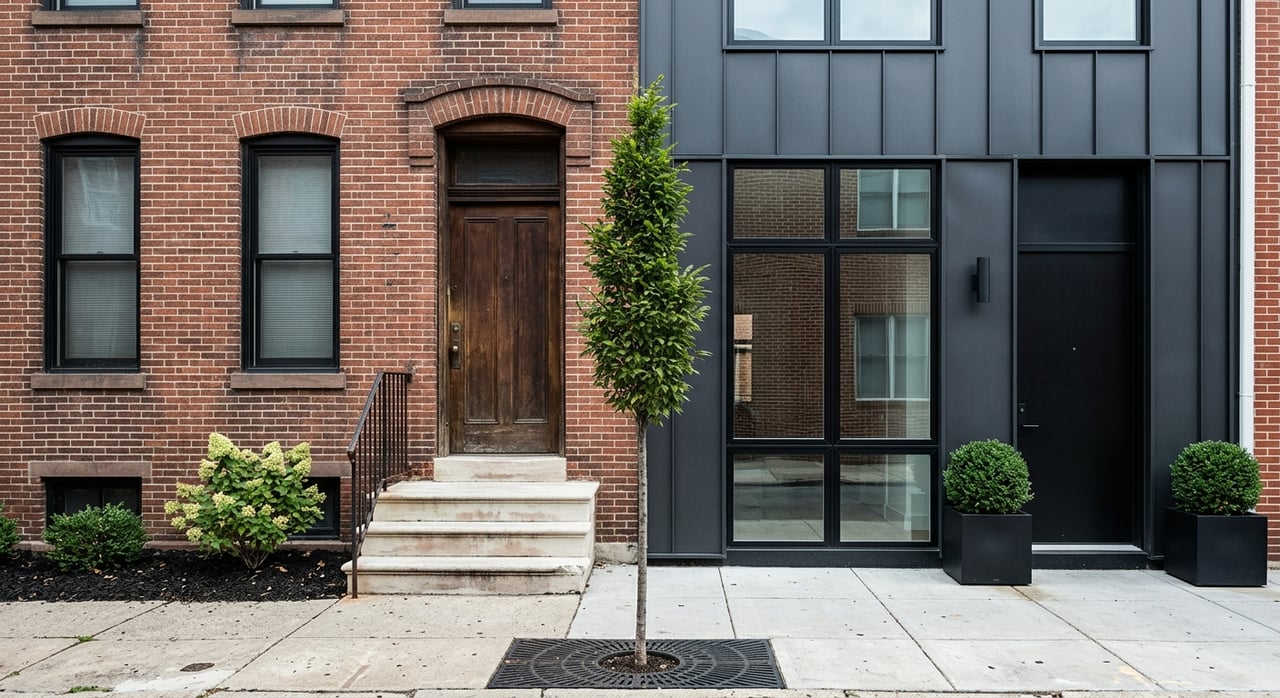
That mix helps explain why your search may feel so varied. In one afternoon, you might tour a sleek new duplex with a rooftop deck and then a vintage home with stained glass, millwork, and separate living spaces. In a market like this, the right choice is less about which style is “better” and more about which one fits your goals.
The broader 60622 market remains active and high value. Census Reporter shows 54,609 residents, 28,216 housing units, a median owner-occupied home value of $638,100, and a median household income of $136,277. Realtor.com’s 60622 housing snapshot shows a median listing price of $650,000, with 177 active listings and a 21-day median days on market as of March 2026.
Within that ZIP code, Bucktown itself is priced even higher. The same market snapshot shows Bucktown at a median home price of $850,000, with 32 homes for sale and a 20-day median days on market. While different platforms track slightly different metrics, the takeaway is clear: if you are buying in Bucktown, you are shopping in a competitive, high-six-figure market where clarity matters.
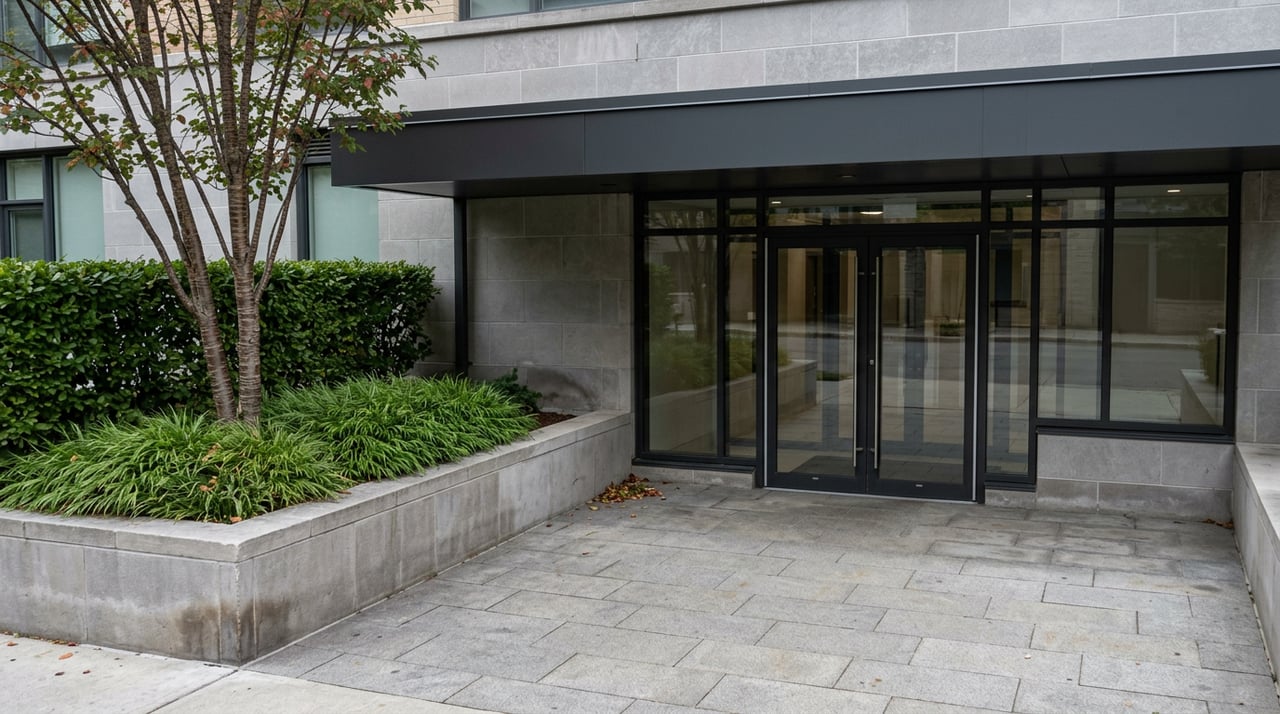
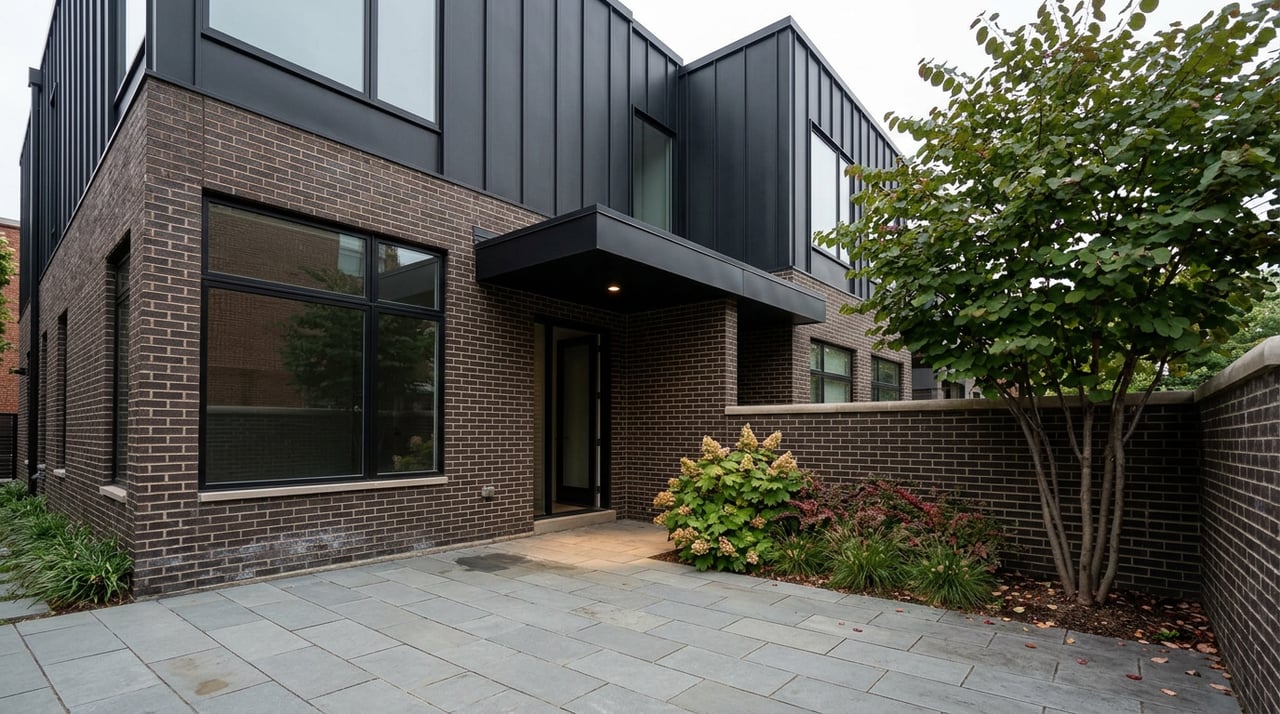
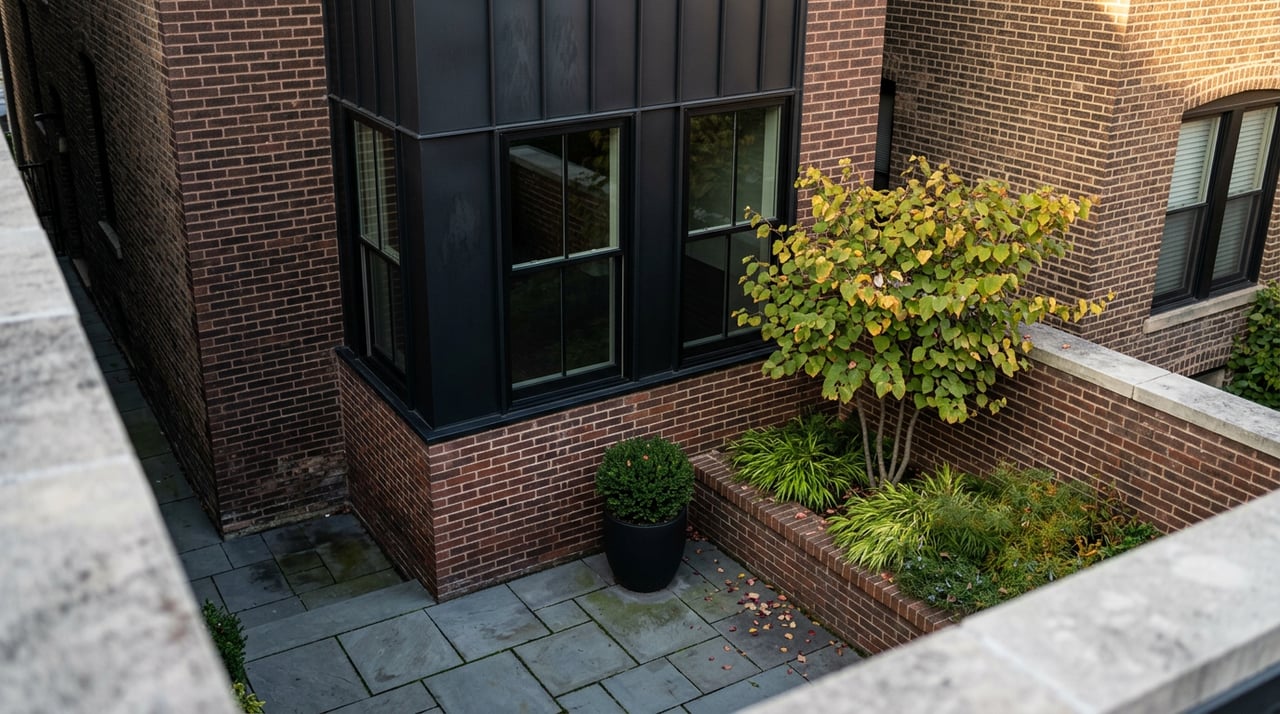
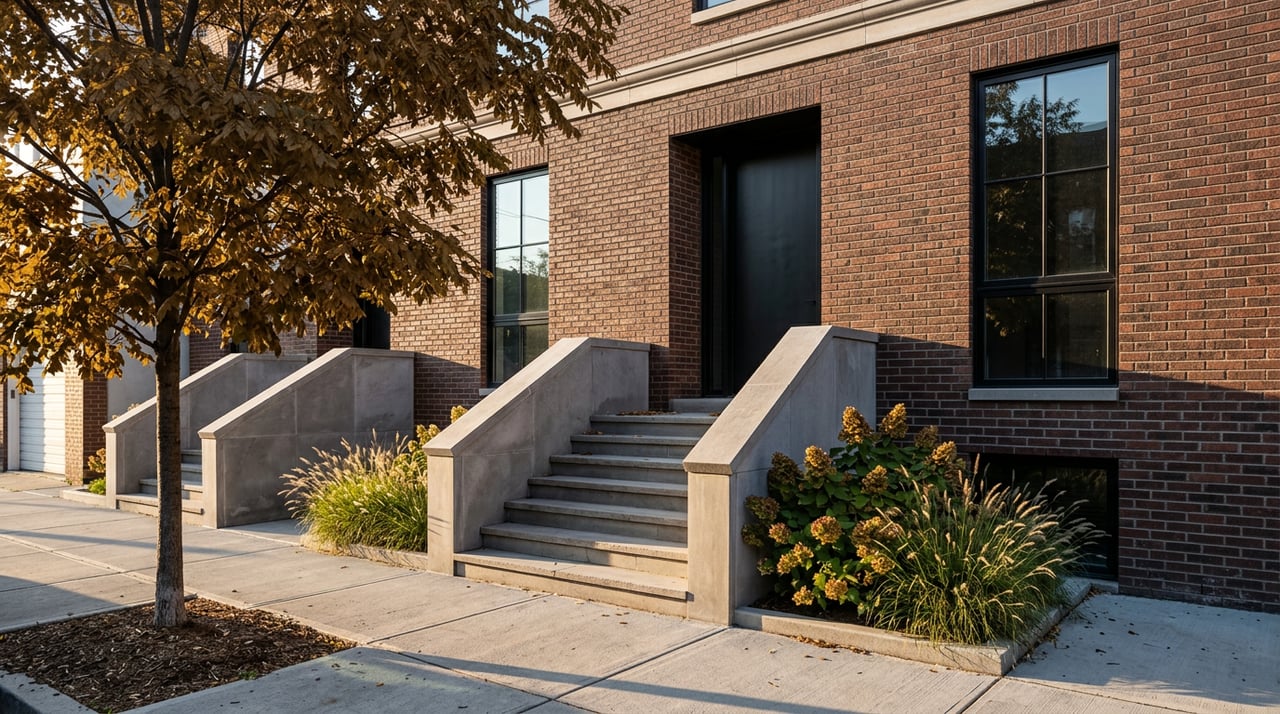
New construction in Bucktown usually appeals to buyers who want a home that feels ready for modern daily life from day one. Current listings often highlight open layouts, custom cabinetry, updated HVAC, and private outdoor living like rooftop decks or covered terraces. A sample of Bucktown new-construction listings shows how often convenience and function lead the marketing.
That matters if you want fewer immediate projects after closing. You may prefer a home where the layout already fits how you entertain, work from home, or store everyday items. If your priority is a more predictable move-in experience, new construction often checks that box.
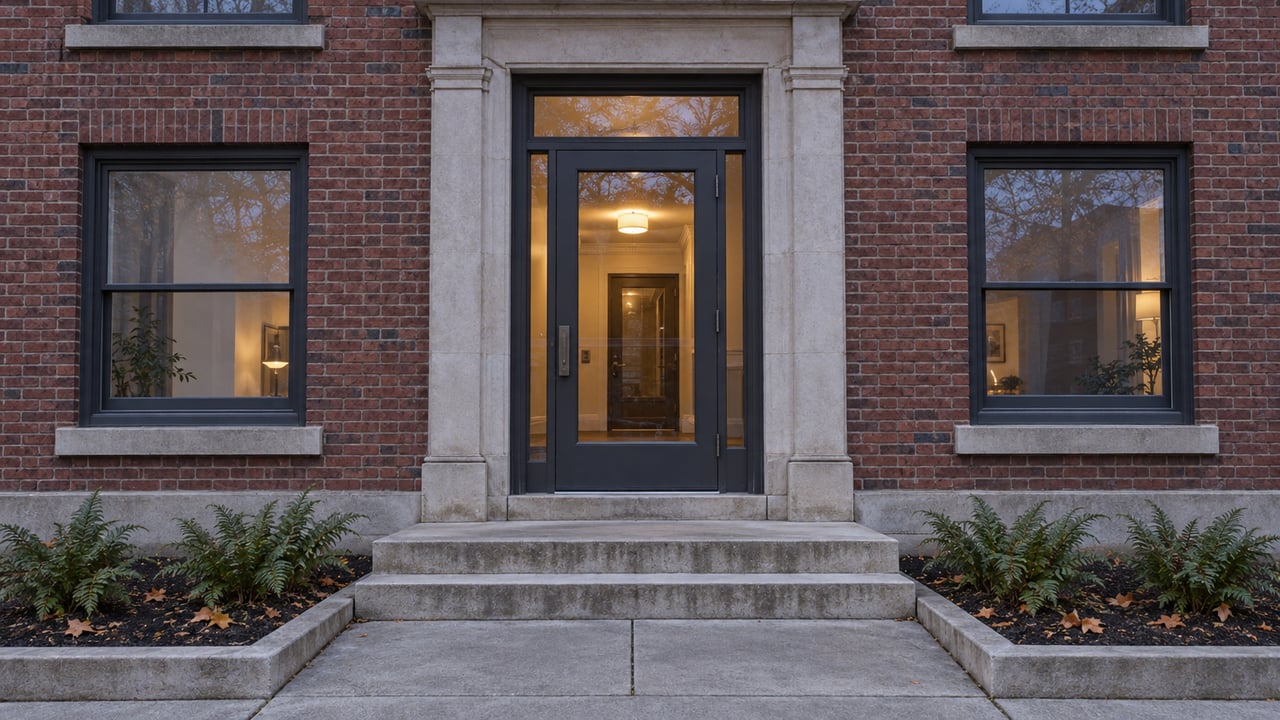
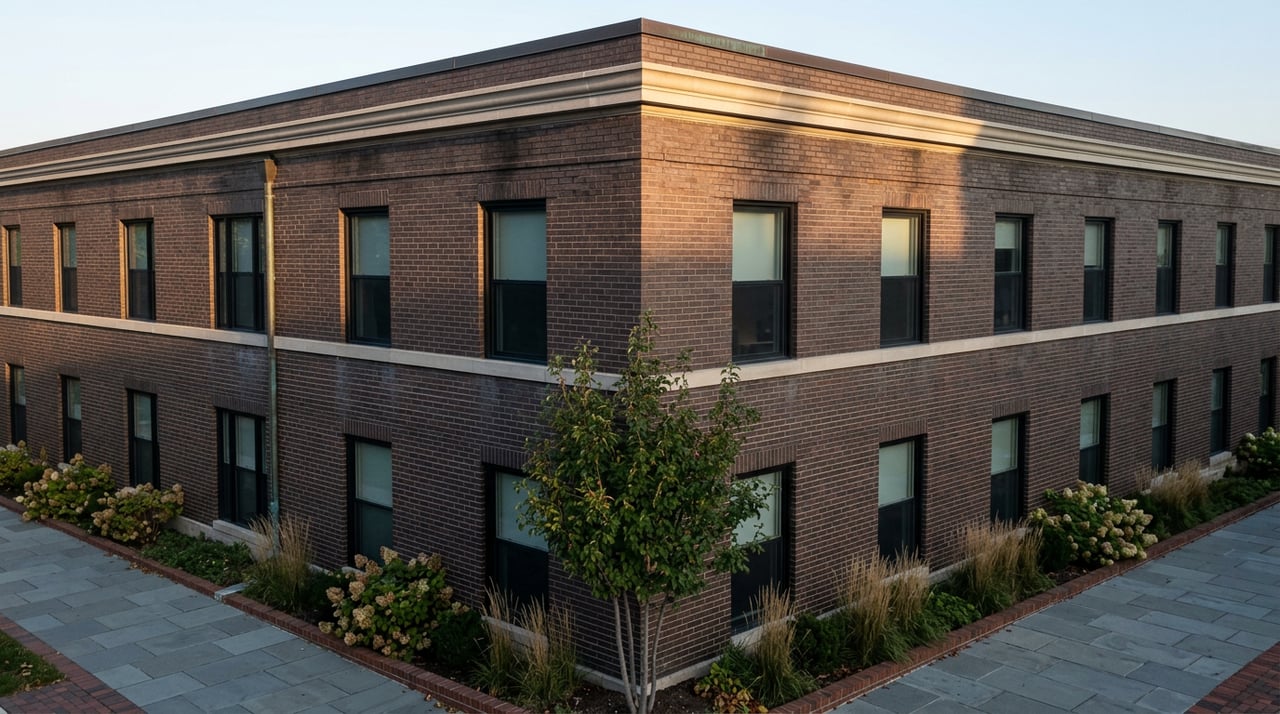
Vintage homes in Bucktown tend to attract buyers who care about architectural detail and a more distinct sense of place. Current examples often feature exposed brick, stained glass, Victorian millwork, bay windows, hardwood floors, separate living and dining rooms, and outdoor areas like back decks or yard space. One current vintage Bucktown example shows how older homes can preserve their original character while still adding modern outdoor living features.
For many buyers, that character is the point. A vintage home can feel more layered, more personal, and more flexible over time. If you enjoy the idea of making thoughtful updates while keeping the architectural identity intact, an older property may offer more room to do that.
One of the biggest day-to-day differences is how the home lives. New construction often leans toward open-plan convenience, with spaces that flow together and support a more contemporary style of living. That setup can feel especially practical if you like entertaining casually or want sightlines across the main level.
Vintage homes often offer more room definition. Separate living and dining spaces can be useful if you want quieter zones for work, reading, guests, or a more traditional setup. Neither is automatically better. It depends on whether you want a home that feels streamlined now or one that gives you more architectural separation.
If you are comparing monthly comfort and future upkeep, age matters. Older homes are more likely to benefit from weatherization work, and the U.S. Department of Energy recommends tools like home energy audits, air sealing, insulation, moisture control, ventilation improvements, and energy-efficient windows for both existing and new homes.
For a Bucktown buyer, that means a vintage purchase may come with more decisions early on. You might love the details and layout, but you should also think through comfort, utility costs, and the scope of any upgrades. New construction may reduce some of those immediate decisions, though every home still benefits from a careful inspection and realistic operating-cost review.
If a home was built before 1978, renovation planning comes with another important consideration. The EPA’s lead renovation guidance explains that renovation, repair, or painting in a pre-1978 home or building can create dangerous lead dust, and work that disturbs lead-based paint must be handled by lead-safe certified contractors.
This does not mean you should avoid older homes. It means you should budget carefully and use the right professionals. In practical terms, this is one of the clearest differences between buying newer construction and buying a vintage property in Bucktown.
Whether you buy new construction or plan a major renovation, timing is not always as simple as buyers expect. The City of Chicago permit status system notes that major new-construction and renovation or alteration permits can move through plan review, corrections, zoning approval, and hold resolution before issuance.
If you are buying a home because you want to add value quickly, this is worth paying attention to. A project timeline may stretch well beyond the day you get the keys. Buyers who prefer a simpler path often lean toward homes that already meet most of their needs.
If you feel stuck between the two, simplify the decision into three practical questions.
If you want a lower-maintenance path and fewer immediate vendor decisions, new construction may be the better fit. If you are comfortable managing updates over time, a vintage home can offer more opportunity to personalize.
If your move has a firm deadline, predictability matters. New construction is often favored by buyers who want modern finishes and less near-term renovation risk, though delivery dates should still be confirmed carefully.
With vintage homes, some of the value is already visible in the architecture. With newer homes, you may be paying for convenience, current design, and newer systems instead. Thinking about that tradeoff can make your decision much easier.
| Factor | New Construction | Vintage Home |
|---|---|---|
| Layout | Often open concept | Often more defined rooms |
| Systems | Typically newer | May need updates over time |
| Style | Modern finishes | Original architectural detail |
| Near-term maintenance | Usually lower | Often higher or more variable |
| Renovation potential | Less immediate need | More opportunity to customize |
| Compliance concerns | Fewer age-related issues | Pre-1978 work may require lead-safe practices |
| Timeline risk | Can still depend on delivery or permits | Renovation timelines may be longer than expected |
In Bucktown, both new construction and vintage homes can be excellent choices. The neighborhood’s housing mix is exactly what gives buyers options, from newer infill properties built around convenience to older homes filled with detail and long-term potential. Your best move is to match the home to your timeline, budget comfort, and willingness to take on projects.
If you want a local strategy for comparing Bucktown homes block by block and weighing lifestyle, renovation scope, and resale considerations, Patrick O'Brien can help you make a clear, confident decision.
Stay up to date on the latest real estate trends.
Whether you're preparing to sell, beginning a home search or simply trying to understand your options, let's have a conversation about your goals and the market.
Patrick O'Brien
Office Address
2350 NORTH LINCOLN AVE 3RD FLR
CHICAGO IL 60614