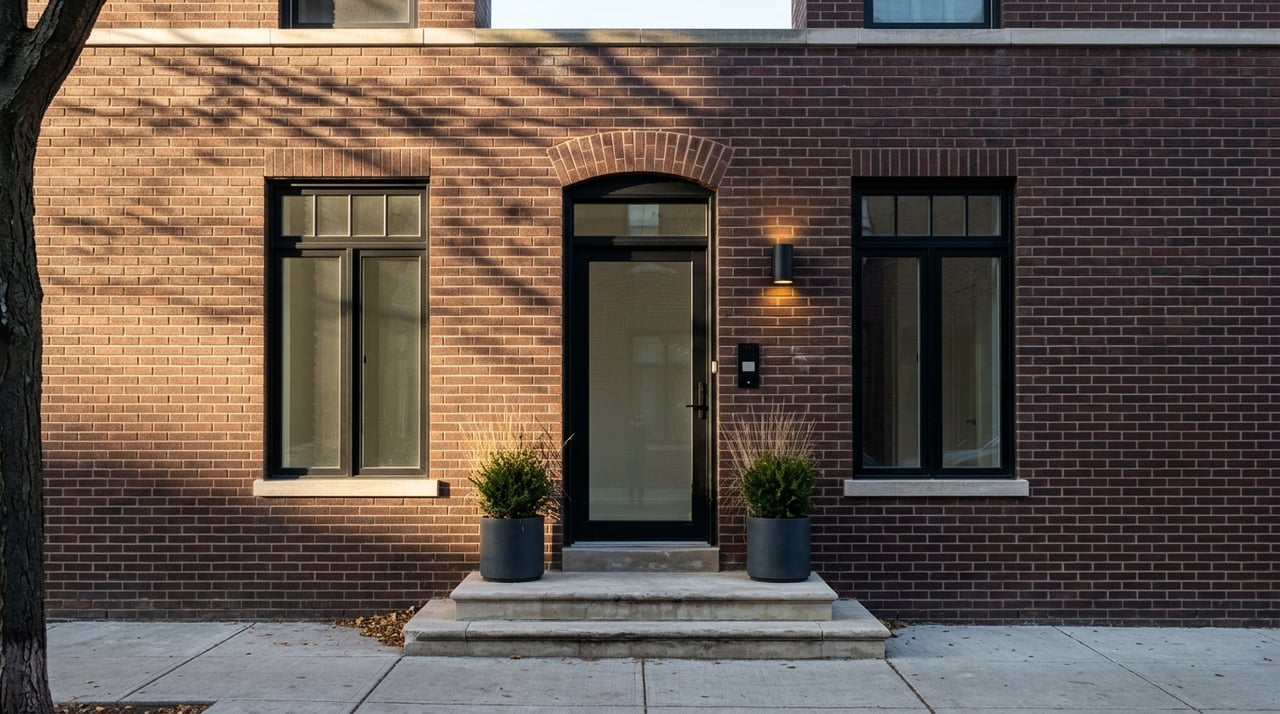
Wicker Park Loft vs Walkup: How to Choose
May 28, 2026
May 28, 2026
Trying to choose between a loft and a walk-up in Wicker Park? You are not alone. In a neighborhood where both property types show up often, the right fit usually comes down to how you want to live every day, not which option sounds trendier. If you are weighing layout, stairs, light, noise, and condo association details, this guide will help you compare the trade-offs with more confidence. Let’s dive in.
Wicker Park’s housing mix reflects the neighborhood’s long history. After the Great Chicago Fire, the area developed with brick-and-stone housing, and later industrial buildings took shape along Milwaukee, Ashland, and nearby corridors before the neighborhood’s late-20th-century revival.
That history is a big reason you still see converted industrial lofts alongside older multi-unit buildings today. For buyers, that means your search in Wicker Park often includes two very different living experiences within the same neighborhood.
It is also worth noting that Wicker Park is a premium market. Recent reports placed the median sale price between $635,000 and $739,000, with condo listings around a $600,000 median list price in one recent snapshot. In other words, this is usually not a loft-versus-walk-up decision based on finding a bargain. It is more often a lifestyle decision inside an already competitive price range.
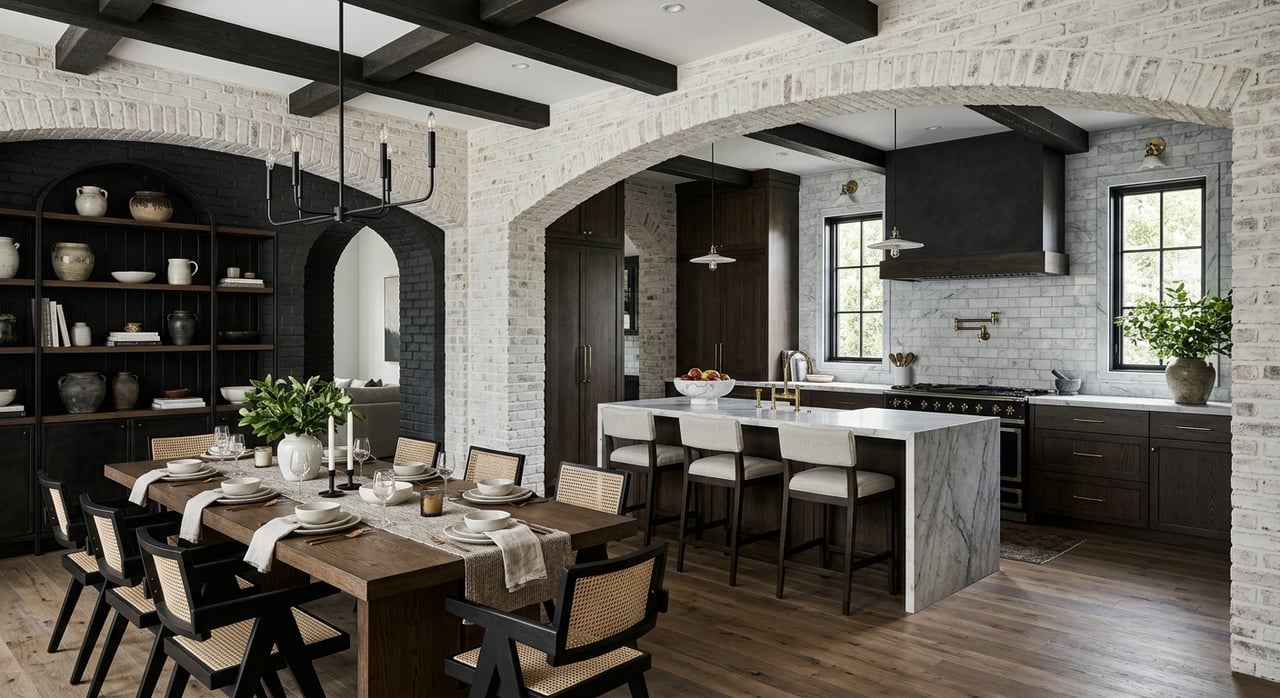
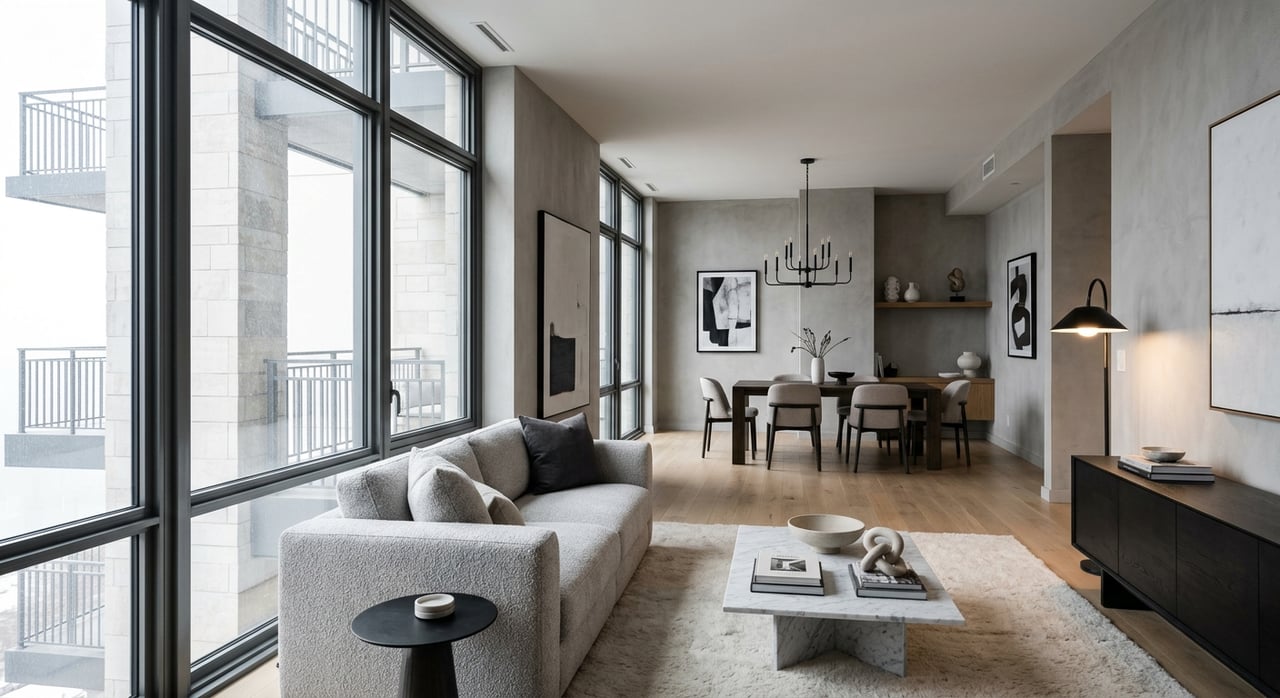
A classic loft is typically a former industrial space with big windows, exposed brick, and tall open ceilings. In Wicker Park, that often translates into open-concept homes with oversized windows, visible structural elements, and a strong sense of volume.
If you like entertaining, working from home, or arranging larger furniture, a loft may feel easier to live in. The openness can make the home feel dramatic and flexible, especially if you prefer fewer walls and a more modern layout.
That same openness can come with trade-offs. Large windows and high ceilings often bring in great daylight, but they may also affect privacy, acoustics, and heating or cooling comfort. If you are considering a loft, it helps to ask practical questions about window quality, insulation, and whether the unit sits above a busy street or commercial space.
Buyers often gravitate to lofts for a few consistent reasons:
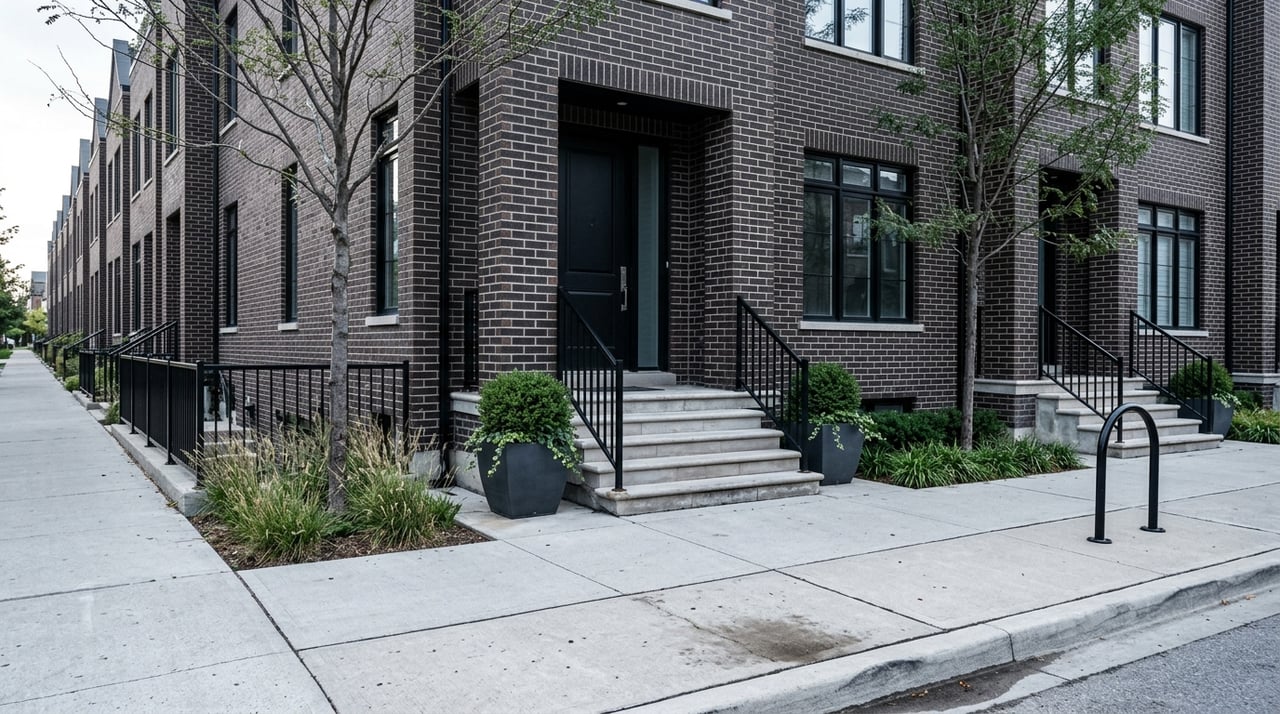
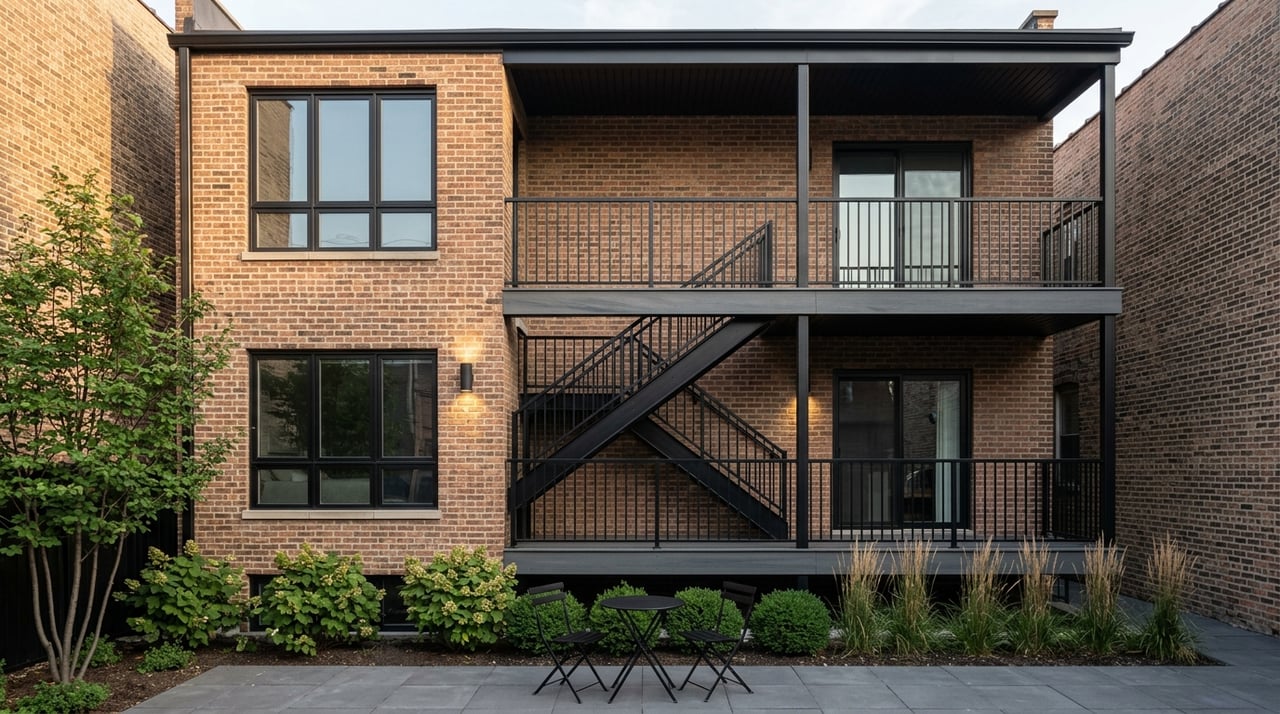
A walk-up offers a very different day-to-day rhythm. In Chicago, walk-up buildings are typically low-rise buildings without elevators, often in the two- to five-story range, and they tend to deliver a more traditional condo experience.
In Wicker Park, that can mean a more compact layout and a classic Chicago building feel. Some buyers prefer that smaller-scale environment because it feels simpler and more residential.
The main trade-off is right in the name: stairs. For some people, a walk-up is no big deal. For others, carrying groceries, moving furniture, handling pet routines, or simply managing daily trips up and down can become a real factor.
Walk-ups tend to appeal to buyers who want:
When you compare a loft and a walk-up, the biggest difference is often how the home feels when you walk in. A loft usually emphasizes openness and volume. A walk-up often emphasizes separation, structure, and a more conventional room arrangement.
That difference affects how you live. If you want one large central space for hosting, creative work, or flexible furniture placement, a loft may suit you better. If you prefer clearly defined living areas and a smaller-scale home environment, a walk-up may feel more comfortable.
Neither format is automatically better. The better choice is the one that matches your routine, your tolerance for stairs, and how much value you place on space, light, and layout.
Lofts often have the edge on natural light because of their larger windows and open interior volume. That can be a major advantage if you want a bright home or a space that feels expansive throughout the day.
At the same time, open plans can reduce acoustic separation. If a loft is near busy commercial activity or above street-level businesses, the experience may feel very different from a unit tucked onto a quieter block.
Walk-ups can feel more insulated from that open industrial style, but light and privacy can vary a lot by unit. In lower-rise Chicago buildings, floor level and window orientation matter. One walk-up may feel bright and private, while another may feel more enclosed.
Wicker Park itself also shapes the experience. The neighborhood is known for a walkable, active environment with vintage stores, music venues, bars, and access to the 606 trail. Because of that setting, the exact location of the unit matters just as much as the building type.
For many buyers, the most important difference is not loft versus walk-up. It is how the building is run.
Under Illinois condo law, condo boards must prepare an annual budget, collect assessments, and provide reasonable reserves for capital expenditures and deferred maintenance unless reserves are waived by a two-thirds vote. If reserves are waived, that waiver must be disclosed to a prospective purchaser.
That is why condo documents deserve close attention. A loft building may have more shared systems or amenities to maintain, while a smaller walk-up may have fewer common elements but still face meaningful upkeep costs related to roofs, masonry, windows, plumbing stacks, or exterior stairs.
Before you commit to either property type, ask:
These questions can tell you more about future ownership costs than the label “loft” or “walk-up” ever will.
| Feature | Loft | Walk-Up |
|---|---|---|
| Layout | Open, expansive, flexible | More traditional, often compact |
| Windows | Typically larger | Varies more by unit |
| Ceilings | Usually higher | Typically more standard |
| Daily access | May include more building systems | Usually stairs only |
| Building feel | Industrial character | Low-rise residential character |
| Key trade-off | Openness versus privacy and acoustics | Simplicity versus stair routine |
If you are torn between the two, focus less on the category and more on your daily habits. Think about how often you host, whether you work from home, how you feel about stairs, and how sensitive you are to noise and privacy.
A loft may be the better fit if you value visual impact, larger windows, and open space. A walk-up may be the better fit if you want a classic low-rise setting and do not mind a stair-only routine.
In Wicker Park, this decision is rarely just aesthetic. It is about choosing the home style that supports how you actually live, while making sure the building’s finances and maintenance history are just as strong as the unit itself.
If you are comparing lofts and walk-ups in Wicker Park, working with a local broker who can help you evaluate both the home and the condo documents can save you time and help you avoid expensive surprises. When you are ready to talk through your options, connect with Patrick O'Brien.
Stay up to date on the latest real estate trends.

Whether guiding a first-time buyer, marketing a luxury listing, or producing on-camera content, Patrick leads with professionalism, creativity, and care. His clients and colleagues value his integrity, strategic thinking, and unwavering work ethic.

Patrick O'Brien
Office Address
2350 NORTH LINCOLN AVE 3RD FLR
CHICAGO IL 60614