Choosing Between High-Rise and Courtyard Condos in Edgewater
June 18, 2026
June 18, 2026
Wondering whether Edgewater condo living is better in a lakefront high-rise or a classic courtyard building? You are not alone. In a neighborhood with both soaring towers and vintage walk-ups, the right choice often comes down to how you want your daily life to feel, what costs you are comfortable carrying, and which building details matter most. This guide will help you compare both options in practical terms so you can move forward with more clarity. Let’s dive in.
Edgewater sits along Lake Michigan on Chicago’s North Side, about seven miles from downtown. It is bounded by the lake, Foster Avenue, Devon Avenue, and the UP North tracks, and it offers a housing mix that makes this condo decision especially meaningful.
You are not just choosing between two looks. In Edgewater, you are often choosing between a mid-century lakefront tower with shared services and a smaller brick courtyard building with a more intimate scale. With CTA bus and Red Line access, the Ridge-Peterson Metra stop, and direct access to the Lakefront Trail, either option can support a car-light lifestyle.
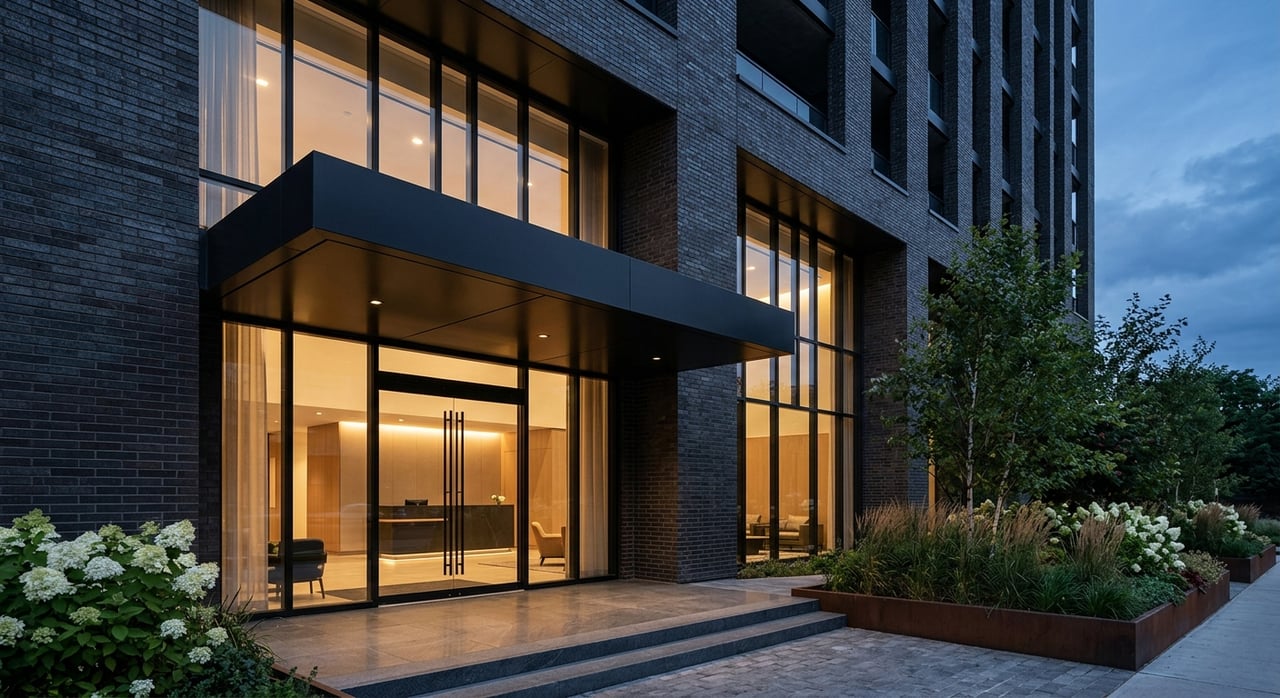
High-rise living in Edgewater often appeals to buyers who want convenience built into the building itself. Many tower-style condos offer elevator access, common interior hallways, and a wider range of shared services and amenities.
In practical terms, that can make everyday life feel streamlined. You may value having easier vertical access, more building-level support, and a setup that feels more service-oriented from the moment you walk through the front door.
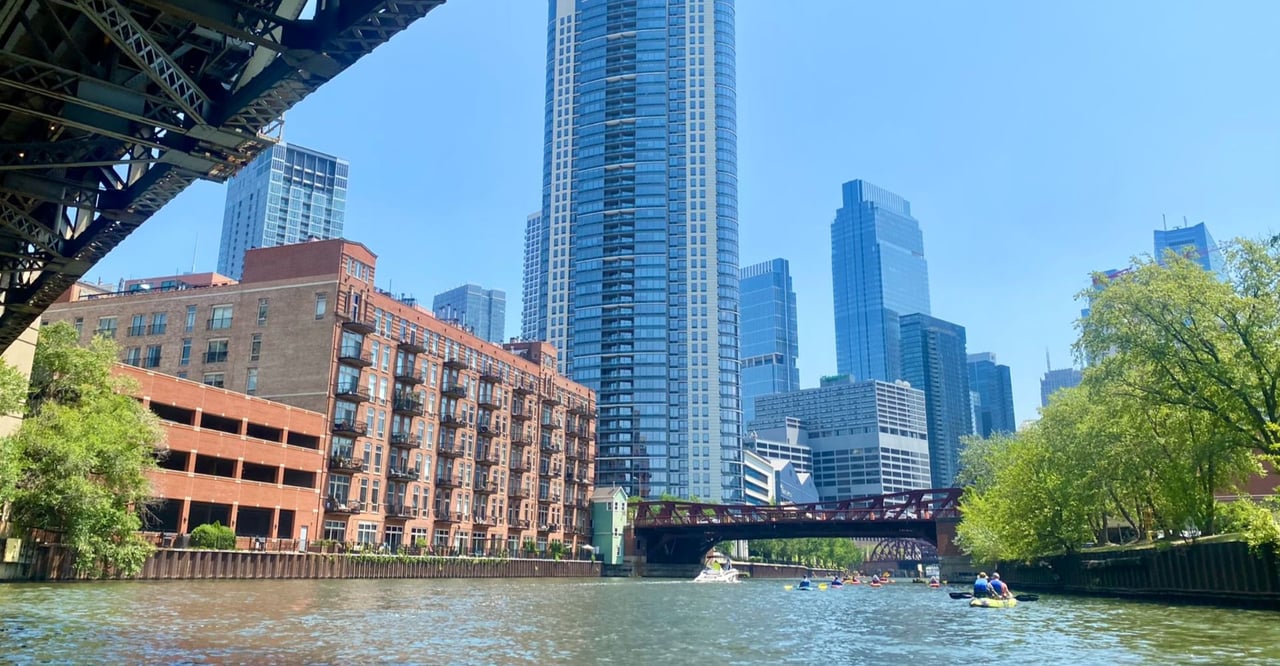
Local examples help show the appeal. Malibu East is a 45-floor Edgewater high-rise known for private balconies and panoramic lake and city views, while the landmarked Edgewater Beach Apartments are known for spacious layouts and solid construction.
If you are considering a tower, these are often the features that stand out most:
That said, not every high-rise offers the same experience. What matters most is the individual building, its financial health, and what the monthly assessment actually covers.
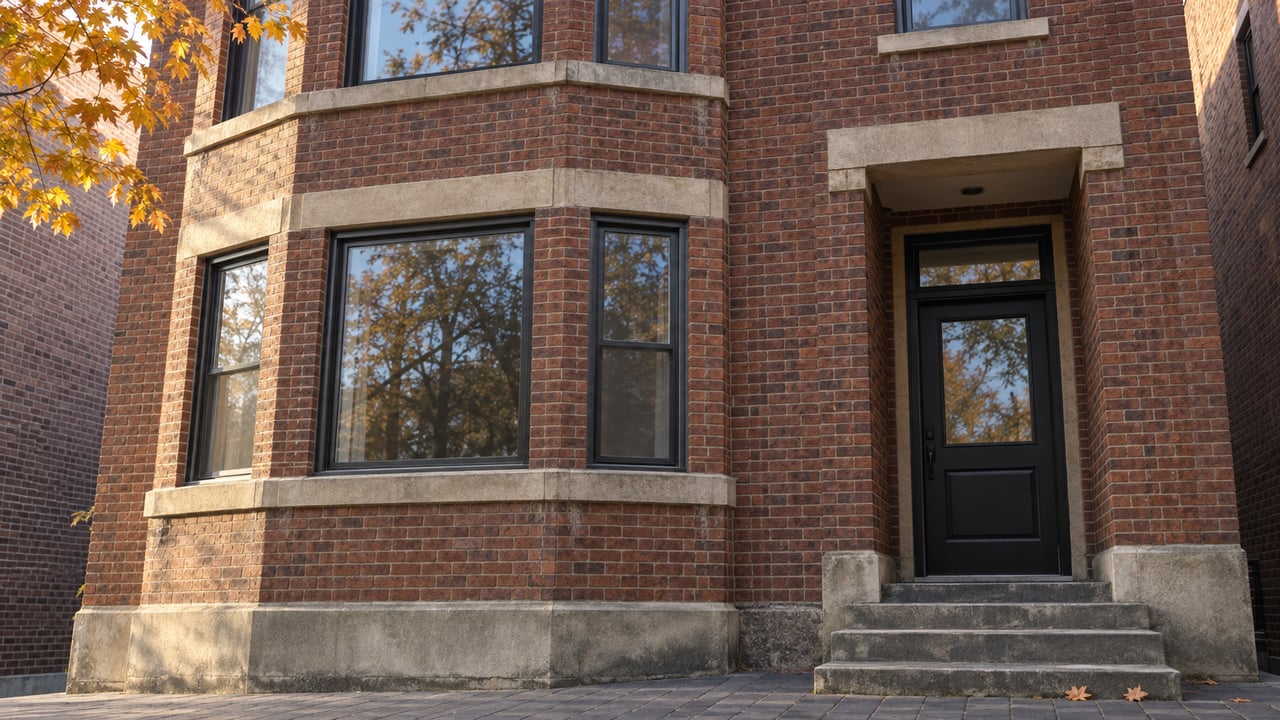
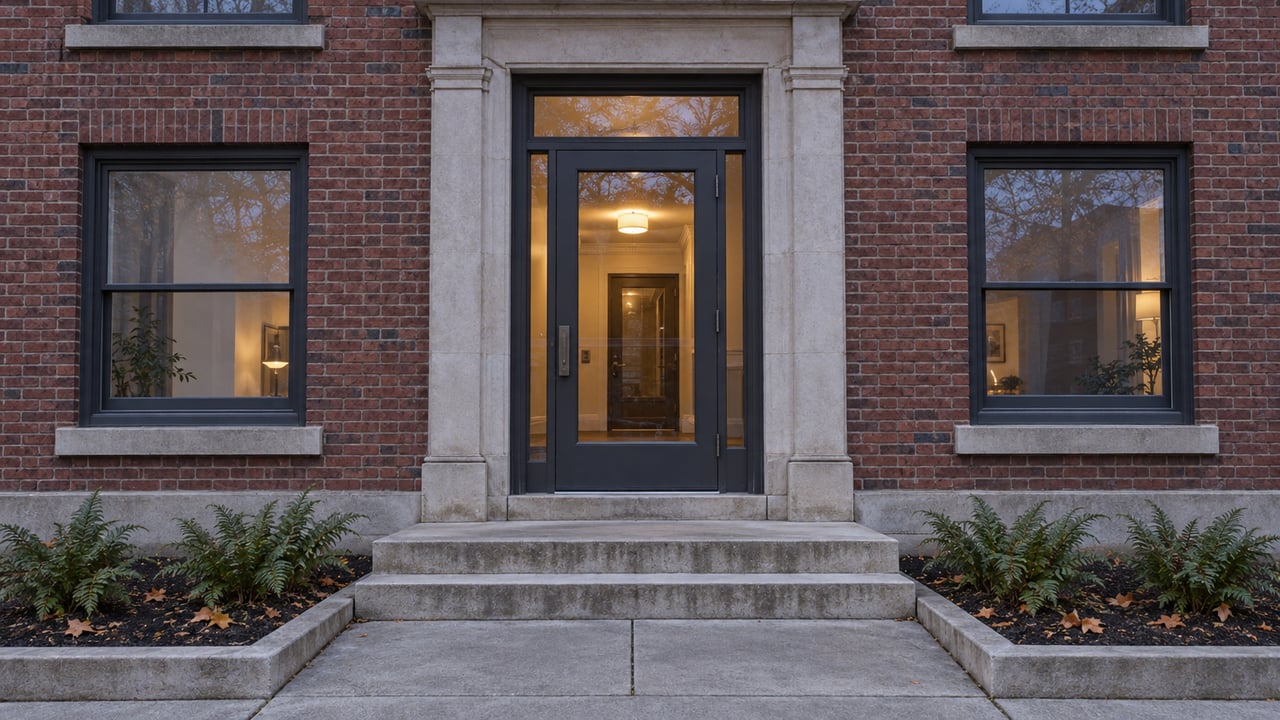
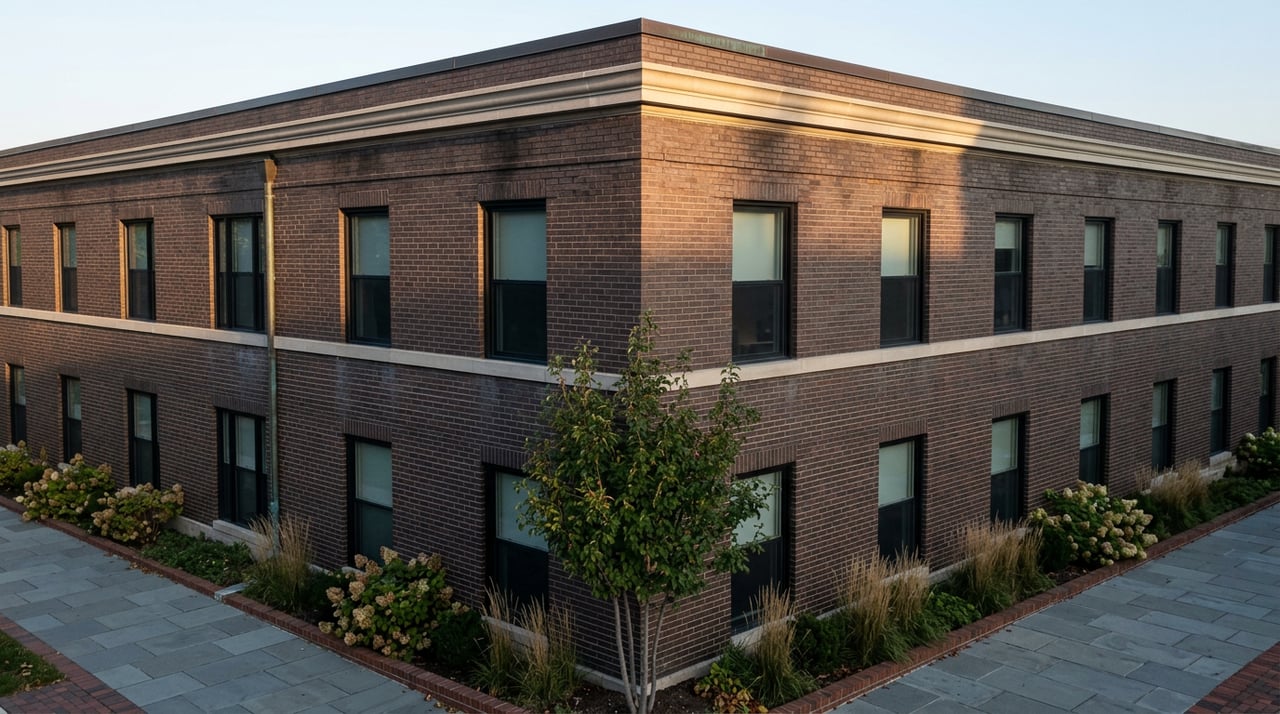
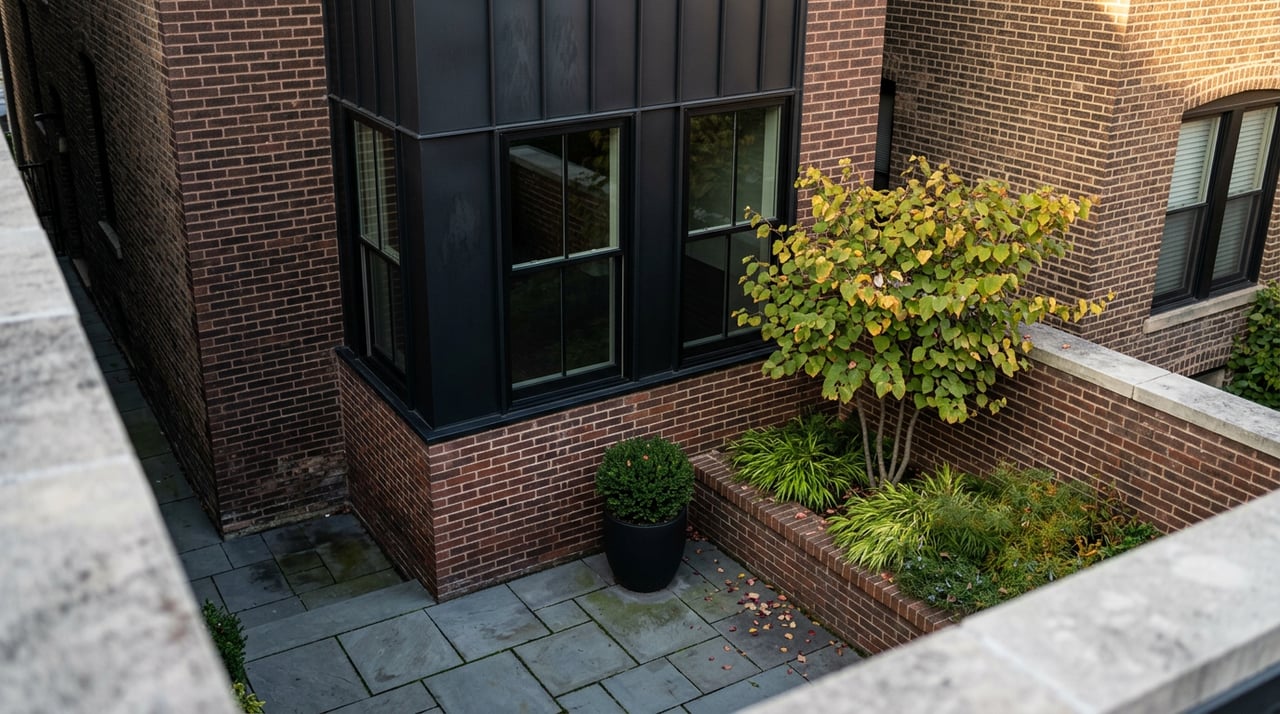
Courtyard buildings are one of Chicago’s most recognizable housing forms, and Edgewater has many examples of them. These buildings were largely built between the 1890s and the Great Depression and were typically designed as three- to four-story brick buildings organized around a central semi-public garden.
That design was meant to bring nature closer to living spaces, increase privacy, and reduce the feeling of density. In everyday life, that often translates to a quieter, smaller-scale routine than what you may find in a tower.
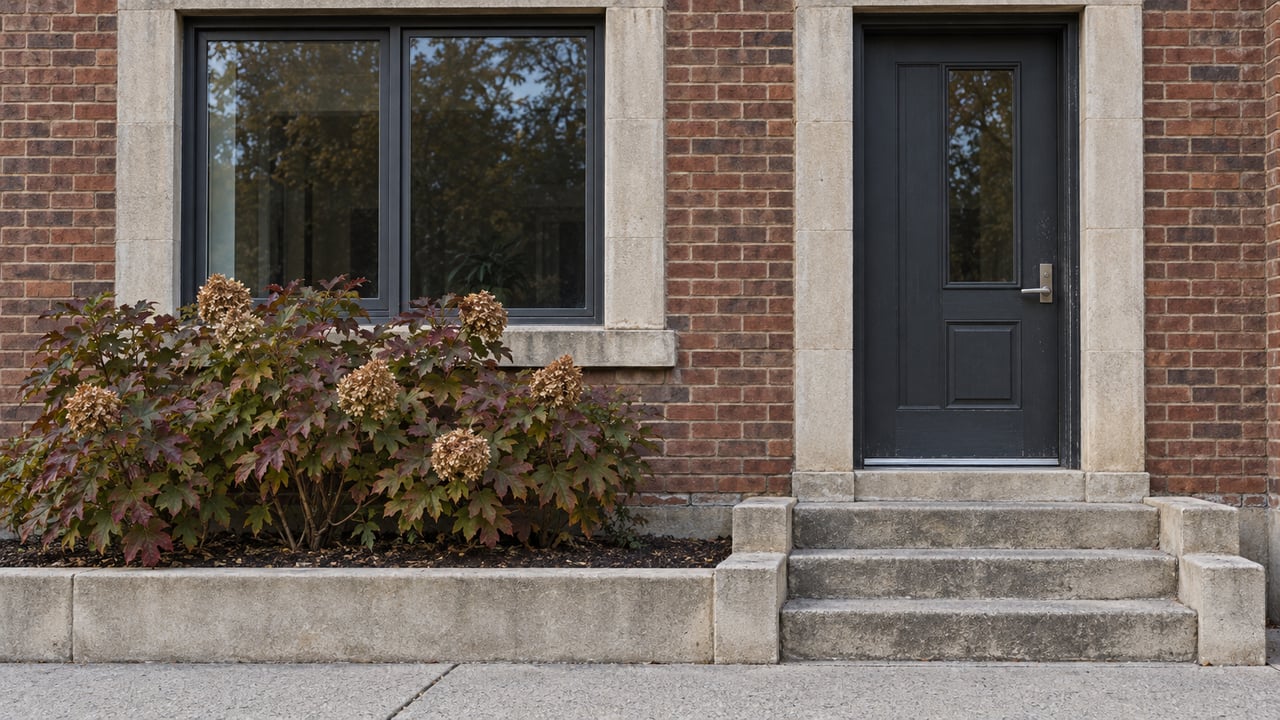
A walk-up usually means stairs and no elevator. For some buyers, that tradeoff is well worth it because the building can feel more connected to the street, the block, and the surrounding neighborhood fabric.
If you are drawn to courtyard or walk-up living, these are often the qualities buyers like most:
For buyers who want a more residential feel and appreciate vintage Chicago architecture, this style can be a strong match.
One of the biggest mistakes buyers make is focusing only on building style. In reality, the building’s financial structure often matters more than whether it is tall or low-rise.
Under Illinois condominium law, budgets must provide reasonable reserves for capital expenditures and deferred maintenance of common elements. Common elements can include hallways, stairways, entrances, exits, roofs, parking areas, central heating and air, and landscaping.
That is one reason monthly assessments can vary so widely. In many high-rises, fees commonly cover exterior repairs, common areas, water, sewer, trash, and recreational amenities, which can make the monthly carrying cost feel higher. That pattern is often true, but it is not universal.
A courtyard building may have fewer shared systems or amenities, but that does not automatically mean lower risk or lower long-term cost. A smaller building can still face major roof, masonry, stair, or system expenses, so you want to look past the sticker price of the monthly dues.
Many buyers assume a high-rise means no private outdoor space and a courtyard means more of it. In practice, it is more nuanced.
Illinois guidance notes that balconies, terraces, patios, and parking spaces are often limited common elements. That means your rights to use private outdoor space or parking usually depend on the condo declaration, not simply the building type.
In Edgewater, public outdoor access can also change the equation. With the Lakefront Trail and the neighborhood’s lakefront setting, many residents use public open space as an extension of daily life, especially if private outdoor space is limited.
No matter which building style you prefer, the smartest next step is to review the association documents and ask focused questions. A beautiful unit in a poorly run building can become expensive fast.
Here are some of the most useful questions to ask when comparing condos in Edgewater:
These questions help you compare buildings on substance, not just appearance.
Illinois gives buyers important access to condo information through Section 22.1 disclosures. Usually within 30 days of a written request, prospective purchasers can review documents such as the declaration, bylaws, unpaid assessments, planned capital expenditures, reserve information, pending lawsuits, and insurance coverage.
This is where the real story of a building often shows up. A high-rise with strong reserves may be a better financial fit than a charming courtyard building with deferred maintenance, and the reverse can also be true.
If you are deciding between a high-rise and a courtyard condo in Edgewater, it helps to start with your daily priorities. Think about what you want your home to do for you, not just how you want it to look in photos.
A high-rise may be the better fit if you value views, elevator access, and more building-level services. A courtyard or walk-up may be the better fit if you want architectural character, a smaller building scale, and a routine that feels more tied to the street and neighborhood.
Neither option is automatically better. In Edgewater, the best choice is usually the one that aligns with your lifestyle, your comfort with monthly costs, and the strength of the specific association behind the building.
If you want help comparing Edgewater condos with a clear eye on building health, lifestyle fit, and long-term value, Patrick O'Brien can help you narrow the field and move with confidence.
Stay up to date on the latest real estate trends.

Whether you're preparing to sell, beginning a home search or simply trying to understand your options, let's have a conversation about your goals and the market.
Patrick O'Brien
Office Address
2350 NORTH LINCOLN AVE 3RD FLR
CHICAGO IL 60614