Lincoln Square House Hacking With Two to Four Flats
April 23, 2026
April 23, 2026
If you want to buy in Lincoln Square but also want your home to work harder for your budget, house hacking can be a smart path. In a neighborhood known for classic Chicago flats, transit access, and a strong local identity, a two- to four-unit building can give you a place to live while rental income helps offset your monthly costs. The key is knowing what to look for, how financing works, and what day-to-day ownership really involves. Let’s dive in.
Lincoln Square is one of those Chicago neighborhoods that naturally fits the house-hack model. According to Choose Chicago’s Lincoln Square neighborhood guide, the area blends independent shops, restaurants, cultural destinations like the Davis Theater and Old Town School of Folk Music, and convenient access to the Brown Line and bus routes.
That combination matters when you are buying a small multi-unit building. You are not just choosing where you want to live. You are also choosing a location that can appeal to future tenants who want neighborhood character and practical transit connections.
Lincoln Square also fits because Chicago already has a long history with this housing type. The Chicago Architecture Center notes that two- and three-flats make up a quarter of Chicago housing, and these properties were historically used as wealth-building investments. In a city with more than 76,000 two-unit apartment buildings, this is not a fringe strategy. It is part of the local housing fabric.
House hacking usually means buying a property with multiple units, living in one unit, and renting out the others. In Lincoln Square, that often points buyers toward two-flats, three-flats, or four-unit buildings rather than newer large-scale apartment properties.
For many buyers, the appeal is simple. Rental income from the other units may help reduce your out-of-pocket housing cost while you build equity in a property you own. At the same time, you take on the responsibilities of living on-site and managing a small income property.
Lincoln Square is not a neighborhood of cookie-cutter homes. The Lincoln Square Ravenswood Chamber describes its architecture as ranging from the Victorian era to the present, with much of its growth tied to early streetcar service and the Brown Line.
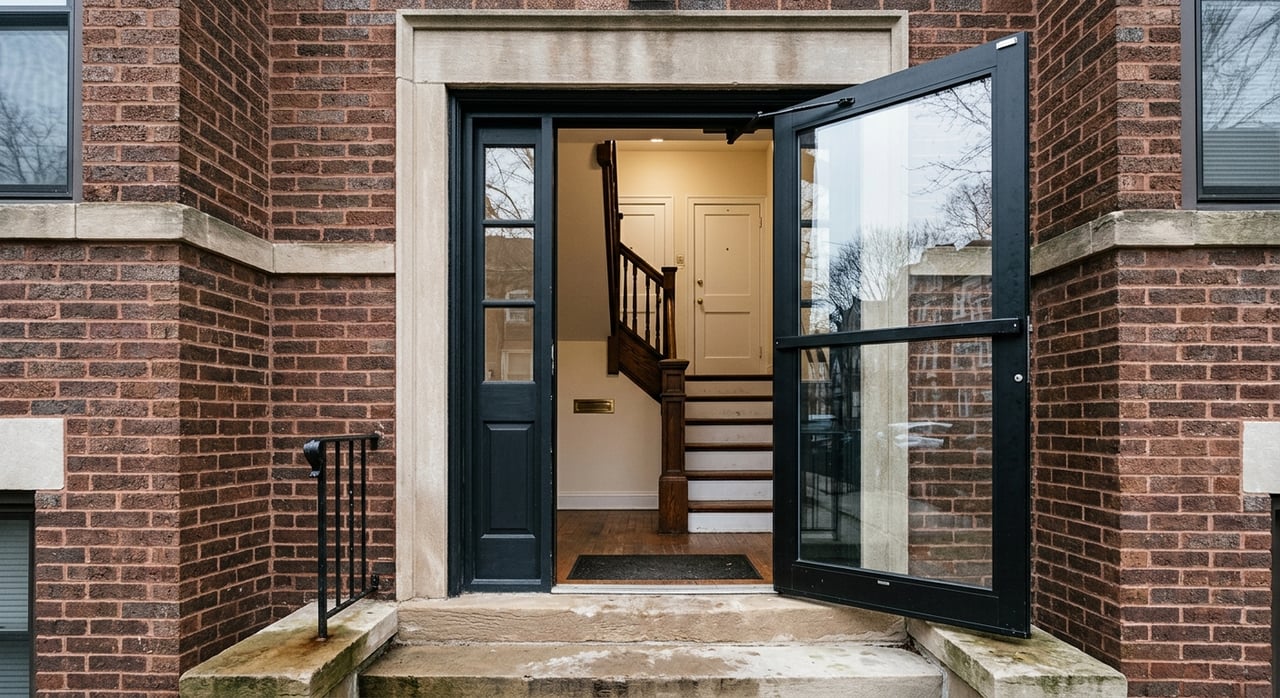
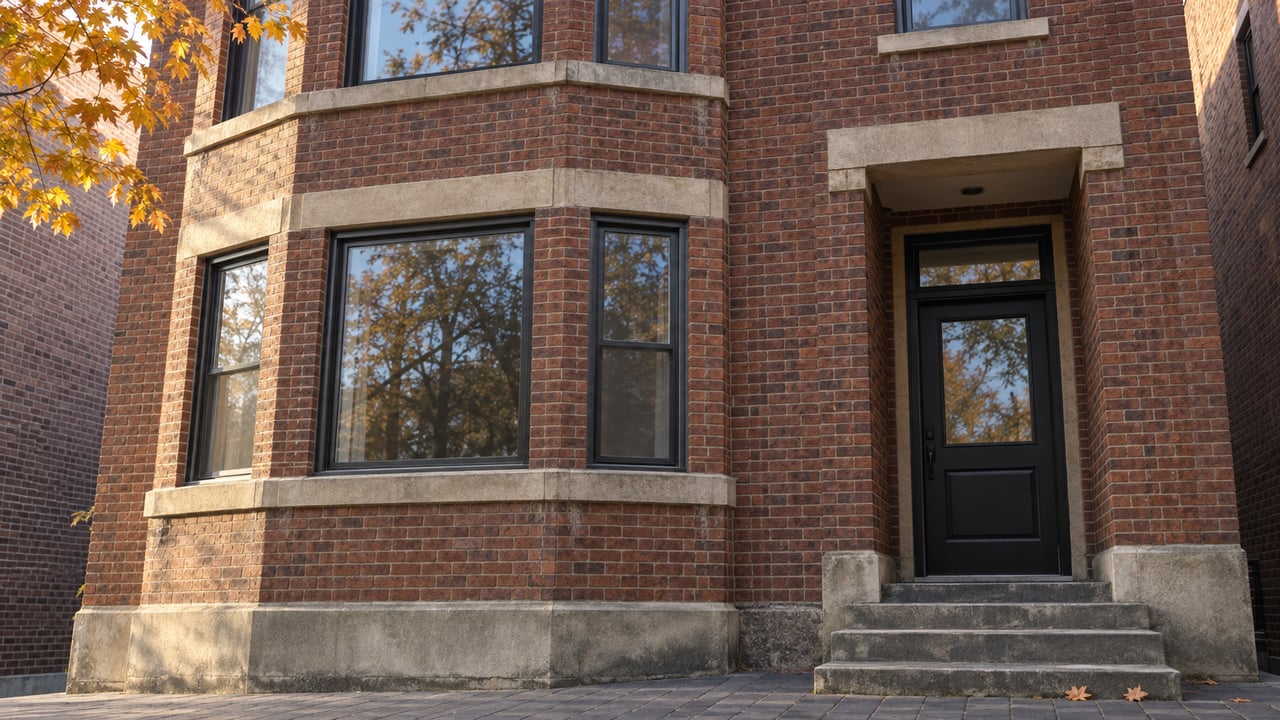
That history helps explain why so many small multi-unit buildings in the area reflect Chicago’s traditional flat-building style. Per the Chicago Architecture Center, classic two-flats are often brick or stone with side-entry porches, projecting bays, and narrow gangways between buildings.
When you tour these properties, appearance is only part of the story. A pretty facade matters less than a layout that works for daily life, privacy between units, and a condition profile that will not force major surprise spending right after closing.
A successful house hack starts with buying the right building, not just buying any building with extra units. Since you will be both owner and occupant, your checklist should go beyond basic investment math.
Pay close attention to the roof, masonry, windows, plumbing, electrical, and heating systems. In older Chicago buildings, these items can have a major impact on your early ownership costs.
A building with charm but outdated systems may still be worth considering, but only if the price, reserves, and overall plan make sense. The goal is to understand what needs immediate attention versus what can wait.
Separate or manageable utility setups can make ownership easier. You should also review basement condition, moisture issues, laundry access, and storage, since these details often affect both your experience and tenant satisfaction.
In a small building, the practical stuff matters every day. If systems are confusing or shared spaces are awkward, you will feel it quickly once you move in.
Stair placement, sound transfer, and overall separation between units are easy to overlook during a showing. They matter a lot once you are living there with tenants.
A strong house-hack candidate should give you a sense of personal space while still functioning well as a rental property. You want a building that supports long-term comfort, not one that turns every noise or shared hallway into a frustration.
Lincoln Square’s transit access is part of the draw, especially with Brown Line service and bus connections noted by Choose Chicago. Even so, parking can still affect rental appeal depending on the specific property and tenant expectations.
This is where block-by-block context matters. Some buyers will prioritize off-street parking, while others will value easy access to rail, shops, and restaurants more heavily.
One of the biggest reasons house hacking is so appealing is that owner-occupied two- to four-unit properties are a recognized financing category. That can open the door for buyers who want multi-unit income potential without jumping straight into a larger investment property.
The Consumer Financial Protection Bureau says FHA loans are made by private lenders, may allow down payments as low as 3.5 percent in many cases, and require mortgage insurance. It also states that for FHA eligibility, the building must have no more than four units and you must purchase the entire building.
That makes FHA relevant for many first-time house hackers looking at Lincoln Square two-flats, three-flats, or four-flats. Whether it is the right fit depends on your finances, the building, and lender guidelines.
Another important piece is income from the other units. According to Fannie Mae guidance on rental income, rental income from a two- to four-unit principal residence can be used when the borrower occupies one of the units, and lenders may document that income through current leases or a Small Residential Income Property Appraisal Report.
That does not mean every deal works the same way, but it does mean the income side of the property may play a role in your qualification. For many buyers, that is what makes a multi-unit purchase more realistic than a single-family or condo option in the same area.
Online rent data can give you a starting point, but it should not be your final underwriting tool. In the current Lincoln Square data from Apartments.com, average rent is listed at $1,210 and average two-bedroom rent at $1,664.
The big takeaway is not just the number itself. It is that rent estimates can vary by platform and methodology, so you should rely on current comparable rentals, unit condition, renovation level, and layout when evaluating a property.
For example, a recently updated unit near transit may perform very differently from a more dated apartment in the same neighborhood. If you are serious about house hacking, your analysis should be grounded in realistic local comps rather than broad averages.
House hacking can lower your housing costs, but it is not passive. When you buy a two- to four-flat and live in one unit, you are stepping into a role that combines homeownership with small-scale property management.
That means handling tenant communication, coordinating repairs, planning for vacancies, and managing turnovers when they happen. It can be a great way to build experience and equity, but it works best when you go in with clear expectations.
Chicago’s Residential Landlord and Tenant Ordinance generally excludes owner-occupied premises containing six units or fewer. That is relevant to many Lincoln Square house-hack purchases.
Still, that exemption does not remove the need for leases, screening, insurance, maintenance planning, or repair reserves. In other words, living in the building may change some of the legal framework, but it does not eliminate the responsibilities that come with being a landlord.
A small multi-unit building can produce meaningful rental income, but repairs and vacancies are part of the picture too. Older Chicago buildings can be especially rewarding when maintained well, but they also require planning.
It helps to think of reserves as part of the monthly cost of ownership, not as an occasional extra. That mindset can make the difference between a manageable house hack and a stressful one.
If you like the idea of living in a neighborhood with strong transit access, established character, and classic Chicago housing stock, Lincoln Square deserves a close look. A two- to four-flat can give you a way to enter the market with income potential while building long-term equity in a neighborhood many buyers already value for its walkability and local feel.
The right property, though, is about more than unit count. It is about condition, layout, financing, realistic rent assumptions, and whether you are comfortable with the day-to-day role of being an on-site owner.
If you are considering a two- to four-flat in Lincoln Square and want a clear, numbers-based approach, working with a broker who understands both neighborhood nuance and small multi-unit analysis can save you time and help you avoid expensive mistakes. When you’re ready to explore your options, Patrick O'Brien can help you evaluate properties, compare strategies, and move forward with confidence.
Stay up to date on the latest real estate trends.


Whether you're preparing to sell, beginning a home search or simply trying to understand your options, let's have a conversation about your goals and the market.

Patrick O'Brien
Office Address
2350 NORTH LINCOLN AVE 3RD FLR
CHICAGO IL 60614