Weekend Living In Wicker Park: Homes, Cafes And Culture
March 24, 2026
March 24, 2026
What does your perfect weekend look like? If it includes a great latte, a stroll on an elevated trail, patio tacos, and an indie bookstore browse, Wicker Park should be on your short list. You might be testing the neighborhood before you buy, or scouting where to live next for a faster commute and more culture on your doorstep. In this guide, you’ll walk a weekend loop through the cafes, markets, music spots, and greenways that make Wicker Park hum, plus see which home types put you closest to the action. Let’s dive in.
A classic Wicker Park morning starts on Milwaukee Avenue near the “six corners” at Milwaukee, North, and Damen. Grab a seat at the retro favorite The Wormhole Coffee or people‑watch near the Blue Line’s busy walk sheds. The energy here is weekend‑casual and creative, with lines that move quickly and playlists that set a friendly tone.
From there, head a few blocks to Wicker Park itself for the farmers market in season and a lap around the gardens. The park spans about 4 acres and offers play areas, courts, and community gardens that anchor the neighborhood’s interior streets. You can preview daily life while you sip your coffee and consider how close you’d want to live to this green pocket. Check hours and amenities on the Chicago Park District’s Wicker Park page.
If your weekends revolve around coffee and quick access to trains, you’ll find many one‑bed condos, converted walk‑ups, and studio flats near Milwaukee Avenue and the Blue Line. The Damen, Division, and Western stations are the backbone of local mobility, and the neighborhood chamber’s getting‑here guide shows how the line shapes daily life in Wicker Park.
When lunchtime rolls around, patios fill up. Staples like Big Star’s Wicker Park location are known for tacos and whiskey, while nearby spots such as Piece Brewery & Pizzeria and Sultan’s Market deliver a casual, come‑as‑you‑are vibe. Expect an easy mix of locals and visitors, plus a steady stream of strollers, bikes, and to‑go bags.
Book lovers should wander Milwaukee and North for indie mainstays. Lose track of time in the stacked aisles at Myopic Books, then flip through zines and small‑press finds at Quimby’s. The Flatiron Arts Building often hosts open‑studio nights and pop‑ups that remind you why Wicker Park’s creative roots still matter.
If you want shopping and lunch within a few doors of home, look at small‑scale condo buildings and classic walk‑ups tucked above or just off the retail corridors. These homes offer a turnkey urban lifestyle with minimal maintenance, short walks to daily essentials, and quick access to transit.
Stretch your legs on The 606/Bloomingdale Trail, a 2.7‑mile elevated greenway that links Wicker Park to Bucktown, Logan Square, and Humboldt Park. It is popular for weekend runs, bike rides, and scenic strolls between coffee shops and galleries. For a snapshot of the experience, preview the trail via the state’s tourism highlight of The 606.
Back at street level, galleries and pop‑ups add a rotating calendar of culture. Monthly “First Fridays” and other arts events keep the neighborhood’s creative scene visible, with the Flatiron Arts Building acting as a reliable hub. It is a low‑pressure way to sample the arts ecosystem and pick your favorite blocks.
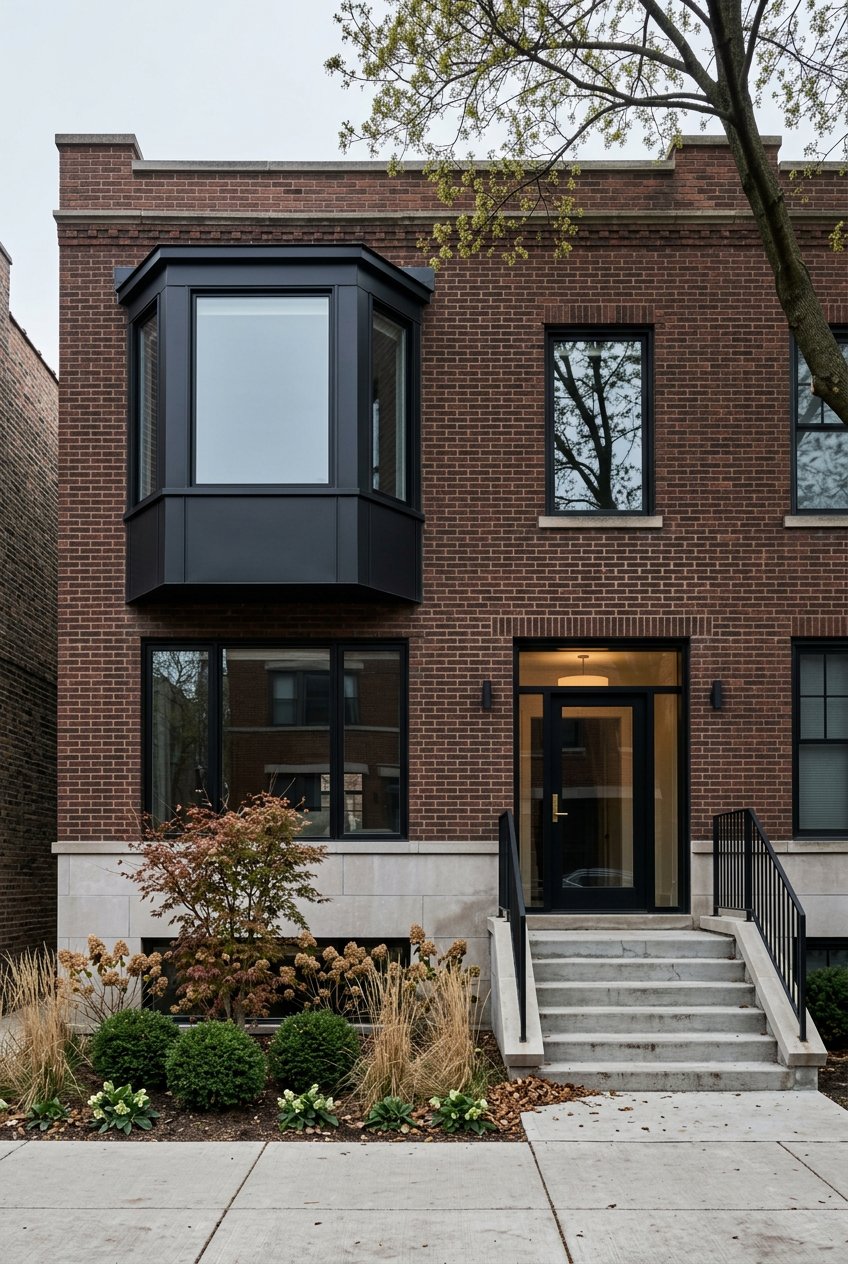
Buyers who prefer quieter afternoons often favor the tree‑lined interior streets a few blocks from Milwaukee and Damen. You will see greystones, coach houses, and single‑family conversions on streets like Hoyne, Leavitt, and Pierce. Chicago’s historic greystones are a neighborhood signature, and preservation groups have documented their character and design in resources such as this greystone guide. These homes put you minutes from cafes and The 606 while offering more space and privacy.
Evenings point you back to Milwaukee Avenue and Damen for dinner and drinks. Patios are a warm‑weather staple, with crowds settling in at familiar spots like Big Star and nearby pizzerias. Milwaukee’s storefront glow, bike traffic, and steady playlists are part of the Wicker Park rhythm.
If live music is your thing, Subterranean on North Avenue remains a neighborhood landmark for indie and alternative bookings, and the Empty Bottle sits just beyond Western. Do a quick check on show times and tickets before you head out.
One note on cocktail culture: the influential speakeasy‑style bar The Violet Hour, which helped define Wicker Park nightlife, closed permanently in June 2025. As always, confirm hours and status for any venue you plan to visit.
As you walk the neighborhood, you will see a consistent mix of classic and contemporary homes. Here is how they tend to map to lifestyle:
Pricing varies by block and by the two main ZIP codes that cover Wicker Park. Market snapshots change monthly, so use fresh, local data for your price checks and compare by micro‑area before you write an offer.
Wicker Park is shaped by transit. The CTA Blue Line runs along Milwaukee Avenue with stations at Division, Damen, and Western. That means a straight shot to downtown and O’Hare, plus a reliable late‑night ride home.
A strong bus network fills in the gaps. Routes on Ashland, Damen, Milwaukee, Division, and North make cross‑neighborhood trips simple, and Divvy bike‑share stations dot the map. On weekends, you can comfortably combine a train ride, a trail walk on The 606, and a bus hop to dinner without getting in a car. For an at‑a‑glance view of access points, see the chamber’s getting‑here guide.
As you sample Wicker Park, make your tour work for your future home search. A quick checklist helps:
You can get a feel for Wicker Park in a single weekend, but a savvy plan saves time and avoids surprises. Measure real walk times to the Damen, Division, or Western stops from any home you tour, verify which side of North or Western the address sits on, and compare recent comps by micro‑location. If you are evaluating a condo above retail, pay attention to sound, windows, and weekend traffic patterns.
When you are ready to move from browsing to buying or selling, work with a local advisor who can turn this weekend map into a clear plan. For sellers, thoughtful prep and presentation matter in an amenity‑rich neighborhood. Programs like Compass Concierge can help coordinate improvements and staging so your home shows its best when weekend foot traffic is highest.
If Wicker Park feels like your kind of weekend, let’s make it your everyday. Connect with Patrick O’Brien for a tailored neighborhood tour, on‑point market intel, and a plan that fits your timing and budget.
Stay up to date on the latest real estate trends.
Whether you're preparing to sell, beginning a home search or simply trying to understand your options, let's have a conversation about your goals and the market.
Patrick O'Brien
Office Address
2350 NORTH LINCOLN AVE 3RD FLR
CHICAGO IL 60614