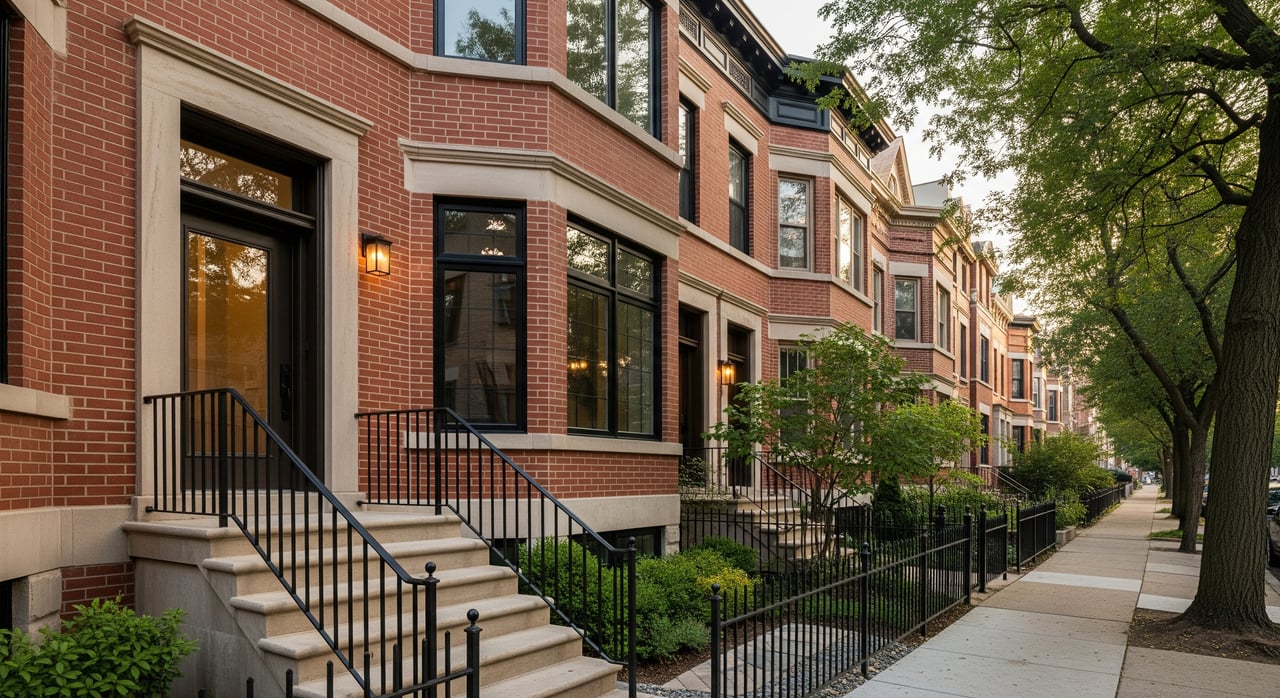
Pre-List Repairs That Pay Off in Ravenswood
November 21, 2025
November 21, 2025
Thinking about listing your Ravenswood home but not sure which fixes will actually pay off? You are not alone. Older brick homes and two-flats can shine with the right prep, yet surprises in inspections or permits can stall a sale. In this guide, you will learn which repairs matter most in Ravenswood, how to prioritize them, and how to plan your timeline and documentation so you list with confidence. Let’s dive in.
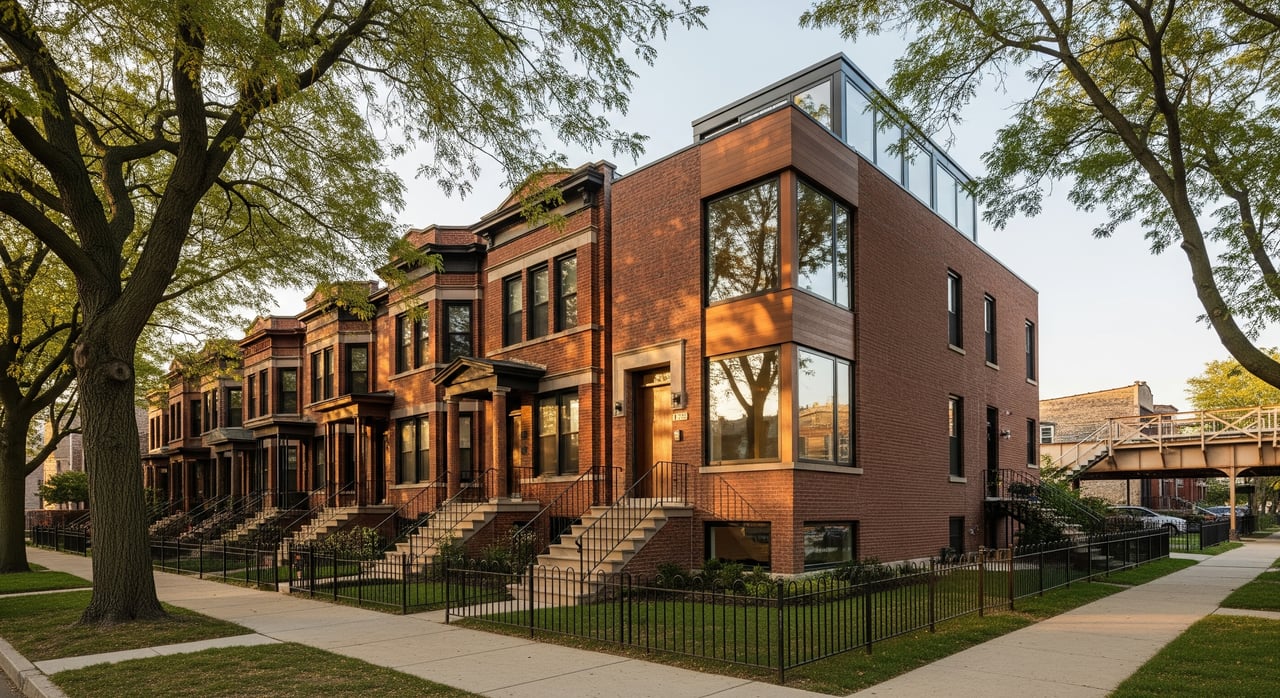
Ravenswood’s housing mix includes early 20th century masonry homes, two-flats, and greystones alongside newer infill. That character is a draw, but age can reveal issues like worn mortar, older electrical service, and porch or stoop deterioration. Local buyers focus on safe, functional systems, dry basements, and clean curb appeal. A targeted plan that addresses safety, major systems, and visible first impressions helps you protect your price and avoid inspection renegotiations.
Safety and legal compliance come first. When buyers see hazards or unpermitted work, they start calculating credits. Fix these items before photos and showings.
Outdated knob-and-tube wiring, small fuse panels, or overloaded service are common in older homes. These raise lender concerns and slow deals. Remedy known issues and consider a pre-list electrical check. Keep receipts and permit records for any upgrades.
Loose steps, failing railings, or compromised porch supports are red flags. Stabilize or replace damaged components, and secure permits if the work is structural. Clean, safe entries set the tone for the entire showing experience.
Confirm smoke detectors and carbon monoxide alarms are present and working in required locations. Check bedroom egress and exit pathways. These low-cost fixes build buyer confidence.
If your property was built before 1978, federal rules require a lead-based paint disclosure and delivery of the EPA pamphlet. Compile any records of prior testing or remediation for your listing packet.
Reliable systems reduce buyer resistance and keep lenders comfortable. Service records and warranties can be as valuable as the work itself.
In Chicago, heat is critical. Service furnaces or boilers, replace filters, and document recent maintenance or replacements. If equipment is near end-of-life, consider a proactive replacement to remove a major negotiation point.
Repair active leaks and address water pressure concerns. Flush and inspect the water heater, and label shut-offs. Keep receipts and the installation date handy for buyers.
Active leaks or curled shingles undermine trust fast. Repair or replace failing sections, clean gutters, and extend downspouts to move water away from the foundation. Proper drainage also supports a dry basement, which is a top buyer priority.
Brick and basements are part of Ravenswood living. Preventing moisture is a value protector.
Mortar joints and lintels can deteriorate over time. Targeted tuckpointing and verified flashing repairs limit moisture concerns and show responsible stewardship of a masonry home.
Drafty, single-pane, or poorly sealed windows reduce comfort and perceived efficiency. If full replacement is not in budget, improve weatherstripping, repair seals, and ensure smooth operation. Share invoices if recent upgrades were completed.
Signs of water intrusion, like stains or efflorescence, invite credits. Fix obvious leaks, evaluate grading, and direct downspouts away from the foundation. If professional waterproofing was done, present the scope, receipts, and any transferable warranty.
Cosmetics will not overcome a leaking roof, but they do help buyers connect emotionally and move fast on strong homes.
Neutral, fresh paint and repaired drywall brighten spaces and photograph well. Touch up trim, fill nail holes, and address scuffs. Aim for a clean, cohesive palette.
Refinish worn hardwoods or deep-clean and repair flooring where possible. Replace damaged carpet or tiles in high-traffic areas to remove buyer distractions.
Targeted updates can outperform full renovations for resale. Consider new cabinet hardware, modern faucets, refreshed grout and caulk, updated lighting, and a modest countertop swap if needed. Keep the scope tight and aligned with neighborhood comps.
Replace dated light fixtures and yellowed outlets or faceplates. Consistent finishes on knobs, pulls, and hinges help rooms feel updated at a low cost.
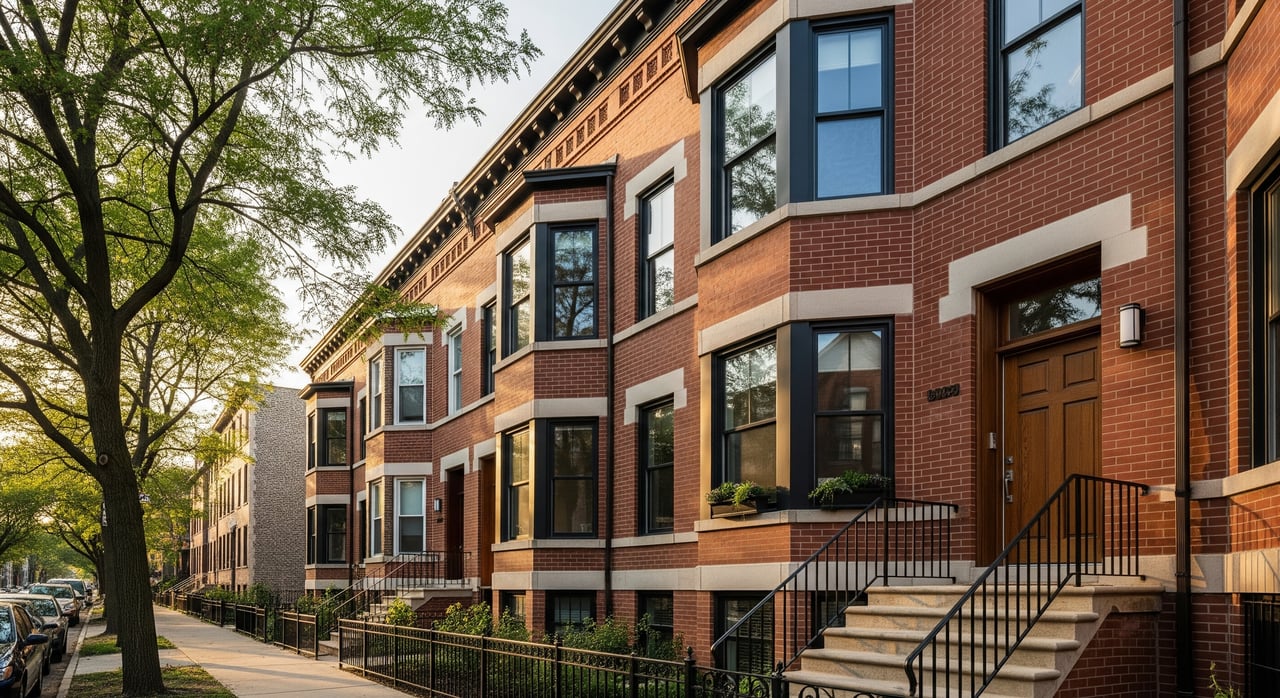
First impressions matter on walkable Ravenswood streets lined with porches and mature trees.
Clean, paint, or stain porch elements and front doors. Tighten railings and replace damaged boards. Add simple, warm lighting that works on the first switch.
Edge and clean sidewalks, mulch beds, prune shrubs, and add container plants. Tidy, low-maintenance landscaping reads as well cared for, not high cost.
Repair broken fencing, confirm the garage door operates smoothly, and patch obvious driveway issues. In a neighborhood with limited parking, a functional garage adds clear value.
Chicago requires permits for many categories, including electrical, plumbing, roofing, and structural or porch work. If you completed past work without permits, discuss options to document or correct before listing. Illinois also requires a residential real property disclosure in most sales, and federal lead-based paint disclosures apply to pre-1978 homes. Understanding local transfer taxes and how repair credits affect your net helps you plan ahead with your attorney or agent.
Permits can take time, so start early. The right sequence keeps you from opening walls twice or delaying photography.
Being organized can be as powerful as a new appliance. Create a simple “home book” that includes:
Highlight completed, permitted work with dates and warranties. Note basement waterproofing scope and transferable coverage if applicable. Share key receipts with buyer agents early to reduce friction and support your price.
Targeted, market-appropriate updates usually outperform large, luxury projects at resale. In Ravenswood, align your scope with neighborhood comps. Focus on safety, systems, and moisture control first, then add cosmetic refreshes that show well in photos and at the door.
If you want help coordinating vendors and fronting improvement costs, talk about concierge-style options. Many sellers prefer a streamlined, end-to-end approach that covers staging, repairs coordination, and inspections so they can list faster with fewer surprises.
Ready to build your plan for a top-dollar Ravenswood sale? Connect with Patrick O'Brien to prioritize repairs, coordinate trusted vendors, and present your home with confidence.
Stay up to date on the latest real estate trends.

Whether guiding a first-time buyer, marketing a luxury listing, or producing on-camera content, Patrick leads with professionalism, creativity, and care. His clients and colleagues value his integrity, strategic thinking, and unwavering work ethic.
Patrick O'Brien
Office Address
2350 NORTH LINCOLN AVE 3RD FLR
CHICAGO IL 60614