Pricing a Gold Coast luxury condo is part data science, part storytelling. If you set the number too high, you sit. Too low, you risk leaving money on the table. You want a price that respects the market, highlights your condo’s advantages, and attracts qualified buyers. This guide shows you how to do exactly that, using local value drivers, a tight CMA process, and proven strategies tailored to Chicago’s Gold Coast. Let’s dive in.
Why Gold Coast pricing is different
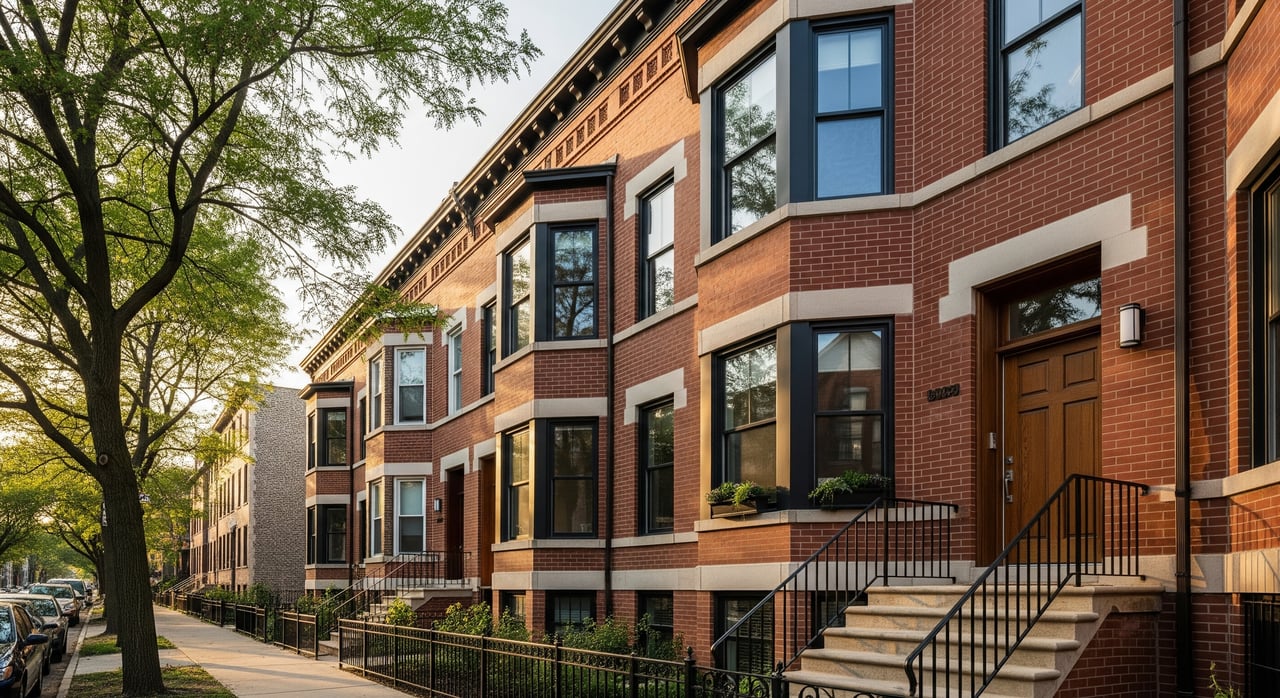
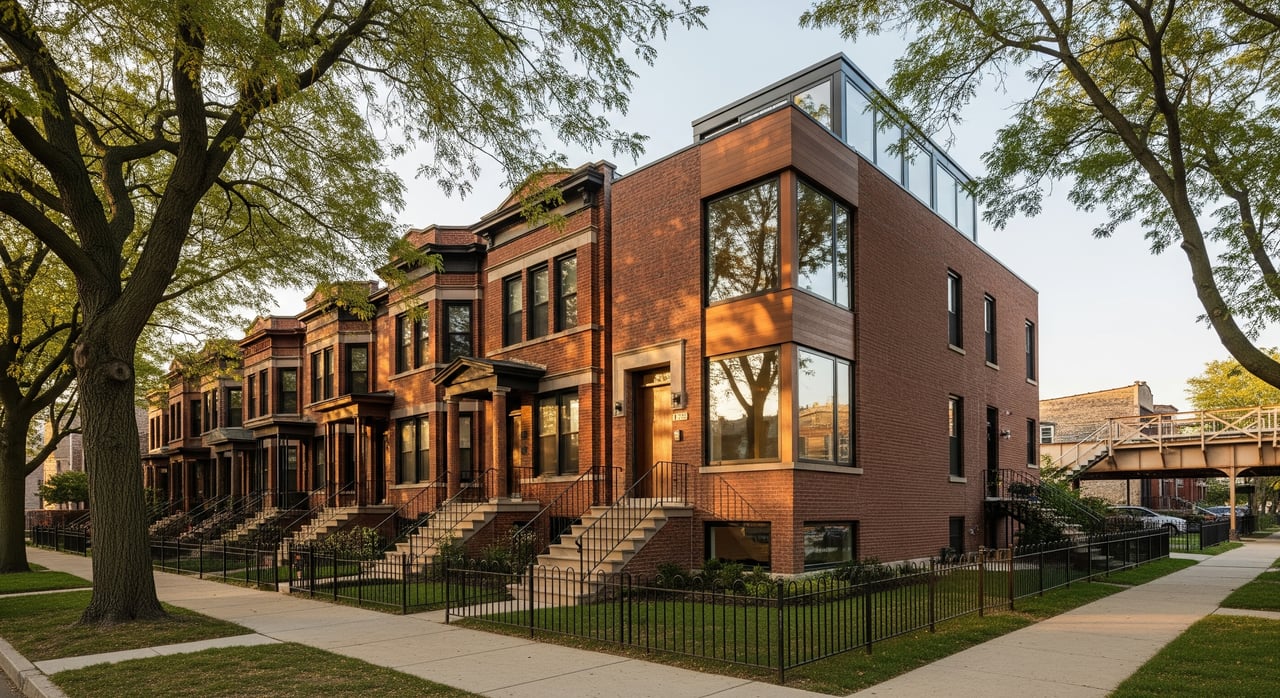
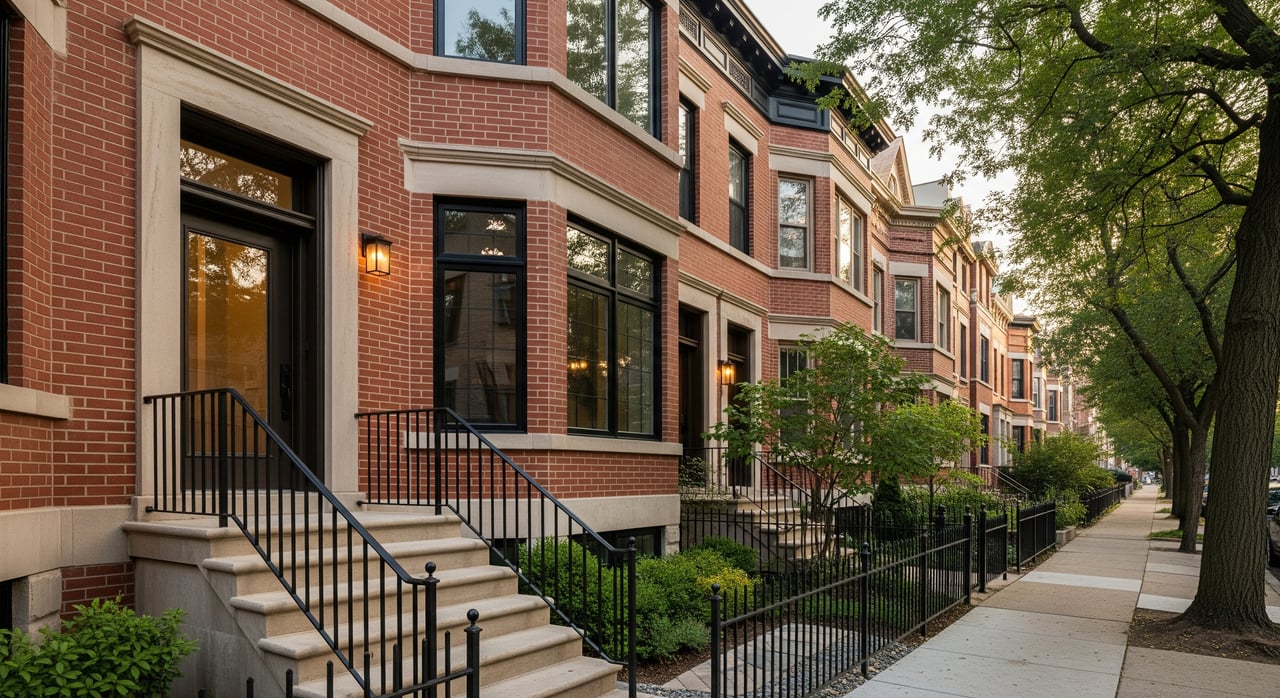
The Gold Coast is one of Chicago’s most established luxury condo markets with a mix of high-rise towers, boutique buildings, and historic residences near the lake and Magnificent Mile. Turnover is lower than average, and listings can be seasonal. Many buyers are local professionals, empty‑nesters, or out‑of‑state purchasers who are selective and patient.
Because sales in top buildings can be infrequent, pricing is not just about a quick glance at averages. You need building-specific comps, a close read on inventory, and a narrative that justifies your price through features, condition, and amenities.
What drives value in Gold Coast condos
Unit-level factors
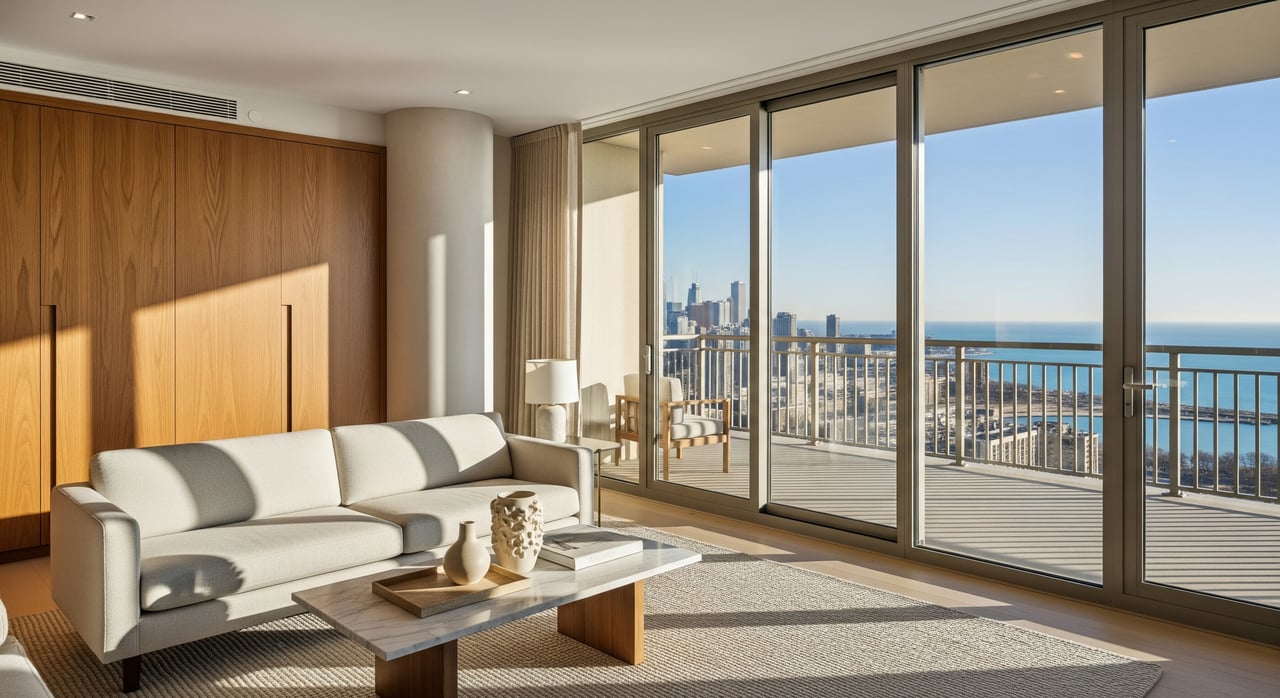
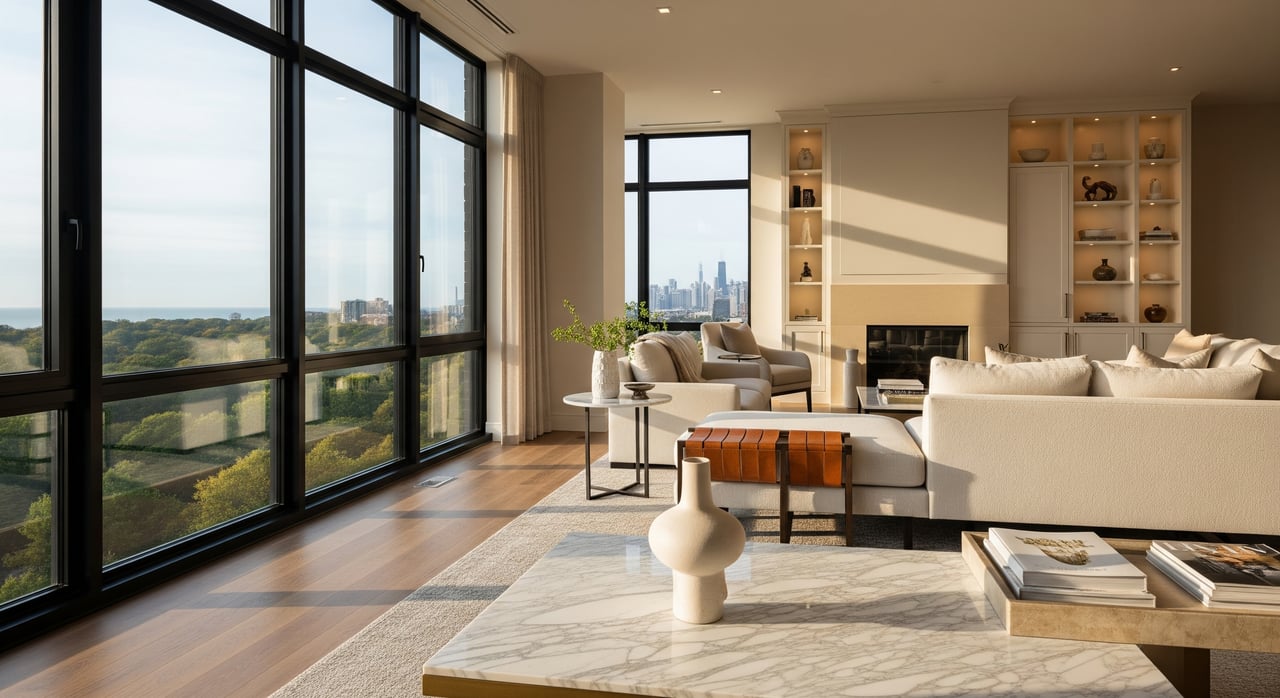
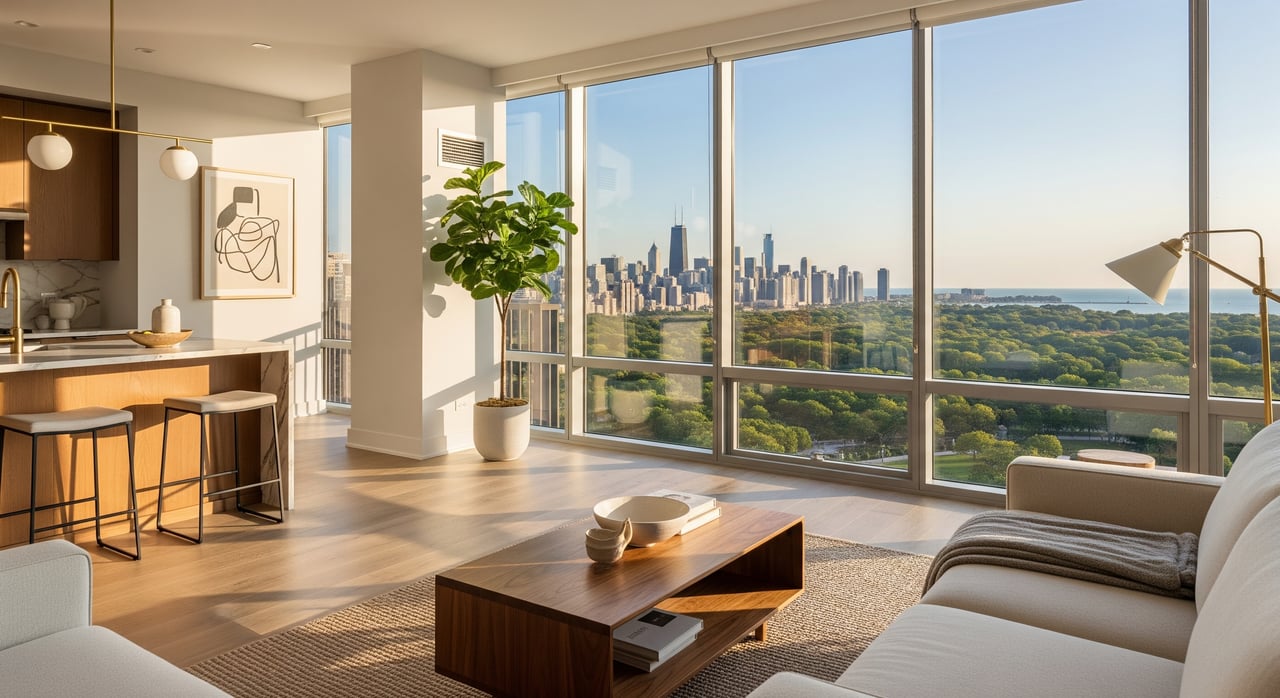
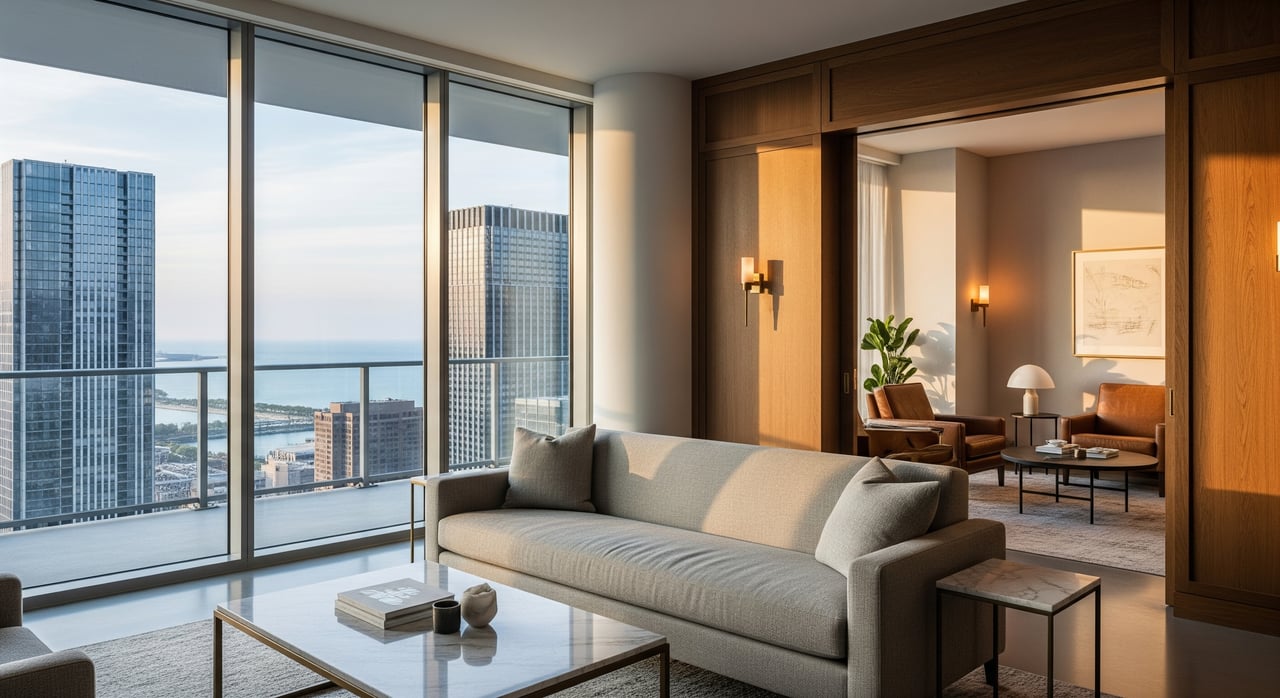
- Floor and exposure: Higher floors and lake, park, or skyline views usually command a premium. Orientation can change marketability.
- Size and layout: True usable square footage, ceiling heights, and functional floor plans matter as much as raw size.
- Condition and finishes: Recent, high-end renovations to kitchens, baths, HVAC, and windows support stronger pricing. Turnkey units reduce buyer pushback.
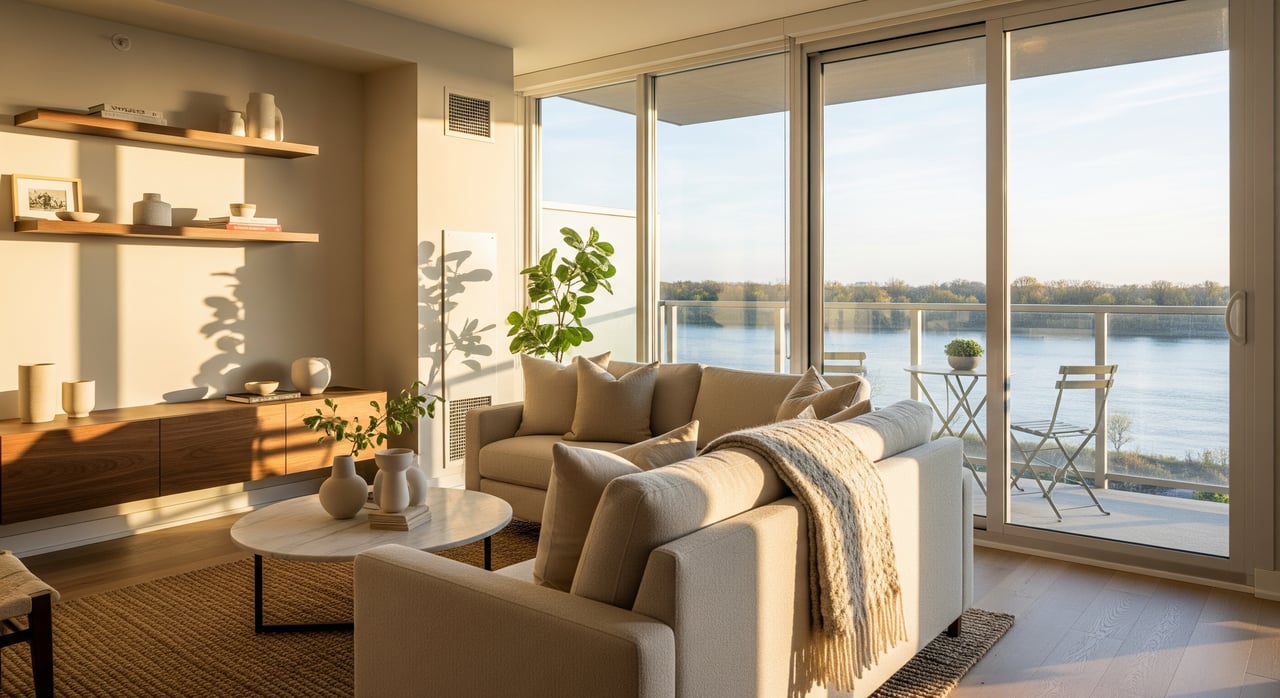
- Outdoor space: Large terraces or balconies add lifestyle value and can separate your listing from nearby options.
- Parking and storage: Deeded parking is a major pricing lever in the Gold Coast. Secure storage also helps.
- Unique features: Private elevator entry, service doors, and smart-home systems can justify meaningful adjustments.
Building and community factors
- Reputation and services: Full-service buildings with 24/7 door staff, concierge, spa, pool, private dining, and valet support higher prices.
- HOA fees and reserves: High monthly assessments reduce affordability and must be weighed against services and reserves. Pending or recent special assessments can affect value.
- Rental and pet policies: Rules shape the buyer pool and marketability.
- Sales history: Low turnover buildings may lack recent comps, which makes pricing more nuanced.
- Location advantages: Proximity to the lakefront, parks, transit, and luxury retail reinforces value.
External economic factors
- Mortgage rates and jumbo financing availability can expand or shrink the qualified buyer pool.
- Local employment and corporate trends influence demand for luxury inventory.
- Property taxes and transfer costs affect net proceeds and buyer willingness to pay.
How to build a precision CMA
Use local, authoritative sources for accuracy. Pull recent closed sales, active and pending listings, and expired or withdrawn listings from MRED/MLS. Review neighborhood trends from the Chicago Association of REALTORS. Verify assessments and recorded data through Cook County offices. Supplement with building documents for reserves, budgets, and rules.
Focus your CMA on:
- Same-building or nearest equivalent comps.
- The most recent 3 to 12 months of closed sales, prioritizing the newest closings. If you need to widen the window because of low turnover, document why.
- Clear adjustments for floor level, exposure, finish level, renovations, outdoor space, parking, storage, and size.
- Price per square foot as a reference, then reconcile for layout and unique features.
- HOA fee comparisons and the total monthly carrying cost versus nearby alternatives.
- Days on market and sale-to-list ratios to gauge buyer acceptance.
Smart listing price strategies
Choose a strategy based on your goals and the liquidity of your building and floor plan.
- Market-based pricing: The most effective approach for most sellers. Price within the zone of buyer acceptance using tight comps and clear adjustments.
- Value-based pricing: Consider this if your condo has rare features and you are not time-constrained. Expect longer market time and potential reductions.
- Slight under-pricing: This can work in high-demand pockets, but in luxury segments it can attract bargain hunters or undercut perceived prestige. Use sparingly.
- Private or off-market: For sellers who value privacy or who have a known pool of buyers. Pricing discipline still applies.
Price presentation and psychology
- Align the number with your marketing story. Lead with unique selling points like views, services, and renovations.
- Test local conventions. Many luxury agents prefer clean whole numbers, for example $1,250,000.
- Pair your price with premium presentation. Professional photography, twilight exteriors, and detailed floor plans shape how buyers perceive value.
Timing, presentation, and pricing power
- Pre-list improvements: A targeted kitchen refresh, hardware and lighting updates, paint, staging, and small repairs can expand your buyer pool and support a higher list.
- Pre-market exposure: Host a broker preview, curate outreach to high-net-worth buyers and relocation partners, and align the launch with peak luxury seasons. Spring and early fall are typically stronger in Chicago.
- Risk management: Consider a pre-inspection or pre-appraisal if you anticipate appraisal friction or financing complexity.
Reading the market while listed
Your first 2 to 4 weeks tell you if the price and presentation are working. Track showings, feedback, and competing listings. If qualified traffic is light or feedback repeats the same concerns, consider a strategic refresh.
If you reduce price, do more than drop the number. Update photos, retitle the listing description, and add or clarify value points. Shifting from broad market exposure to a private network can also be effective if you want to recalibrate without adding days on market.
Negotiating offers in the luxury tier
Expect fewer but more deliberate offers. Review the whole package, not just the price:
- Buyer strength: Cash vs jumbo financing, proof of funds, and lender quality.
- Timing: Flexibility on closing can be valuable.
- Contingencies: Inspection, financing, and appraisal terms can outweigh small price differences.
Appraisals can be subjective in luxury buildings with unique floor plans. Be prepared to request appraisal contingency waivers from strong buyers, negotiate credits, or plan for a bridge if a shortfall occurs.
For buyers: making sense of list price
List price is a starting point, not a conclusion. In low-turnover buildings, sellers may price to expectations more than recent comparables. Review the unit’s premiums and the building’s financial health, rules, and services. Study closed sales and competing listings. If a seller’s adjustments overshoot the market, calibrate your offer to recent verified sales and your comfort with appraisal risk.
Complete due diligence on:
- HOA financials, reserves, budgets, and recent meeting minutes to identify assessments or major projects.
- Rental and subletting rules if you plan to lease.
- Litigation and insurance structures.
- Tax history and assessed value trends.
- Deeded parking and storage confirmations.
What to prepare before you price
Assemble a complete listing package so your price stands up to scrutiny:
- Professional photos and video, including twilight and lakeview angles when relevant.
- Accurate floor plan and measured square footage.
- Recent utility and property tax figures.
- HOA documents: bylaws, budget, reserve study, and meeting minutes.
- Building amenity and staffing list.
- Title confirmations for parking and storage.
Report these metrics to set expectations:
- Recommended list price range and the rationale.
- Estimated days on market based on similar luxury listings.
- Net proceeds after closing costs, transfer taxes, and typical concessions in Chicago and Cook County.
- Your break-even point including mortgage payoff and assessments.
Your next step
If you want a price that reflects the market and showcases your condo’s strengths, pair a tight CMA with standout presentation. With a concierge approach to staging and improvements, premium creative, and broad exposure, you can protect your pricing power and move confidently to the closing table.
If you are considering a sale in the Gold Coast, connect with Patrick O’Brien to start with a free, data-backed valuation and a plan to maximize your result.
FAQs
How should a seller in Chicago’s Gold Coast set a list price?
- Use a CMA anchored to the same building or immediate peers, adjust for floor, exposure, finishes, outdoor space, and parking, and frame the price within recent 3 to 12 month closings.
What adds the most value to a Gold Coast luxury condo?
- Higher floors with strong views, recent high-end renovations, sizable outdoor space, and deeded parking typically command the largest premiums.
How do HOA fees affect pricing in the Gold Coast?
- Higher assessments reduce net affordability, so buyers compare total monthly costs across buildings; strong services and healthy reserves can justify higher fees.
When is it smart to test an off-market listing in the Gold Coast?
- Consider it if you prioritize privacy or have a known pool of qualified buyers, but keep pricing aligned with comps to achieve your target net.
How long should I wait before reducing price on a Gold Coast condo?
- If the first 2 to 4 weeks bring limited qualified showings or consistent negative feedback, reassess price and presentation before making a strategic reduction.
How much is deeded parking worth in the Gold Coast?
- It can materially impact price; quantify by comparing recent sales with and without parking in the same building or block and adjust your CMA accordingly.
What should buyers review before offering on a Gold Coast condo?
- Analyze HOA financials and minutes, rental rules, litigation and insurance details, tax history, and confirm deeded parking and storage to understand value and risks.