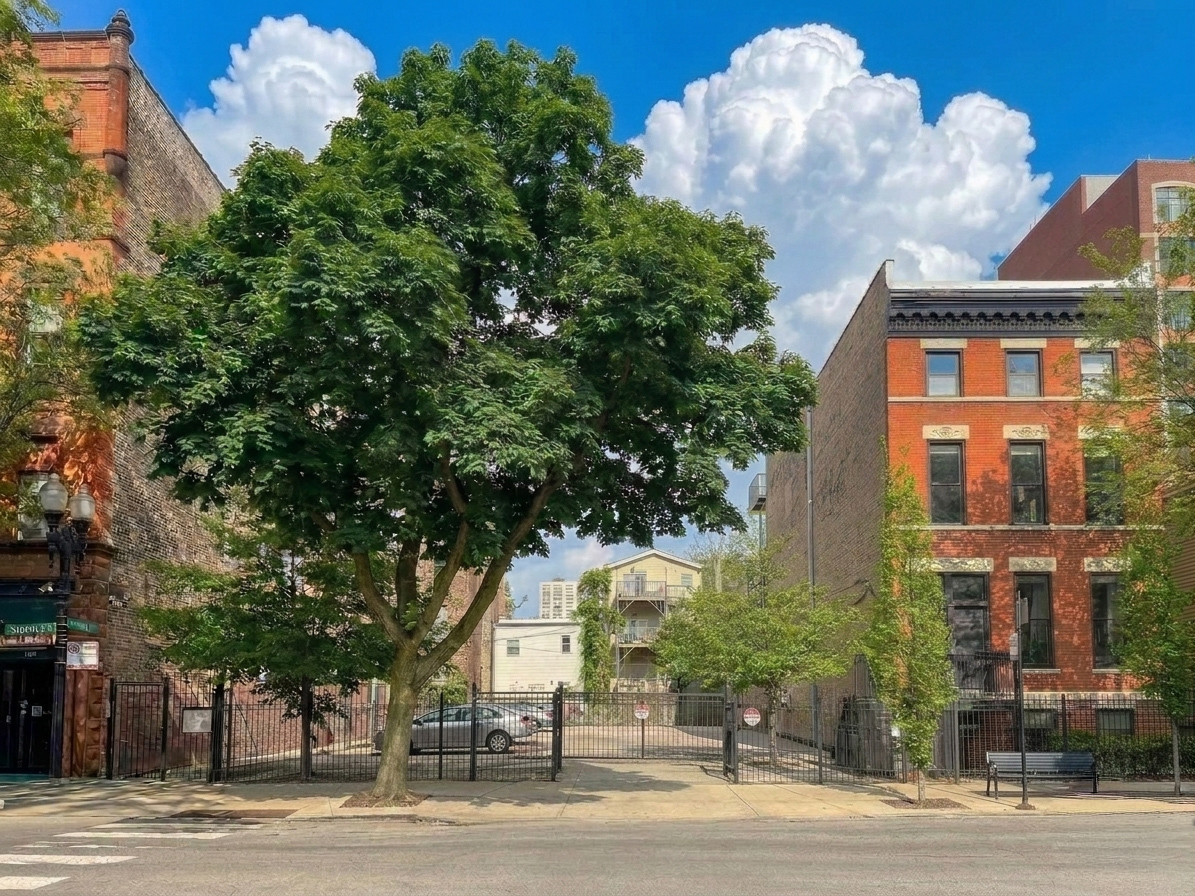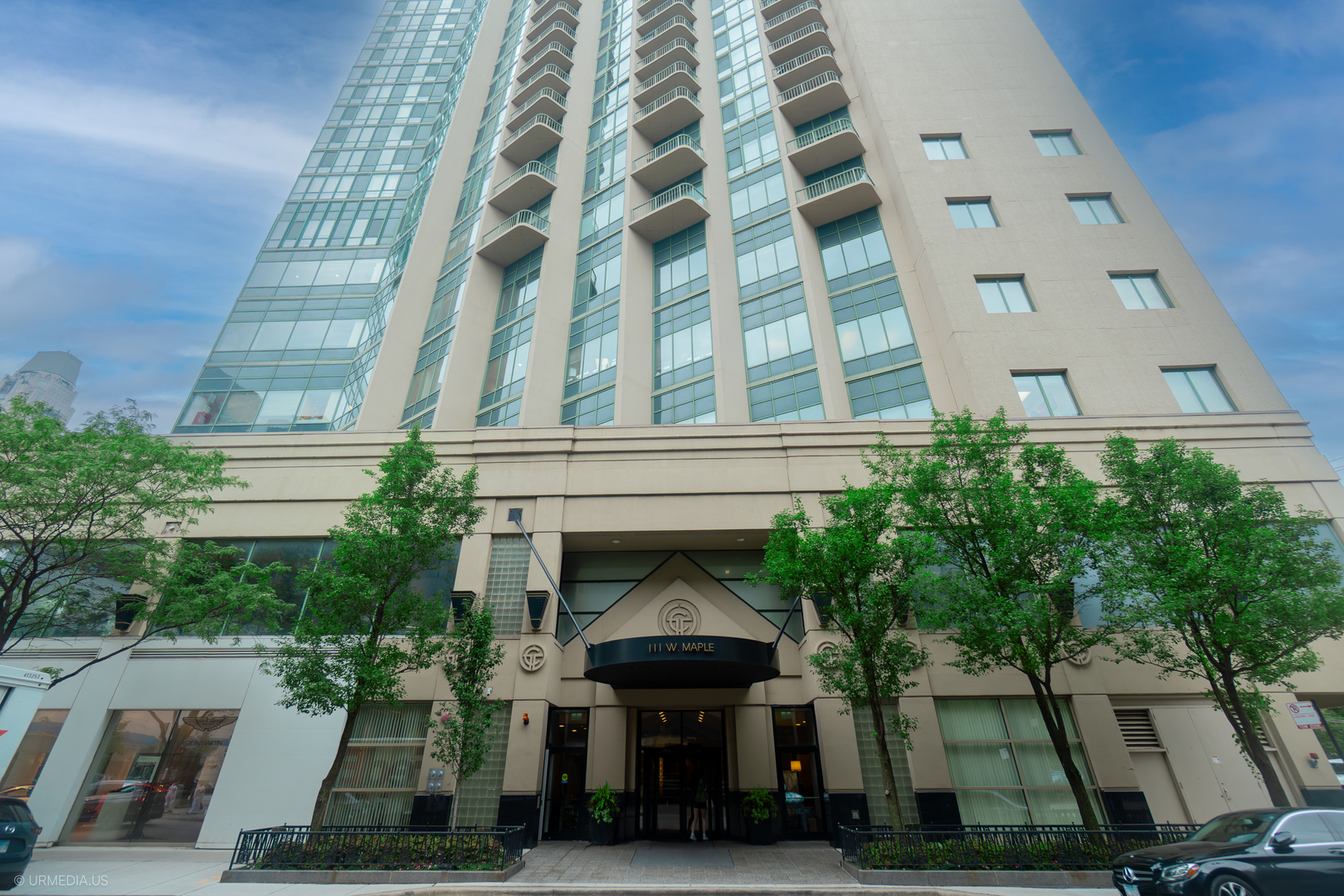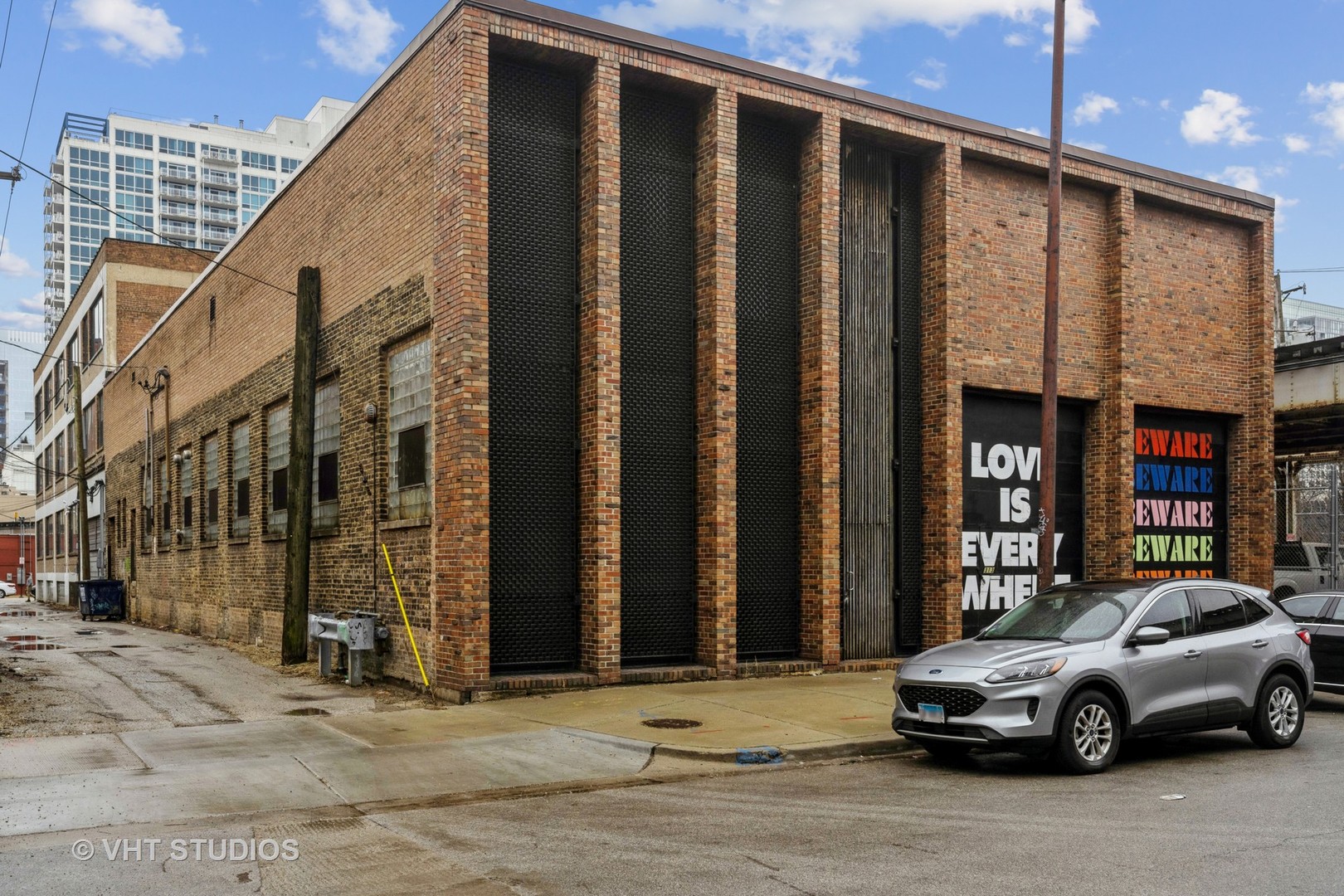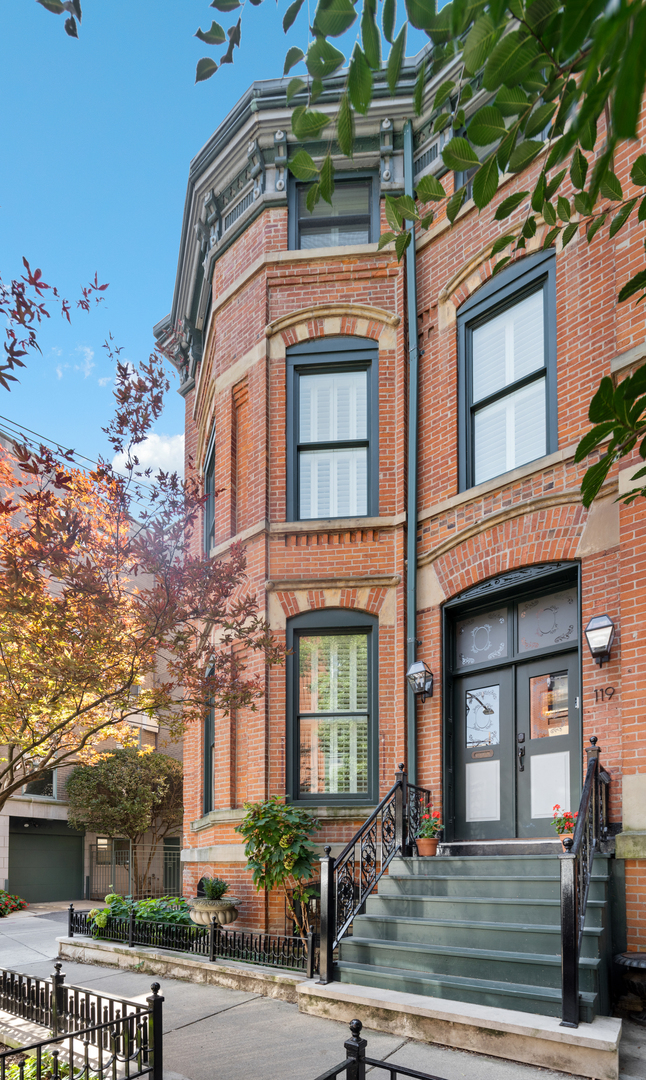
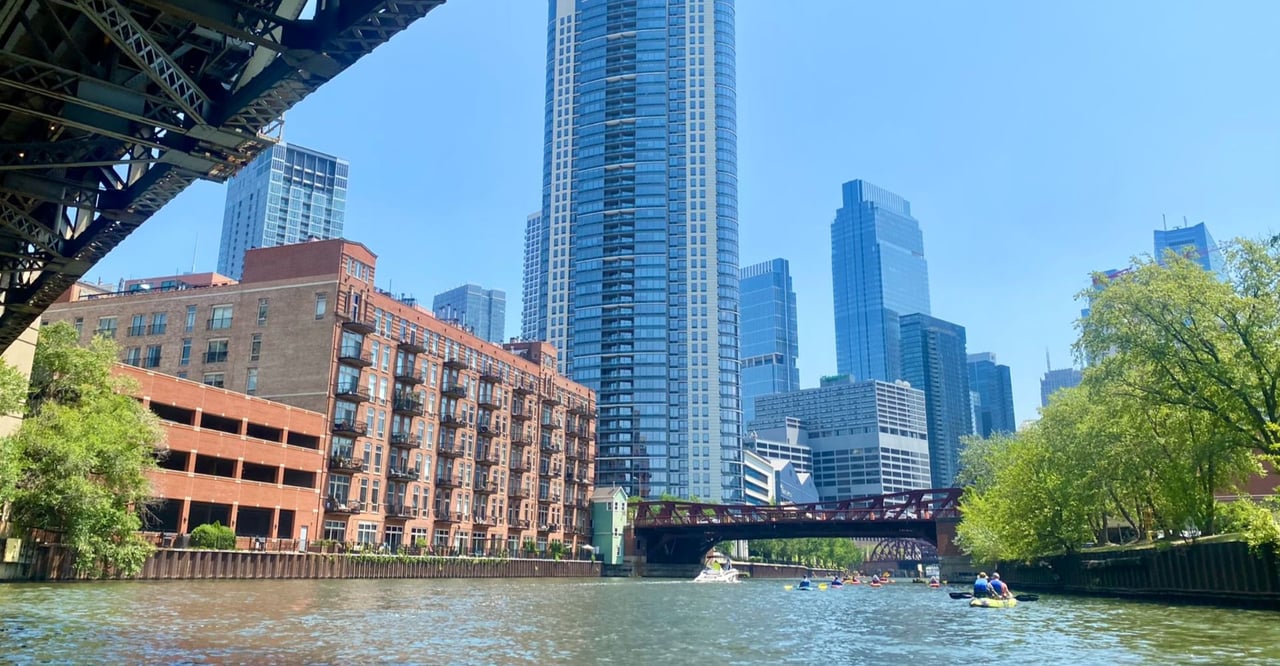
Old Town combines historic residential architecture with an energetic dining, comedy, and cultural scene. Along tree-lined residential streets, restored workers’ cottages and Victorian-era row houses sit near vintage condominiums, contemporary elevator buildings, and newer residential towers. The contrast is part of the neighborhood’s appeal: an intimate, architecturally distinctive setting with convenient access to downtown Chicago.
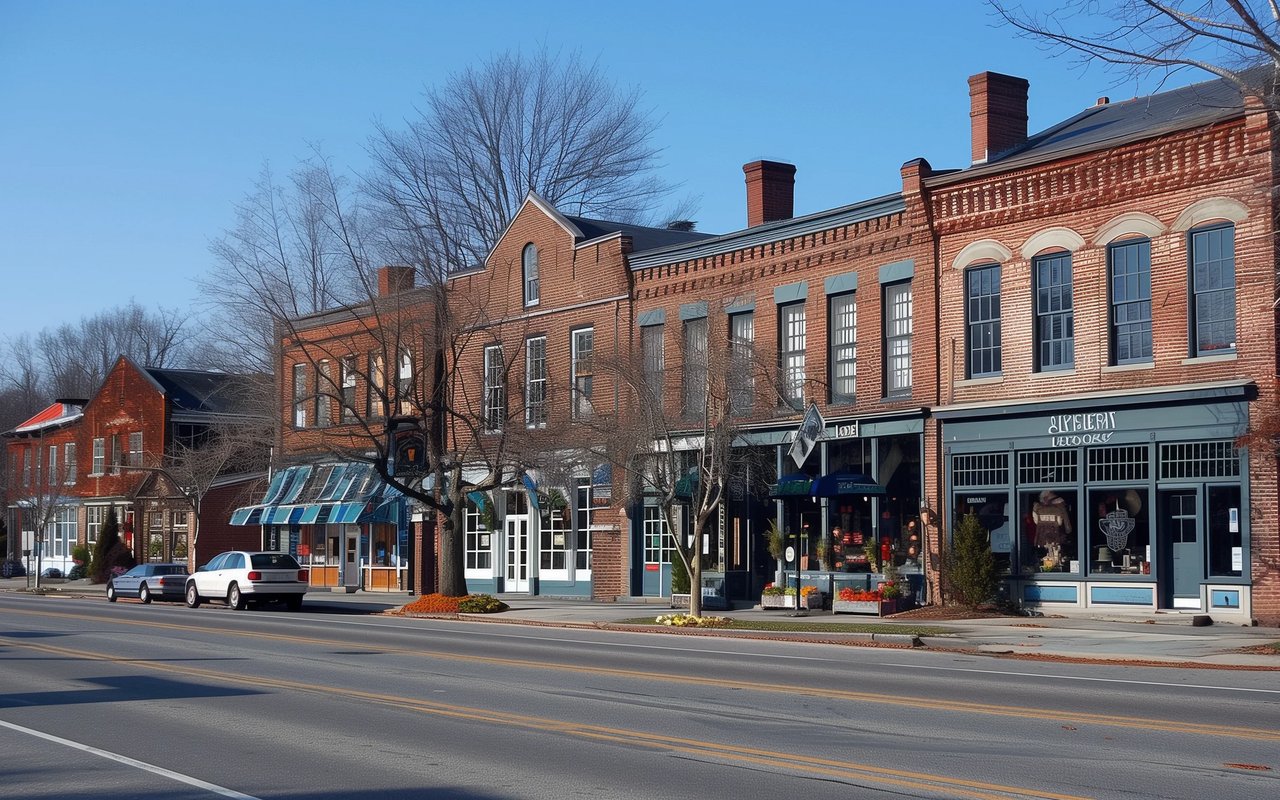
Wells Street is a central destination for restaurants, cafés, independent shops, and nightlife. The Second City and Zanies Comedy Club are longtime cultural landmarks, while the Old Town Art Fair reflects the neighborhood’s creative traditions. Nearby Lincoln Park, North Avenue Beach, and the lakefront paths offer additional outdoor recreation. Buyers value the ability to walk or bike to daily amenities while remaining close to River North, Gold Coast, and Lincoln Park.
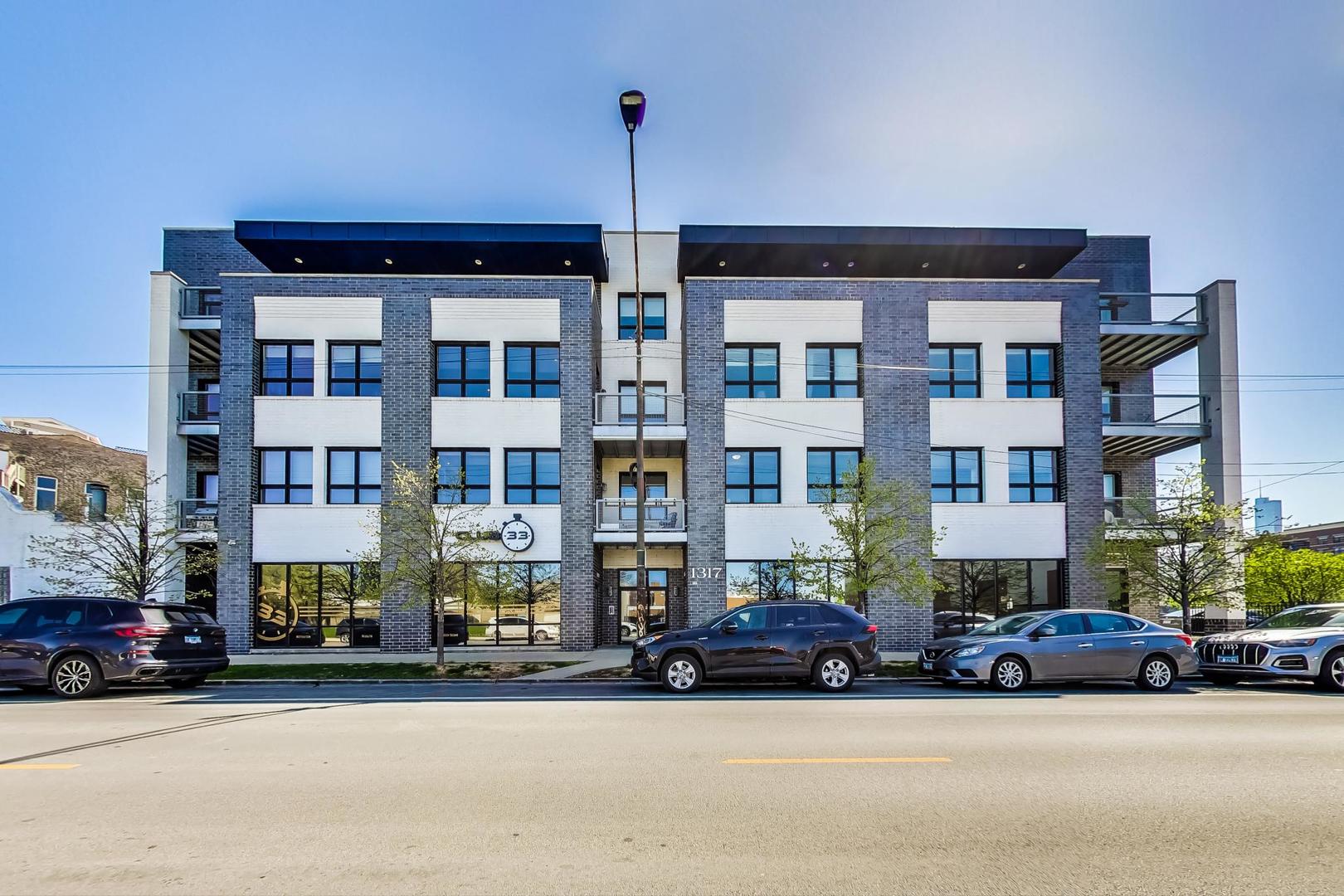
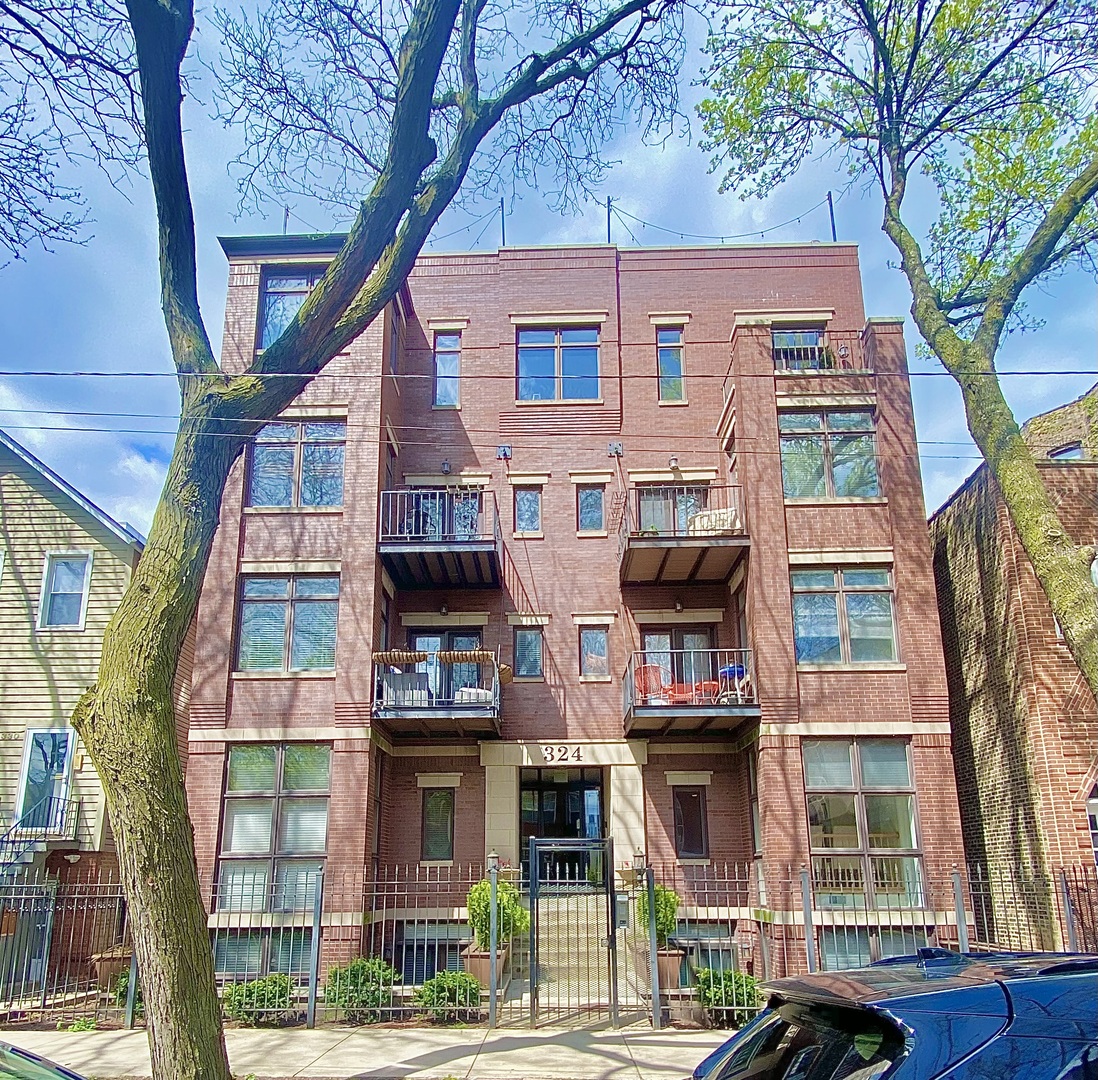
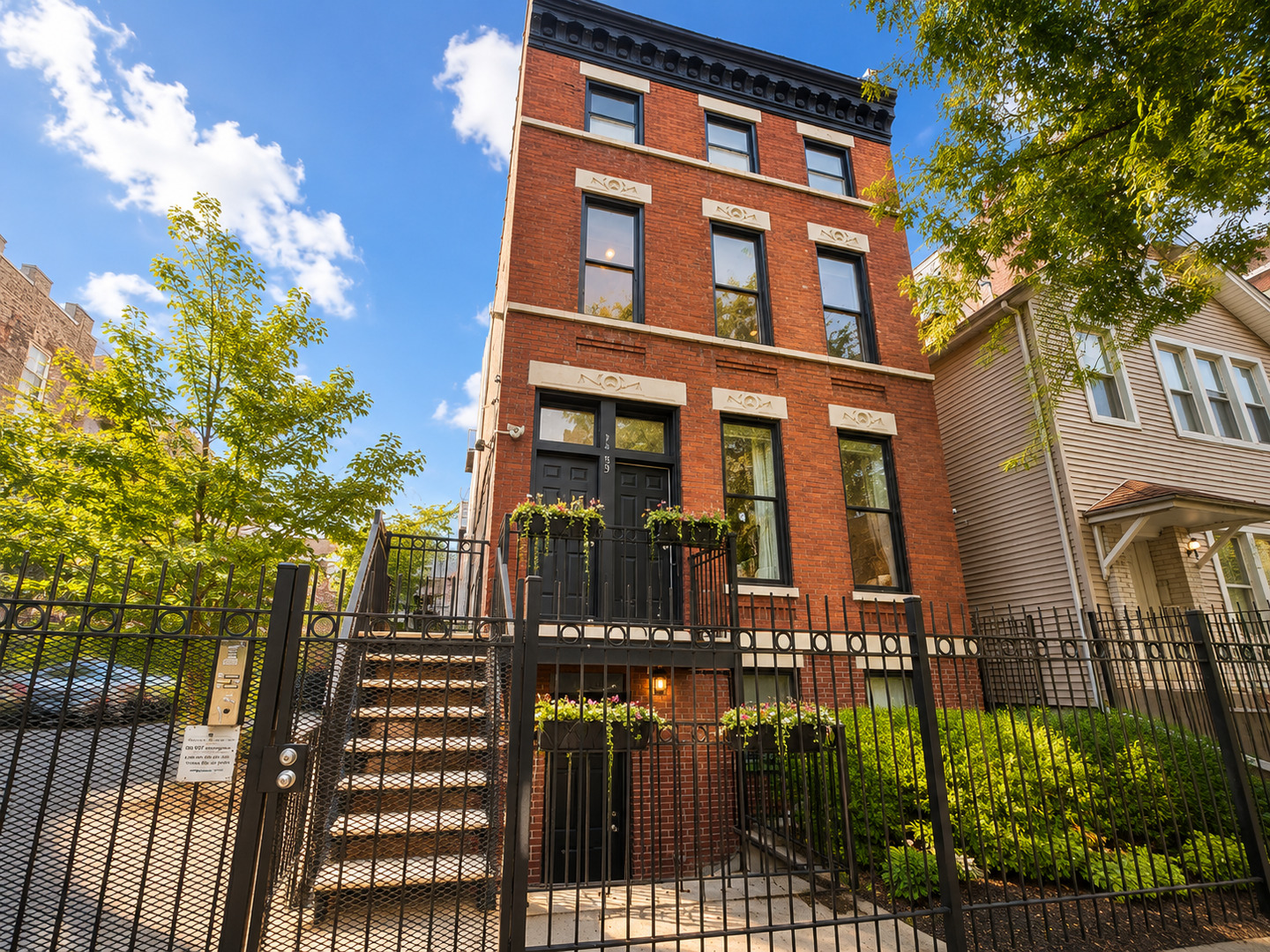
Old Town’s housing ranges from nineteenth-century row houses and renovated cottages to vintage walk-up condominiums, townhomes, mid-rise elevator buildings, and modern high-rise residences. Some historic homes retain original woodwork, decorative moldings, fireplaces, stained or leaded glass, and distinctive exterior ornamentation. Others have been extensively reconfigured for contemporary living.
Condominium options vary widely in association size, services, and amenities. Smaller associations may offer a more intimate setting but spread major capital expenses among fewer owners. Larger buildings may provide elevators, parking, rooftop terraces, pools, and other amenities, along with more complex operating budgets. Individual properties should be evaluated on their merits rather than assumed to have the same features or costs.
For condominium purchases, review association budgets, reserves, meeting minutes, recent and planned capital projects, special assessments, insurance, and applicable rules. In older buildings, investigate the age and condition of roofs, windows, masonry, plumbing, and heating systems. Determine whether heating is centrally supplied through a boiler or controlled through individual equipment, and whether parking or storage is included, assigned, or separately owned.
Outdoor spaces merit particular attention. For a rooftop deck, buyers should understand the deck’s approval and maintenance arrangements, roof condition, waterproofing, and future access for roof replacement. Elevator age and anticipated repairs can be significant considerations in buildings with elevators.
For historic single-family homes, evaluate the quality and documentation of renovations, structural and mechanical systems, lot dimensions, basement conditions, and any applicable historic-district requirements. Finished basements should not be counted as legally habitable area without verifying permits, applicable ceiling-height and egress requirements, and the basis for advertised square footage. Original architectural features can be appealing, but condition and functional layout still matter.
The Old Town Triangle is especially associated with the neighborhood’s historic streetscape and residential scale. The Wells Street and Division Street corridors offer a more active mix of restaurants, entertainment, and retail. Newer residential development farther south along Wells Street has introduced additional high-rise rental and condominium options, changing the scale of portions of the broader area.
Old Town offers access to CTA buses and nearby rail stations, including the Brown and Purple Line station at Sedgwick and the Red Line at Clark/Division. The elevated tracks can be audible near certain properties, so buyers sensitive to train noise should assess the specific location at different times. Proximity to shopping, parks, the lakefront, and downtown remains a major practical advantage.
Old Town’s desirability and central location can produce pricing comparable with nearby premium neighborhoods, even when a vintage property has smaller closets, a more traditional floor plan, or fewer modern conveniences. Buyers should compare not just asking prices but also building condition, association obligations, taxes, parking, outdoor space, and the extent and quality of renovations.
The neighborhood includes both lively commercial corridors and quieter residential blocks. Buyers should experience the immediate surroundings in the daytime and evening to determine whether the setting suits their preferences.
Effective positioning begins with property-specific comparable sales: usable layout, bedroom and bathroom count, interior condition, renovation quality, parking, outdoor space, and proximity to amenities. For historic homes, carefully preserved details and documented improvements can distinguish a listing. For condominiums, clear information about association finances, recent capital work, assessments, and building amenities helps buyers evaluate value and risk.
Roof decks, balconies, patios, and garages may strengthen market appeal, but their condition, ownership rights, permits, and ongoing costs should be accurately represented. A thoughtful presentation should highlight the property’s architectural identity and lifestyle advantages without assuming every improvement yields an equivalent increase in sale price.
324 W Evergreen Avenue, Unit 2W, Chicago, IL 60610 — a past transaction represented by Patrick O’Brien in the Old Town area.
Explore available listings in the area.
25,298 people live in Old Town, where the median age is 35 and the average individual income is $98,112. Data provided by the U.S. Census Bureau.
Total Population
Median Age
Population Density Population Density This is the number of people per square mile in a neighborhood.
Average individual Income
There's plenty to do around Old Town, including shopping, dining, nightlife, parks, and more. Data provided by Walk Score and Yelp.
Explore popular things to do in the area, including Synergize Chicago, Peaches’ Sweets And Something More, and Evergreen Food Mart.
| Name | Category | Distance | Reviews |
Ratings by
Yelp
|
|---|---|---|---|---|
| Dining | 0.1 miles | 0 reviews | 0/5 stars | |
| Dining | 0.1 miles | 0 reviews | 0/5 stars | |
| Dining | 0.28 miles | 0 reviews | 0/5 stars | |
| Active | 0.1 miles | 0 reviews | 0/5 stars | |
| Active | 0.1 miles | 0 reviews | 0/5 stars | |
| Active | 0.16 miles | 0 reviews | 0/5 stars | |
| Active | 0.45 miles | 0 reviews | 0/5 stars | |
| Active | 0.46 miles | 8 reviews | 5/5 stars | |
| Active | 0.46 miles | 3 reviews | 5/5 stars | |
| Active | 0.49 miles | 0 reviews | 0/5 stars | |
| Active | 0.54 miles | 0 reviews | 0/5 stars | |
| Nightlife | 0.5 miles | 332 reviews | 4.2/5 stars | |
| Beauty | 0.13 miles | 1 review | 1/5 stars | |
| Beauty | 0.17 miles | 0 reviews | 0/5 stars | |
| Beauty | 0.31 miles | 0 reviews | 0/5 stars | |
| Beauty | 0.38 miles | 0 reviews | 0/5 stars | |
| Beauty | 0.52 miles | 0 reviews | 0/5 stars | |
| Beauty | 0.53 miles | 1 review | 5/5 stars | |
|
|
||||
|
|
||||
|
|
||||
|
|
||||
|
|
||||
|
|
Old Town has 13,478 households, with an average household size of 2. Data provided by the U.S. Census Bureau. Here’s what the people living in Old Town do for work — and how long it takes them to get there. Data provided by the U.S. Census Bureau. 25,298 people call Old Town home. The population density is 73,838 and the largest age group is Data provided by the U.S. Census Bureau.
Total Population
Population Density Population Density This is the number of people per square mile in a neighborhood.
Median Age
Men vs Women
Population by Age Group
0-9 Years
10-17 Years
18-24 Years
25-64 Years
65-74 Years
75+ Years
Education Level
Total Households
Average Household Size
Average individual Income
Households with Children
With Children:
Without Children:
Marital Status
Blue vs White Collar Workers
Blue Collar:
White Collar:
Whether you're preparing to sell, beginning a home search or simply trying to understand your options, let's have a conversation about your goals and the market.
Patrick O'Brien
Office Address
2350 NORTH LINCOLN AVE 3RD FLR
CHICAGO IL 60614