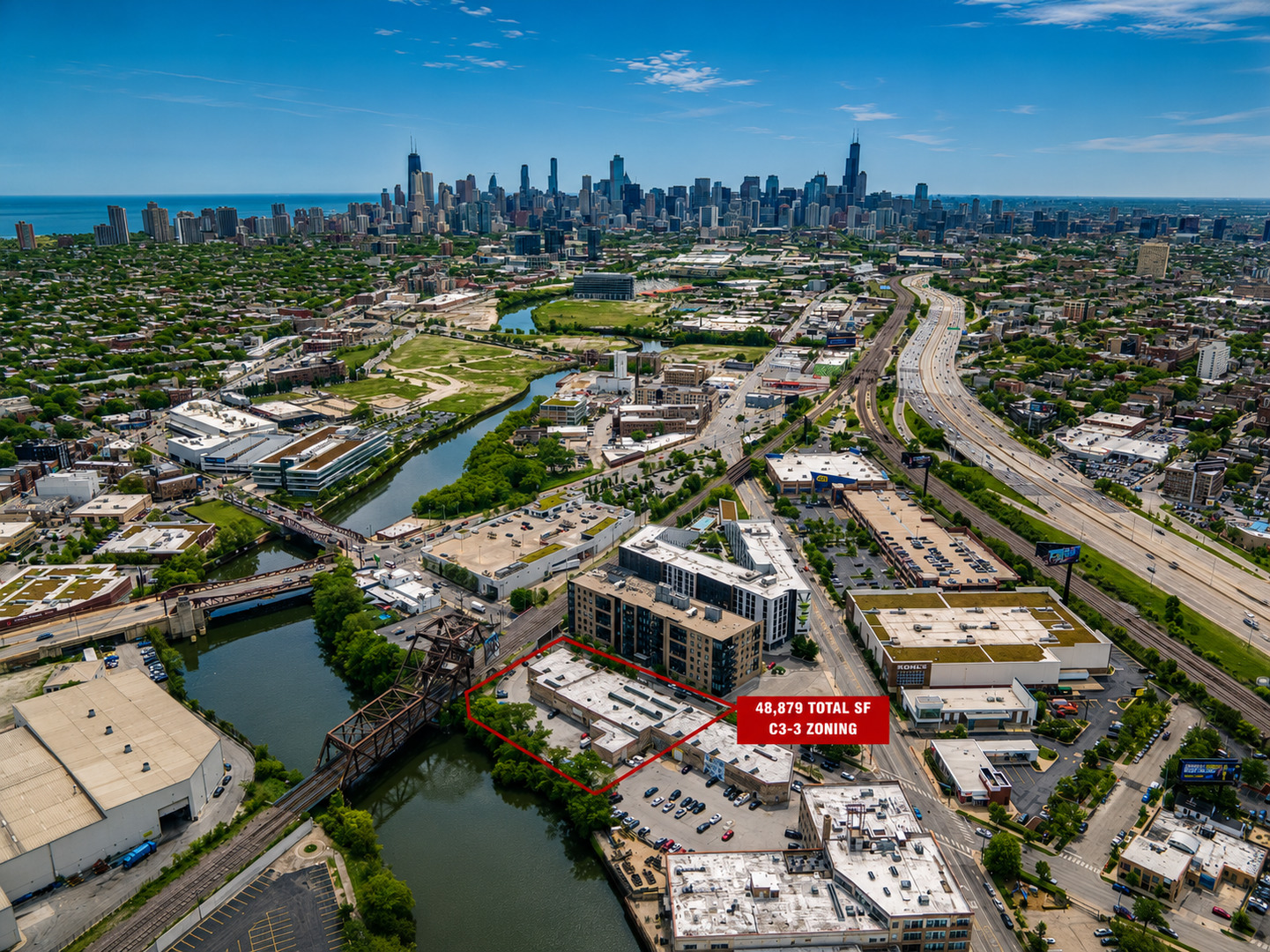
Wicker Park and Bucktown are two of Chicago's most recognizable residential neighborhoods, and from a real estate perspective I think they make sense to consider together. Both combine a highly active neighborhood environment with an unusually broad range of housing, while individual blocks and commercial corridors can feel very different from one another.
Restaurants, independent shops, coffee shops, nightlife and cultural activity are part of the attraction. Move away from the major corridors, however, and the environment can change quickly. Quiet residential blocks contain worker cottages, two- and three-flats, vintage condominiums, historic homes, contemporary construction and substantial single-family properties.
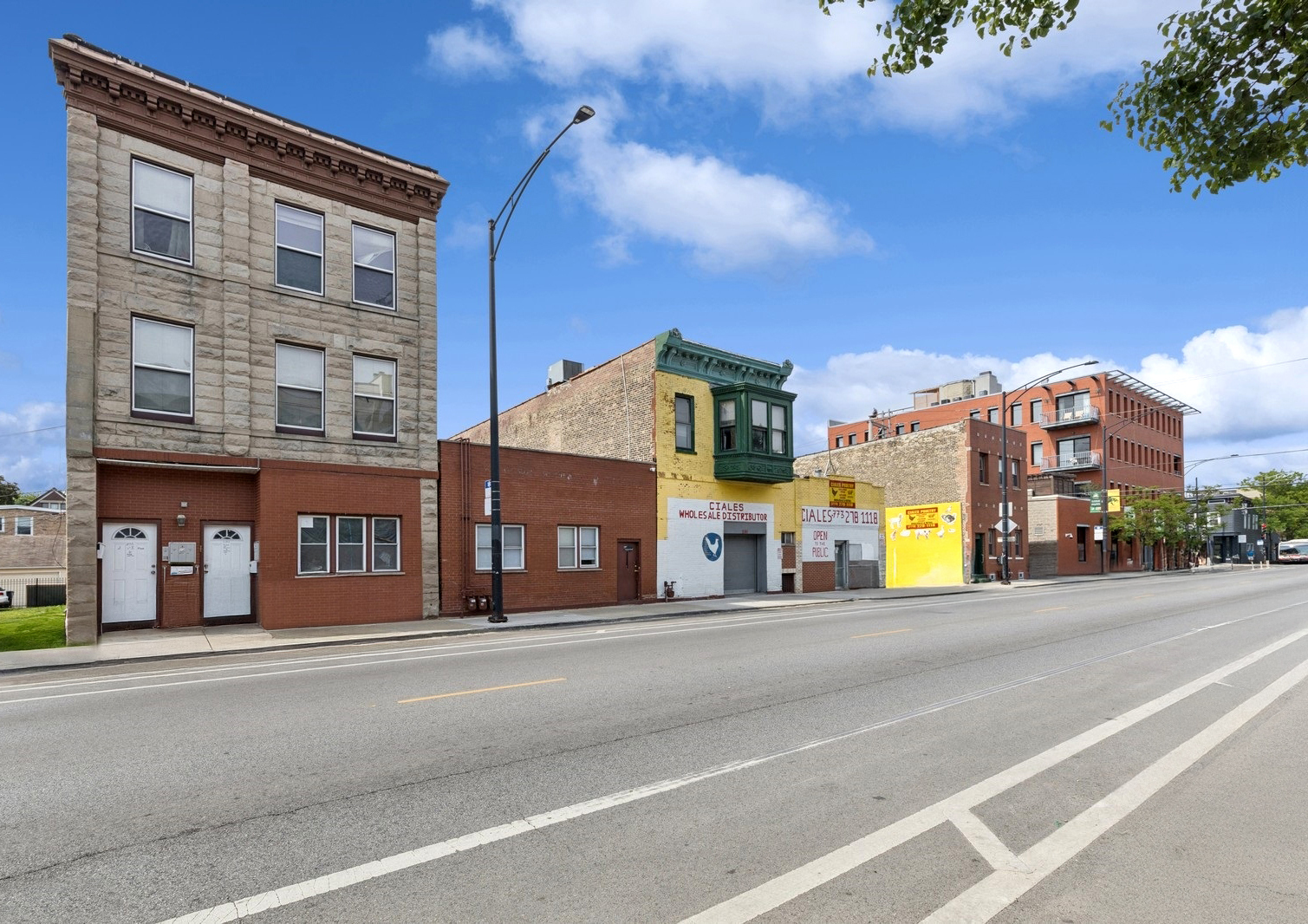
The neighborhoods have a long architectural history rooted in traditional Chicago working-class housing. Smaller brick homes, worker cottages and two- and three-flats remain visible throughout the area. Decades of redevelopment have added renovated vintage properties, condominium conversions, lofts, boutique condominium buildings and newer construction.
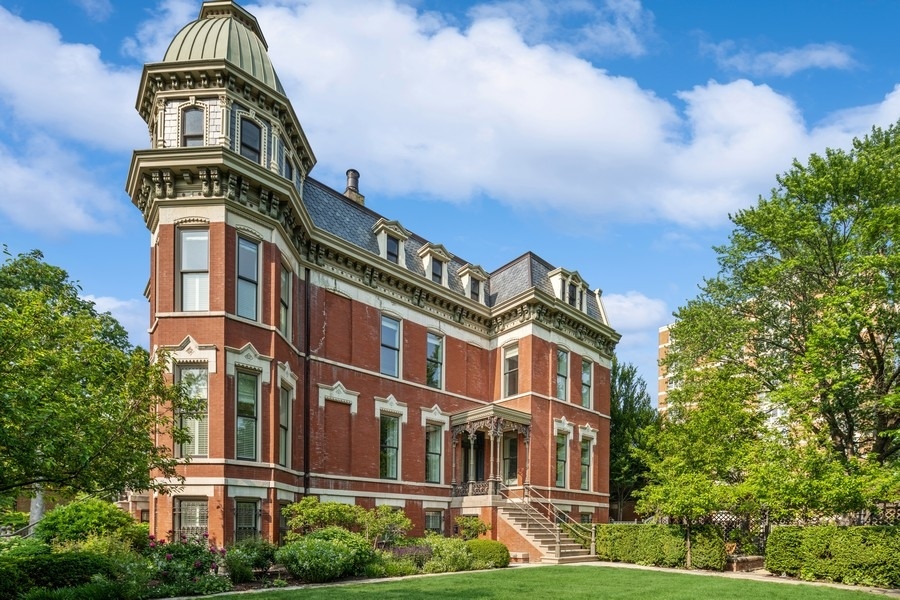
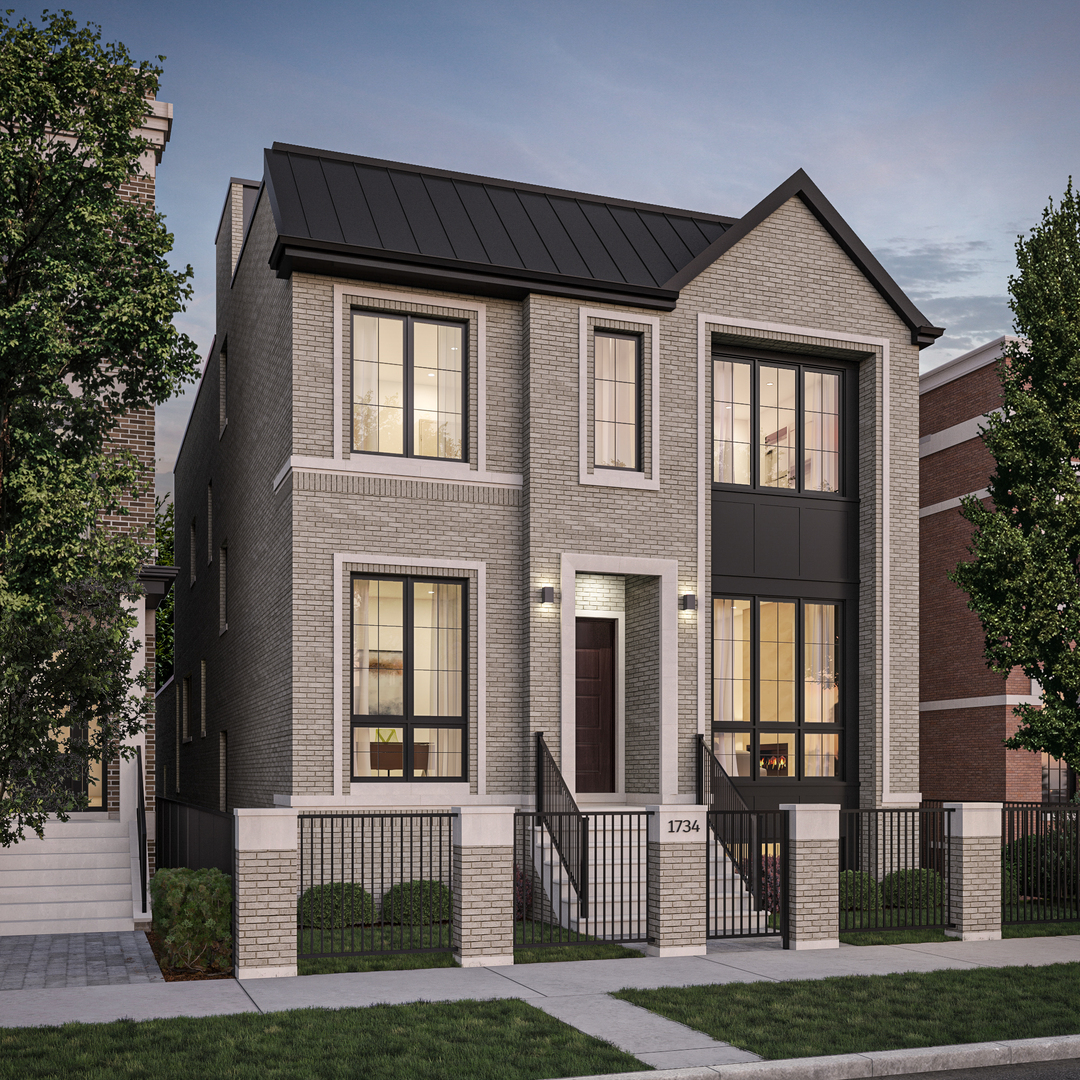
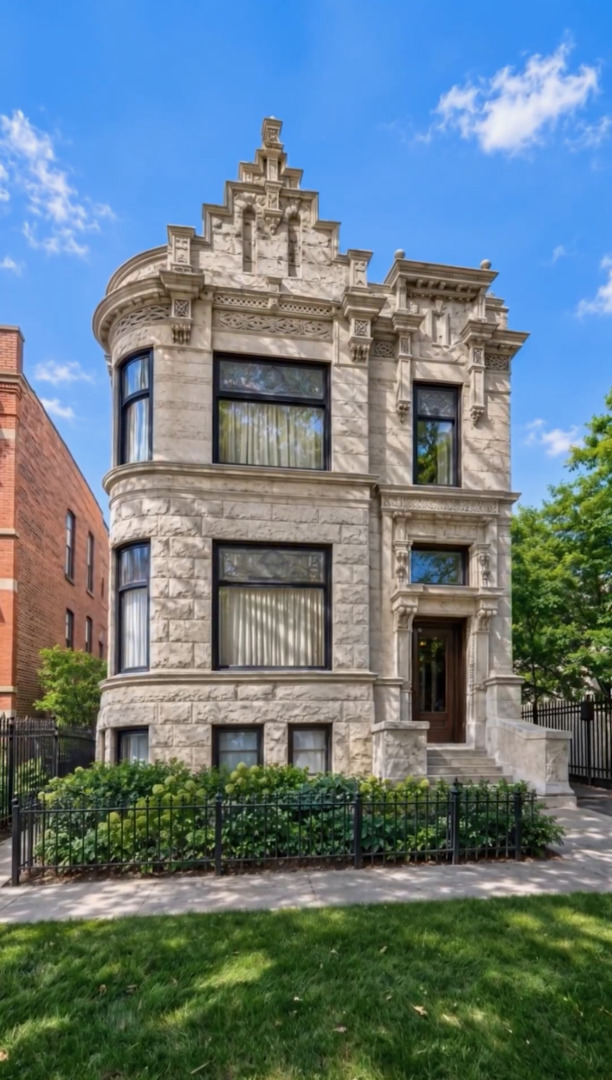
On some sites, older buildings have been replaced with contemporary three- or six-unit developments. A common newer configuration may include a duplex-down residence, a simplex and a duplex-up, often with outdoor space and parking. Larger Victorian and other historic homes are also sprinkled throughout the neighborhoods, many carefully maintained or restored.
The result is not a market with one dominant property type. Its architectural variety is one of its defining characteristics, and demand is supported by walkability, neighborhood activity, transportation and the ability to choose among very different residential experiences within the same broader area.
Wicker Park and Bucktown have remained desirable through multiple cycles of redevelopment because buyers are not choosing only a home; they are often choosing a very specific neighborhood lifestyle. The ability to walk to restaurants, boutiques, coffee shops and nightlife is part of the draw, as is access to the Blue Line and major east-west corridors.
Pricing should not automatically be assumed to be lower than in Lakeview, Lincoln Park or Lincoln Square. In my experience, buyers can be surprised by how competitive Wicker Park and Bucktown are. Supply, demand, transit access and the popularity of the neighborhoods all contribute to value.
At the same time, buyers have choices that are difficult to replicate in a single neighborhood elsewhere: a vintage condominium, a contemporary boutique condo, a timber loft, a worker cottage, a converted property or a luxury single-family home may all be part of the same search.
Both Wicker Park and Bucktown offer a broad range of residential property types. Two- and three-flats, vintage condominiums, modern condominiums, greystones, worker cottages and single-family homes coexist with newer boutique development. Townhomes exist but are not as defining a property type as the other housing found throughout the area.
Loft-style condominiums are another important part of the market, particularly around former commercial and industrial corridors. They appeal to a specific buyer who values larger open spaces, high ceilings, timber beams and an architectural character that differs from a traditional Chicago condominium. Many have also been updated with in-unit laundry, balconies or terraces and garage parking.
Development beginning decades ago also created a meaningful stock of smaller and medium-size condominium associations. Depending on zoning and location, buyers may encounter everything from a three- or six-unit boutique building to a substantially larger condominium or apartment property along a major corridor.
Once buyers move away from the busiest streets, larger historic homes and substantial single-family properties become more visible. Bucktown in particular has significant single-family housing mixed with condominiums and converted properties, while both neighborhoods offer rental inventory for people who want the same location without purchasing.
When I work with a condominium buyer here, I want to understand both the residence and the association behind it. Reserves, monthly assessments, completed projects and projects currently under discussion should all be reviewed in the condominium documents.
Depending on the age and construction of the building, I pay particular attention to masonry and tuckpointing, sealant around windows, roofs, gutters, plumbing, storage and the condition of a separate parking garage or other common elements. Upcoming work can affect both a buyer's budget and the way one property compares with another.
Parking is a significant consideration in these neighborhoods. Dedicated garage or exterior parking can materially affect a property's appeal, especially on residential blocks close to active commercial corridors where street parking is heavily used.
Outdoor space can also differentiate one condominium from another. Balconies, decks, terraces, gardens and roof rights may add meaningful value. In some smaller associations, an upper-floor residence may have dedicated or assigned roof space, creating an amenity that is difficult to duplicate.
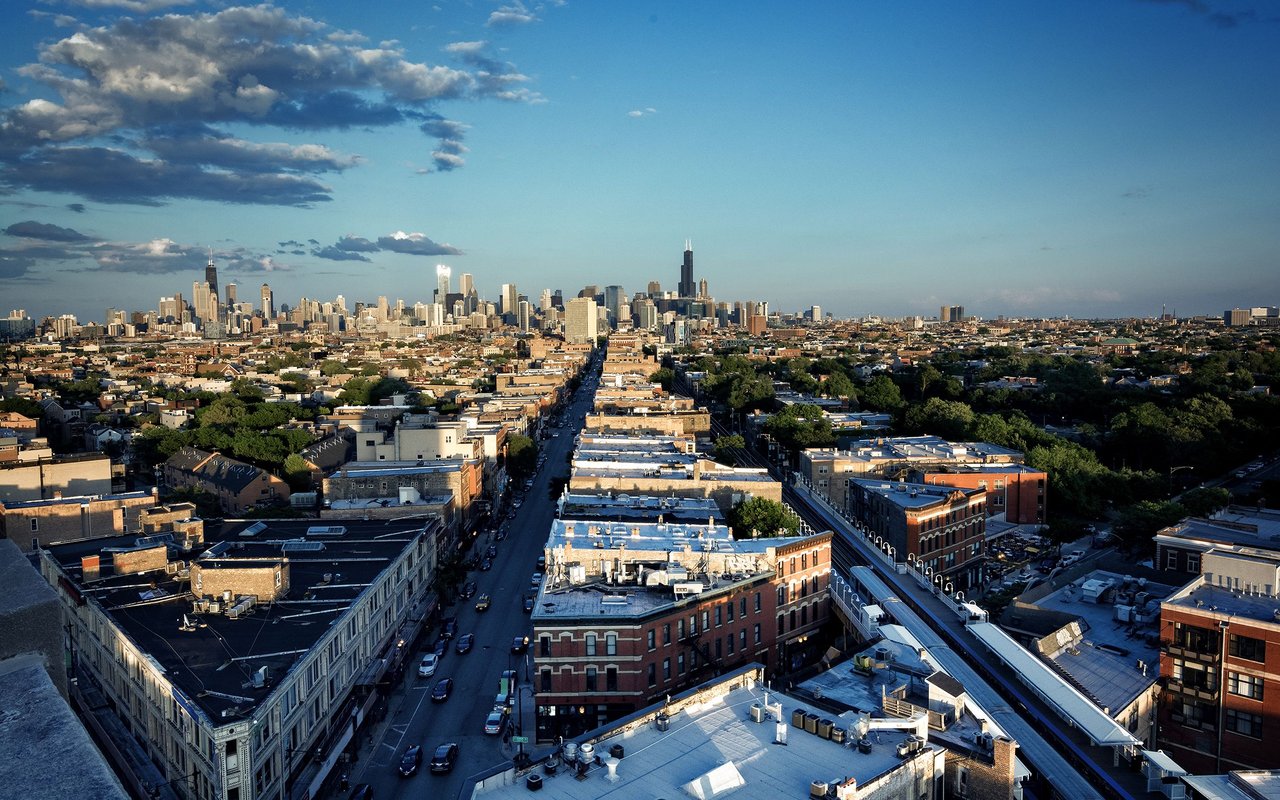
Transportation is one of the major attractions of Wicker Park and Bucktown. The Blue Line along Milwaukee Avenue provides direct access toward downtown and O'Hare, and I have worked with buyers who specifically targeted the area because frequent air travel made that connection particularly valuable.
Transit convenience also creates property-specific considerations. Homes along major commercial streets can experience substantially more pedestrian activity, traffic and street noise than properties only a few blocks away. Some buyers want exactly that environment: they want to walk outside and immediately be surrounded by restaurants, stores, coffee shops and nightlife. Others want access to the activity without living directly in it.
Properties near elevated portions of the train deserve additional evaluation. Buyers should spend enough time inside the property to understand train noise and vibration rather than treating proximity to transit as purely an advantage. In older buildings, existing masonry conditions and cracking should also be evaluated carefully and in context.
The same principle applies to busy streets such as Ashland, Western, North, Division and Milwaukee. In these neighborhoods, a difference of only a few blocks can materially change the living experience.
Damen, North & Milwaukee: The Wicker Park Core
The Damen, North and Milwaukee intersection is one of the most recognizable centers of Wicker Park. Blue Line access, restaurants, coffee, shopping and constant pedestrian activity create a highly urban environment. For buyers who want activity immediately outside the door, this can be a major advantage.
Division Street
Division Street has its own identity and another strong concentration of restaurants, bars, coffee shops, boutiques and neighborhood activity. Residential properties nearby benefit from walkability while also requiring buyers to think carefully about the amount of activity and noise they want immediately around their home.
Residential Wicker Park
Move onto the residential streets surrounding the commercial corridors and the environment can become surprisingly quiet. The blocks are often well maintained and architecturally varied, with historic buildings, renovated properties and contemporary construction existing side by side. That contrast is important: Wicker Park is not simply its nightlife and retail corridors.
Bucktown, Holstein Park & the Residential Pockets
Bucktown contains distinct residential pockets where worker cottages, vintage homes, two- and three-flats, condominiums and newer single-family construction create a particularly Chicago streetscape. Areas around Holstein Park and farther north and west can feel markedly more residential than the busiest Wicker Park corridors while remaining connected to the same broader neighborhood amenities.
Western & Milwaukee
The Western and Milwaukee area creates another transition point, combining transportation and commercial activity with residential streets nearby. For buyers, the appeal can be the ability to remain close to the Blue Line and neighborhood businesses while moving away from the intensity of the Damen/North/Milwaukee core.
The 606 has become an important part of how people experience Wicker Park and Bucktown. Created from a former elevated rail line, the landscaped trail provides a route for walking, running and cycling through the neighborhoods.
Its value is not simply recreational. Residents incorporate it into everyday life: a morning run, an evening walk, meeting a friend, going for coffee or brunch, walking with a stroller or giving a child space to ride a bicycle away from regular street traffic.
That activity creates another type of neighborhood center - one that is linear rather than concentrated around a traditional commercial intersection. In my experience, proximity to The 606 can be an important component of buyer demand and should be considered when comparing otherwise similar properties.
One misconception I occasionally encounter is that Wicker Park or Bucktown will provide a less expensive alternative to neighborhoods such as Lakeview, Lincoln Park or Lincoln Square. Buyers should not assume that.
Demand for the neighborhoods, Blue Line access, active commercial districts and limited supply of particular property types can create significant competition. What distinguishes Wicker Park and Bucktown is not necessarily lower pricing; it is the lifestyle and range of housing available within the market.
A buyer can consider a vintage condominium, contemporary condo, loft, worker cottage, converted property or single-family home while remaining within the same broader neighborhood environment. For some buyers, Blue Line access is itself part of the value proposition. For others, being able to walk to restaurants, shopping, nightlife or The 606 is the priority.
Understanding those priorities is particularly important here because precise location within the neighborhoods can affect the experience as much as the property itself.
There is substantial comparable-sale activity in Wicker Park and Bucktown, but that does not mean every nearby sale is an appropriate comparison. Property type, condition, renovation history, building size, association finances, outdoor space, parking and precise location all influence value.
For condominiums, I look closely at improvements within the unit as well as work completed by the association. A building that has already addressed significant structural or exterior projects may present differently from an otherwise comparable property facing substantial future work.
Outdoor space and parking can be premium features. Depending on the building, a residence may have a balcony, deck, terrace, garden or roof rights. Vintage and historic details can create a different kind of value when original architectural character has been preserved while kitchens, bathrooms, mechanical systems and other functional elements have been thoughtfully updated.
Location provides the final layer. Proximity to the Damen/Milwaukee core, Division Street, the Blue Line or The 606 may be highly desirable to one buyer, while another may place greater value on a quieter Bucktown residential street only a few blocks away.
The objective is not simply to market a property as being in Wicker Park or Bucktown. It is to explain where it sits within these neighborhoods, what type of living experience that location provides, and which characteristics make the property difficult to replicate.
Patrick's experience in Wicker Park and Bucktown includes closed residential transactions as well as showing and evaluating properties with buyers considering these neighborhoods as part of a broader Chicago home search. That experience provides firsthand familiarity with the area's varied housing stock, individual residential pockets and the property-specific considerations that can differ considerably from one block to another.
Wicker Park and Bucktown reward buyers who look beyond the neighborhood name and evaluate the exact block, building and property type. The same qualities that create demand - transportation, restaurants, nightlife, The 606 and architectural variety - can produce very different living experiences only a few blocks apart.
For sellers, that variety makes precise positioning especially important. The strongest presentation explains not only the property itself, but how its architecture, association, outdoor space, parking and location fit into the particular part of Wicker Park or Bucktown a buyer is choosing.
31,702 people live in Wicker Park & Bucktown, where the median age is 32 and the average individual income is $106,223. Data provided by the U.S. Census Bureau.
Total Population
Median Age
Population Density Population Density This is the number of people per square mile in a neighborhood.
Average individual Income
There's plenty to do around Wicker Park & Bucktown, including shopping, dining, nightlife, parks, and more. Data provided by Walk Score and Yelp.
Explore popular things to do in the area, including Ciales Poultry Store, Thursday Boot, and DD Pierce.
| Name | Category | Distance | Reviews |
Ratings by
Yelp
|
|---|---|---|---|---|
| Dining · $$$ | 0.28 miles | 15 reviews | 3.6/5 stars | |
| Shopping | 0.47 miles | 1 review | 3/5 stars | |
| Shopping | 0.51 miles | 0 reviews | 0/5 stars | |
| Shopping | 0.86 miles | 0 reviews | 0/5 stars | |
| Active | 0.24 miles | 0 reviews | 0/5 stars | |
| Active | 0.41 miles | 0 reviews | 0/5 stars | |
| Active | 0.64 miles | 2 reviews | 3/5 stars | |
| Nightlife | 0.68 miles | 1 review | 5/5 stars | |
| Beauty | 0.24 miles | 1 review | 5/5 stars | |
| Beauty | 0.35 miles | 2 reviews | 5/5 stars | |
| Beauty | 0.57 miles | 0 reviews | 0/5 stars | |
| Beauty | 0.57 miles | 106 reviews | 3.2/5 stars | |
| Beauty | 0.6 miles | 1 review | 5/5 stars | |
| Beauty | 0.61 miles | 0 reviews | 0/5 stars | |
| Beauty | 0.64 miles | 0 reviews | 0/5 stars | |
| Beauty | 0.71 miles | 0 reviews | 0/5 stars | |
| Beauty | 0.72 miles | 1 review | 5/5 stars | |
| Beauty | 0.89 miles | 187 reviews | 4.2/5 stars | |
|
|
||||
|
|
||||
|
|
||||
|
|
||||
|
|
||||
|
|
Wicker Park & Bucktown has 15,245 households, with an average household size of 2. Data provided by the U.S. Census Bureau. Here’s what the people living in Wicker Park & Bucktown do for work — and how long it takes them to get there. Data provided by the U.S. Census Bureau. 31,702 people call Wicker Park & Bucktown home. The population density is 22,818 and the largest age group is Data provided by the U.S. Census Bureau.
Total Population
Population Density Population Density This is the number of people per square mile in a neighborhood.
Median Age
Men vs Women
Population by Age Group
0-9 Years
10-17 Years
18-24 Years
25-64 Years
65-74 Years
75+ Years
Education Level
Total Households
Average Household Size
Average individual Income
Households with Children
With Children:
Without Children:
Marital Status
Blue vs White Collar Workers
Blue Collar:
White Collar:
Whether you're preparing to sell, beginning a home search or simply trying to understand your options, let's have a conversation about your goals and the market.
Patrick O'Brien
Office Address
2350 NORTH LINCOLN AVE 3RD FLR
CHICAGO IL 60614