Gold Coast Chicago Real Estate & Luxury Living
The appeal is not simply prestige; it is the ability to move between an intimate neighborhood setting and a remarkably walkable urban lifestyle.
The appeal is not simply prestige; it is the ability to move between an intimate neighborhood setting and a remarkably walkable urban lifestyle.
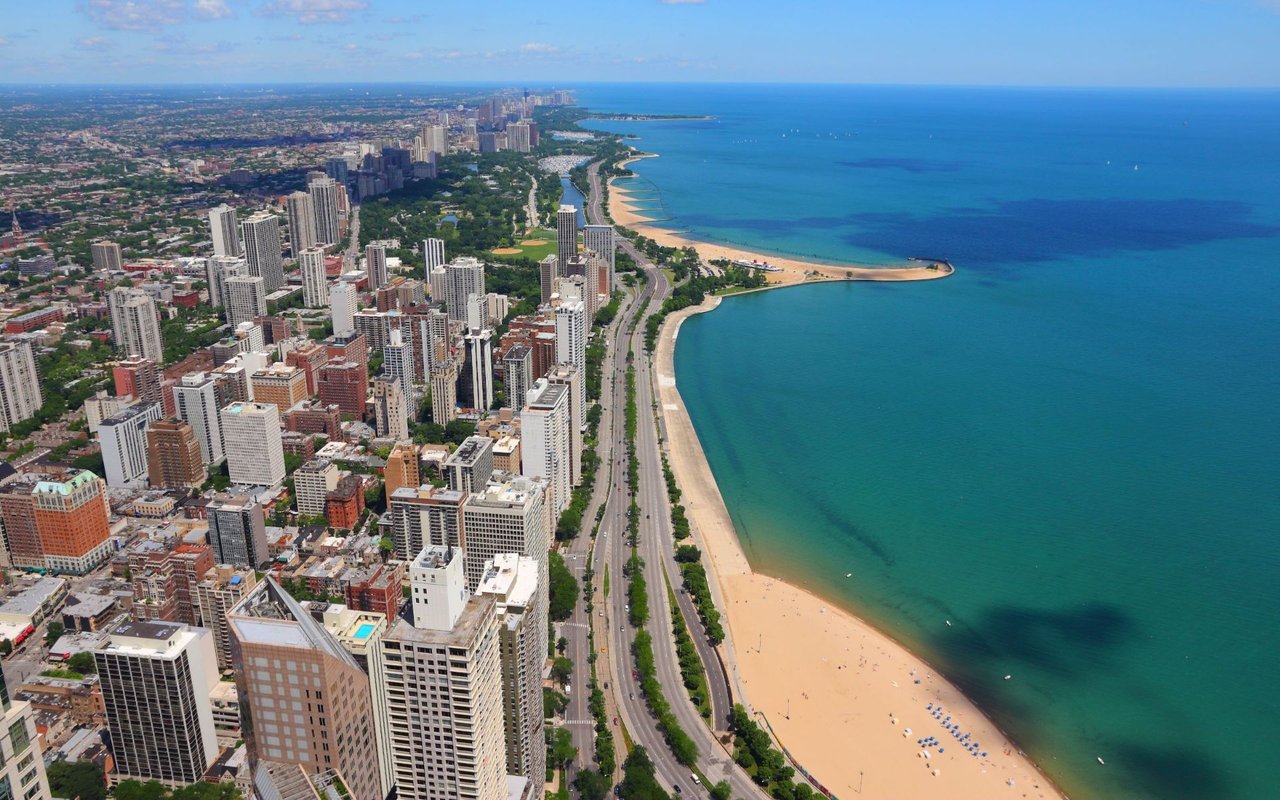
A historic residential enclave along Lake Michigan, Gold Coast pairs architecturally significant streets with full-service high-rise living, celebrated dining, and extraordinary access to the city.
Gold Coast offers a distinctive balance: tree-lined residential blocks that feel quiet and established, only steps from busy shopping, dining, and cultural destinations.
Astor Street and State Parkway are known for striking historic homes, while Oak Street, Rush Street, and nearby Michigan Avenue offer boutiques, restaurants, and everyday conveniences.
Residents can enjoy Oak Street Beach, the lakefront paths, and easy connections to Lincoln Park, Streeterville, River North, and downtown.
The appeal is not simply prestige; it is the ability to move between an intimate neighborhood setting and a remarkably walkable urban lifestyle.
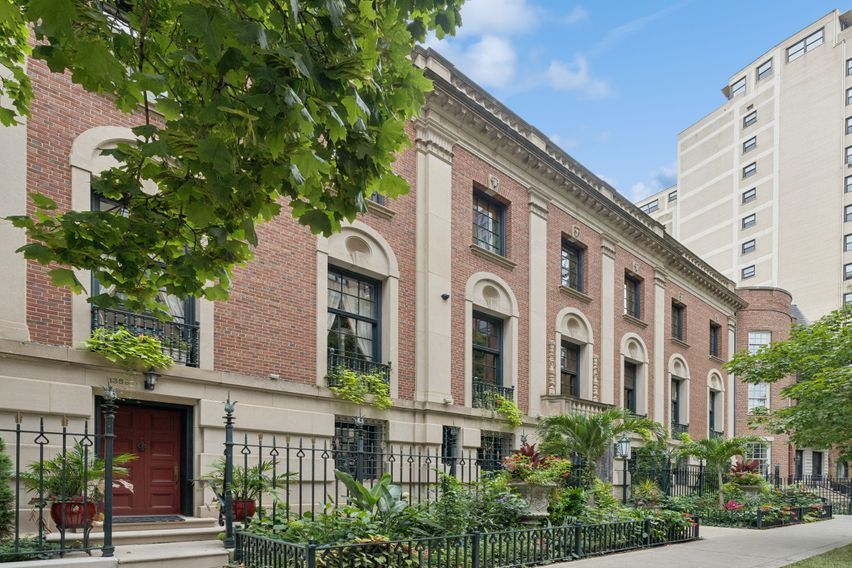
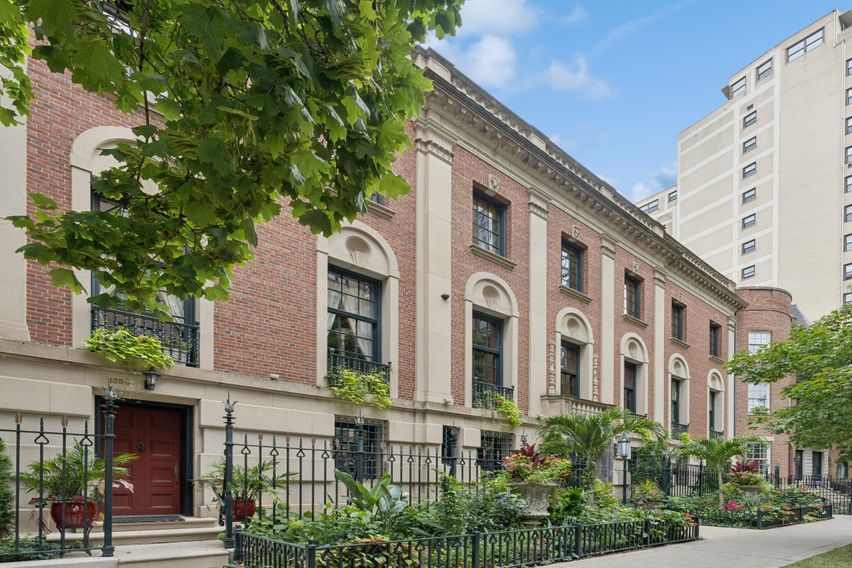
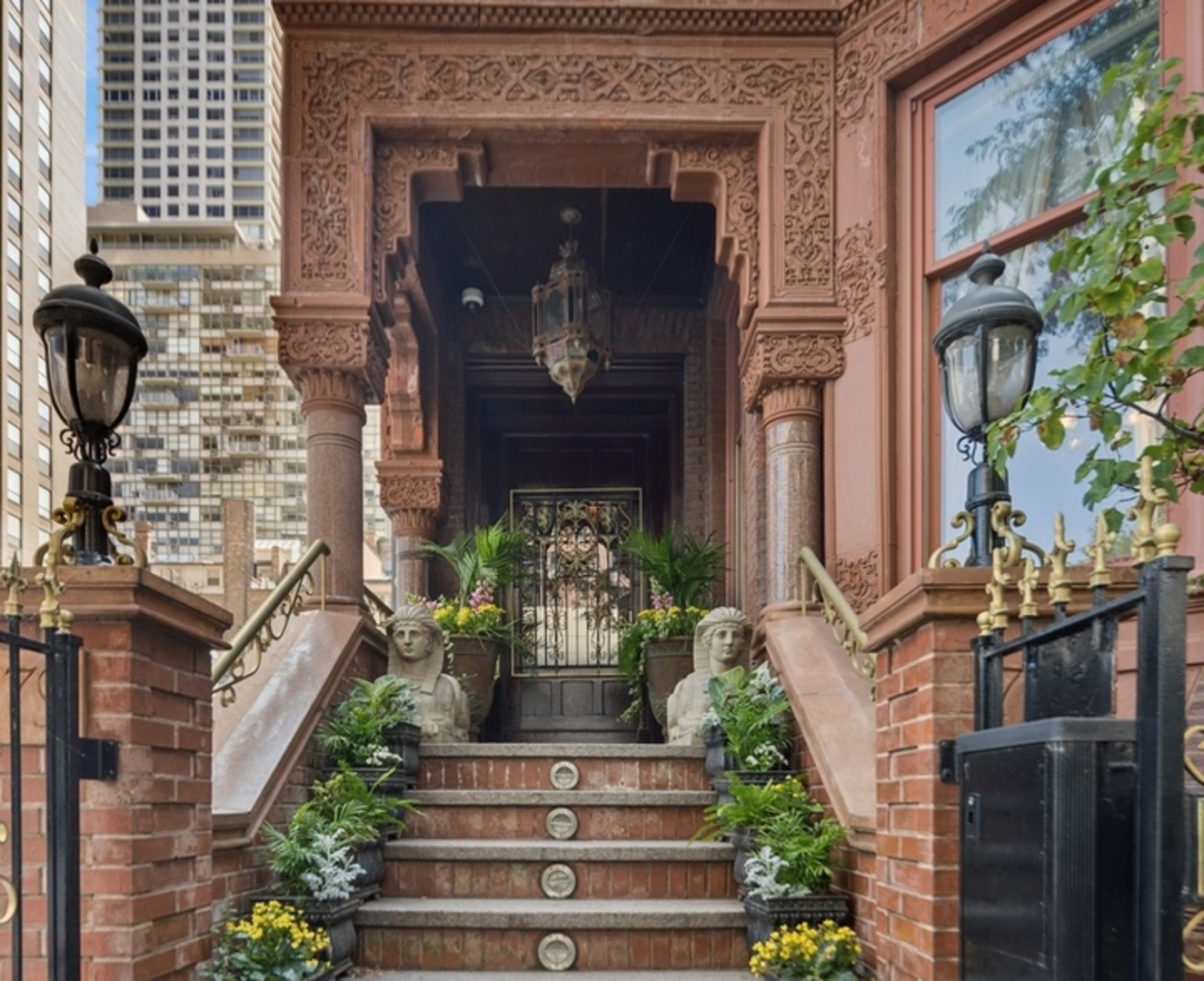
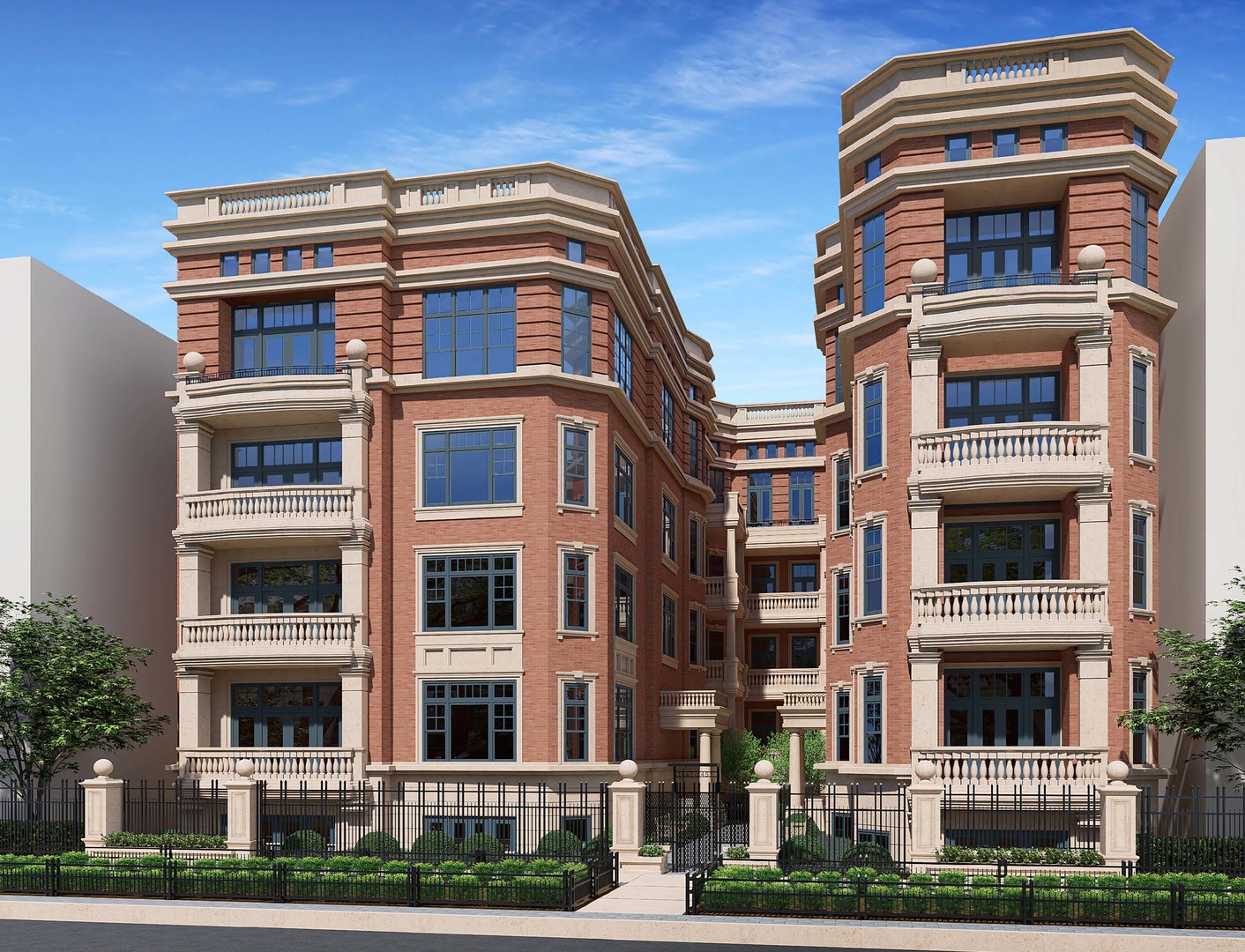
The housing stock is unusually varied. Nineteenth-century mansions, historic row houses, greystones, and Victorian-era buildings coexist with vintage condominium conversions, cooperative residences, mid-rise properties, and contemporary luxury towers.
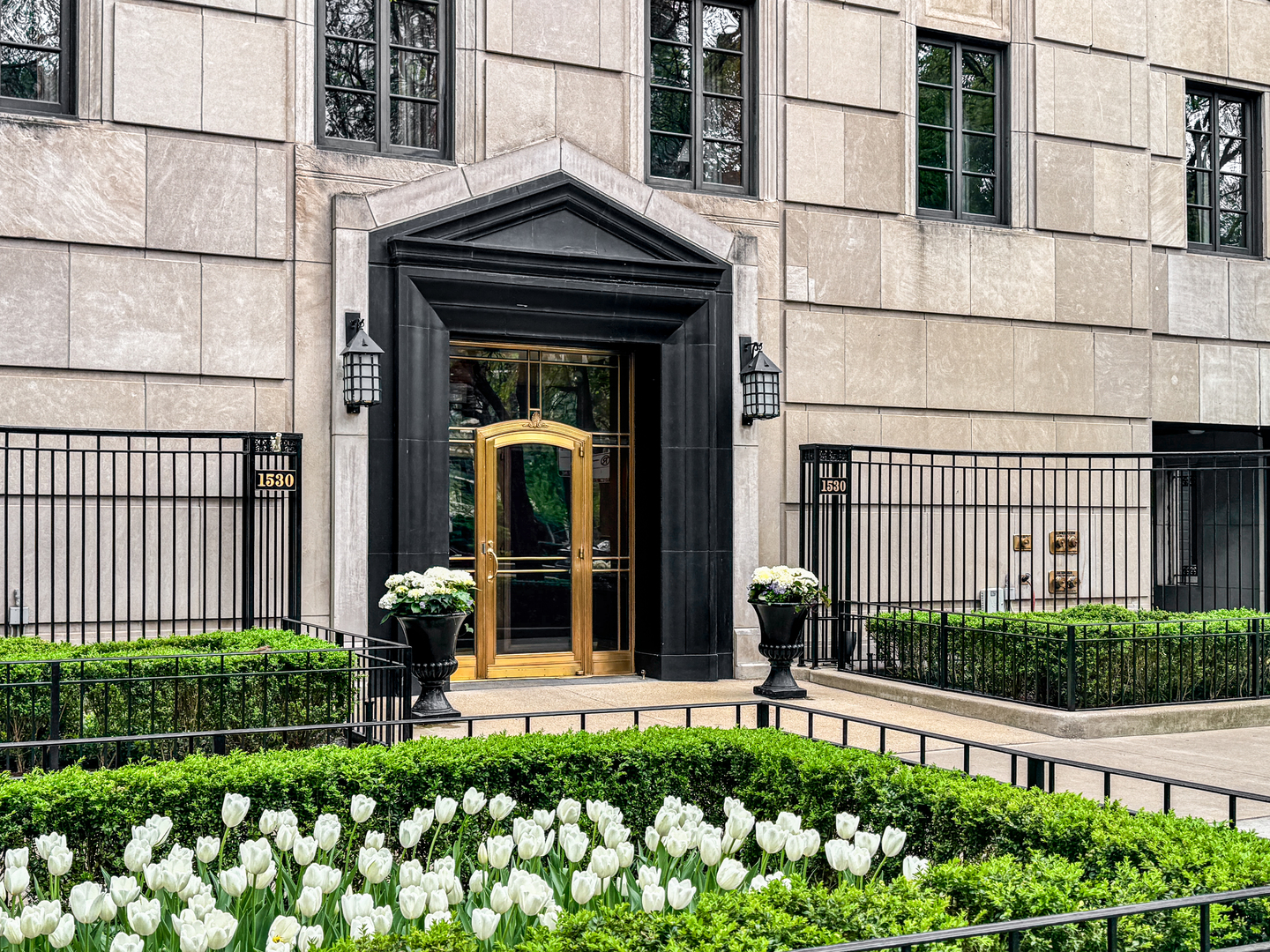
Some buildings retain intricate original woodwork, ornamental fireplaces, leaded glass, and traditional layouts. Others offer expansive glazing, contemporary finishes, door staff, package handling, fitness facilities, and other full-service amenities.
Buyers can find a broad range of residence sizes and price points, but should not assume that a historic building and a modern tower offer comparable ownership experiences.
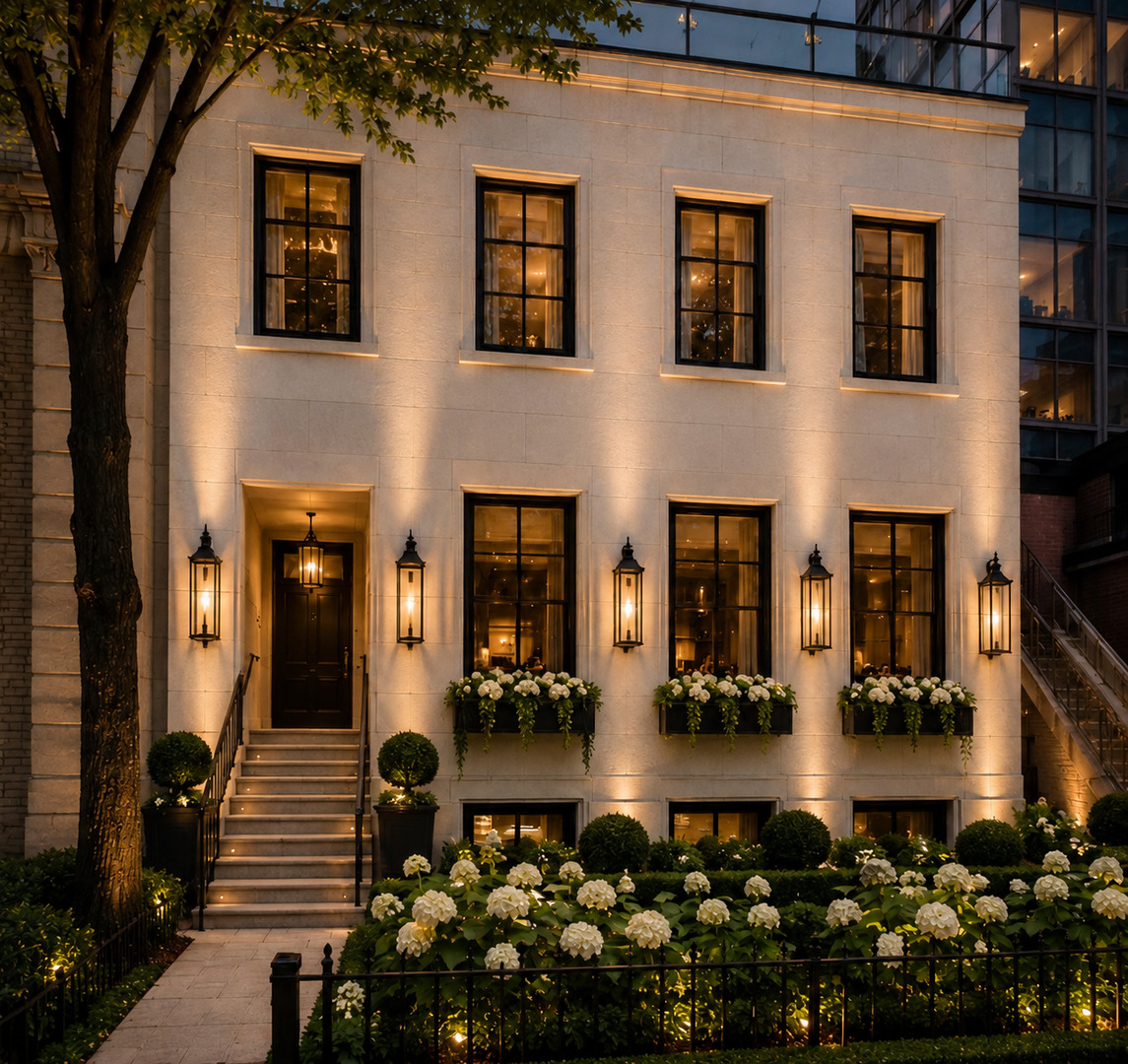
The Astor Street area rewards a slower walk: historic facades, mature trees, and distinctive architectural details are part of its character. State Parkway offers another concentration of prominent residences.
Along Oak Street and Rush Street, the atmosphere becomes more commercial and social, with shopping, dining, and nightlife.
The lakefront edge provides a different experience again, including Oak Street Beach and routes for walking, running, and cycling. Nearby cultural landmarks and the neighborhood’s historic homes add depth beyond its well-known retail and restaurant scene.
A careful purchase begins with understanding the form of ownership and the building’s financial health. For a condominium, review budgets, reserves, reserve studies where available, meeting minutes, pending litigation, current and planned capital work, and the history of special assessments.
Ask what the monthly assessment includes, from heat and water to staffing and amenities. Clarify whether parking is deeded, assigned, leased, or separately assessed and taxed.
In older high-rises, investigate windows, facade work, elevators, plumbing risers, HVAC, and whether in-unit laundry is permitted. Package handling, storage, and building access can matter as much as headline amenities.
A cooperative is a different ownership structure, typically involving shares and a proprietary lease rather than a condominium deed. Financing, subletting, renovation approvals, board review, and post-closing liquidity requirements vary by cooperative. Buyers should review the particular building’s documents and policies early, rather than assuming all co-ops apply the same standards.
For a mansion, row house, or vintage residence, architectural beauty should be evaluated alongside the condition of the structure and systems.
Buyers should ask what has been restored, what has been replaced, and whether original elements were preserved thoughtfully. Exterior masonry, roofs, windows, drainage, mechanical systems, and prior permits deserve close attention.
Landmark status or historic-district protections may affect future exterior changes; verify the property’s actual designation and applicable approval requirements before planning alterations.
Gold Coast is not exclusively a neighborhood of mansions or exceptionally expensive penthouses: its inventory includes smaller apartments and a variety of building types.
Conversely, an attractive purchase price in an older building may come with substantial monthly assessments or future capital obligations. Parking is scarce in many locations, and a space can carry meaningful additional cost.
Buyers should also distinguish an unobstructed lake view from a partial view: nearby buildings, floor height, orientation, and mature tree canopies all influence what a residence actually sees.
Effective pricing depends on the individual property rather than the neighborhood name alone.
In a high-rise, floor level, exposure, view corridors, natural light, floor plan, outdoor space, parking rights, building services, and the association’s financial position all shape buyer response. An east- or south-facing view can be compelling, but its actual openness and quality should be demonstrated rather than assumed.
For vintage residences, preserved details and well-executed improvements can create a distinct market position. Sellers should prepare clear information about renovations, maintenance, building projects, assessments, and any ownership restrictions so buyers can evaluate the full picture with confidence.
These Gold Coast transactions reflect Patrick O’Brien’s experience with residences in an established lakefront high-rise.
Past transactions are provided as examples of experience, not as a claim of current availability.
Gold Coast real estate requires an understanding of both individual residences and the buildings or historic settings that surround them.
Patrick O’Brien, an Illinois-licensed real estate broker with Compass, helps buyers and sellers evaluate location, architecture, association finances, maintenance considerations, and the details that influence value across Chicago’s North Side and Near North Side.
Patrick O’Brien | Real Estate Broker, Compass
(773) 612-2352 | [email protected]
13,925 people live in Gold Coast, where the median age is 53 and the average individual income is $148,031. Data provided by the U.S. Census Bureau.
Total Population
Median Age
Population Density Population Density This is the number of people per square mile in a neighborhood.
Average individual Income
There's plenty to do around Gold Coast, including shopping, dining, nightlife, parks, and more. Data provided by Walk Score and Yelp.
Explore popular things to do in the area, including Chasalla Fashions, Kelly Mahieu Hair, and M G Institute.
| Name | Category | Distance | Reviews |
Ratings by
Yelp
|
|---|---|---|---|---|
| Shopping | 0.35 miles | 5 reviews | 3.4/5 stars | |
| Beauty | 0.34 miles | 0 reviews | 0/5 stars | |
| Beauty | 0.34 miles | 1 review | 5/5 stars | |
| Beauty | 0.35 miles | 0 reviews | 0/5 stars | |
| Beauty | 0.35 miles | 10 reviews | 3.5/5 stars | |
|
|
||||
|
|
||||
|
|
||||
|
|
||||
|
|
||||
|
|
Gold Coast has 9,178 households, with an average household size of 2. Data provided by the U.S. Census Bureau. Here’s what the people living in Gold Coast do for work — and how long it takes them to get there. Data provided by the U.S. Census Bureau. 13,925 people call Gold Coast home. The population density is 82,993 and the largest age group is Data provided by the U.S. Census Bureau.
Total Population
Population Density Population Density This is the number of people per square mile in a neighborhood.
Median Age
Men vs Women
Population by Age Group
0-9 Years
10-17 Years
18-24 Years
25-64 Years
65-74 Years
75+ Years
Education Level
Total Households
Average Household Size
Average individual Income
Households with Children
With Children:
Without Children:
Marital Status
Blue vs White Collar Workers
Blue Collar:
White Collar:
Whether you're preparing to sell, beginning a home search or simply trying to understand your options, let's have a conversation about your goals and the market.
Patrick O'Brien
Office Address
2350 NORTH LINCOLN AVE 3RD FLR
CHICAGO IL 60614