Discover Lincoln Park Real Estate: Luxury Homes & Vibrant Living
Feel distinctly urban along its major commercial corridors and remarkably residential only a few blocks away.
Feel distinctly urban along its major commercial corridors and remarkably residential only a few blocks away.
Lincoln Park brings together many of the qualities buyers associate with living in Chicago: significant architecture, tree-lined residential streets, lakefront parkland, cultural institutions, restaurants and shopping, convenient transportation and an extraordinary range of homes. One of the things I enjoy most about showing property in Lincoln Park is that variety.
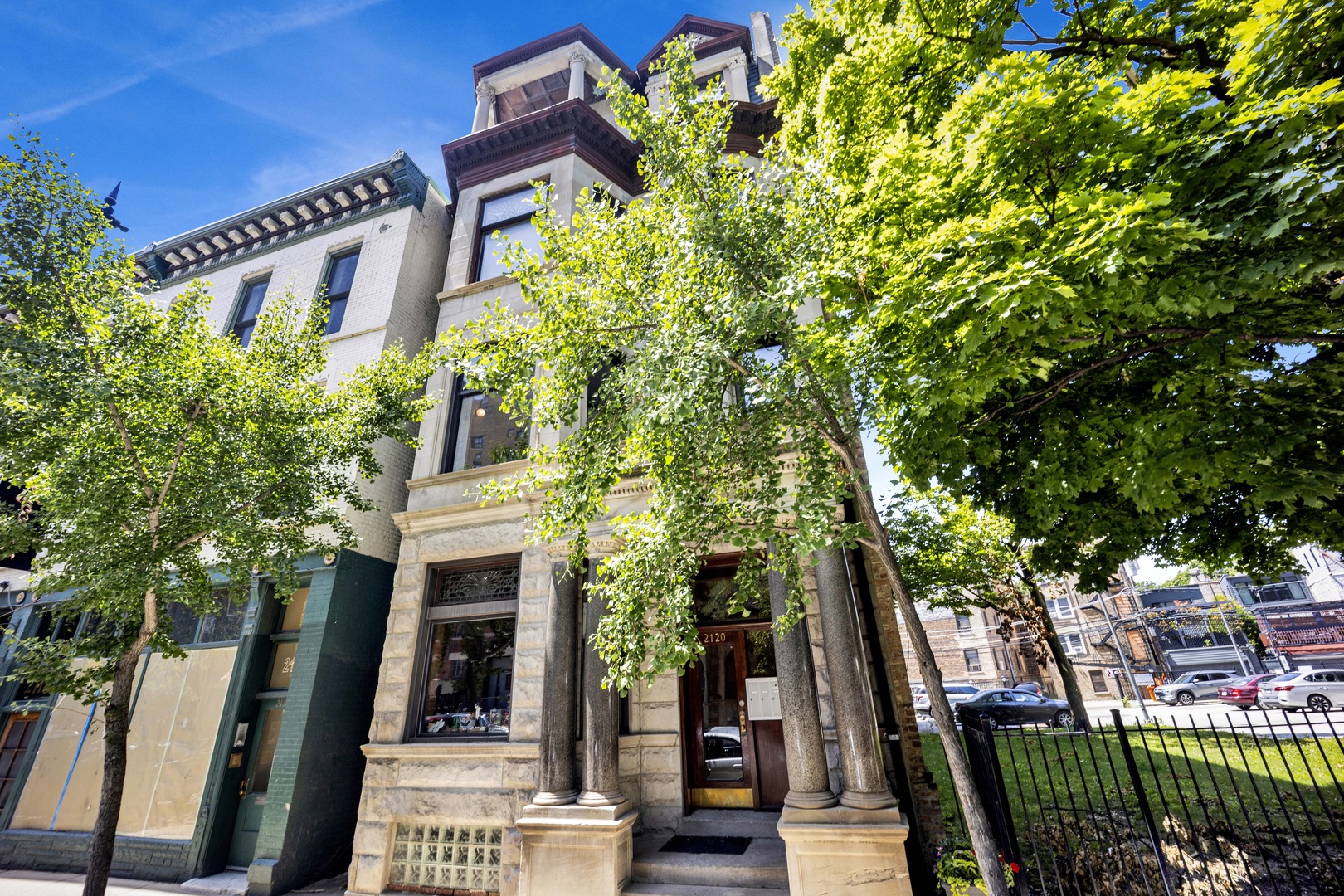
Within the same neighborhood, buyers can consider lakefront high-rises and co-ops, vintage condominiums, greystones and row homes, landscaped courtyard buildings, townhomes, two- and three-flats, single-family homes and luxury new construction. The neighborhood can feel distinctly urban along its major commercial corridors and remarkably residential only a few blocks away.
Understanding those differences - the particular street, pocket, building type and surroundings - is an important part of buying or selling real estate in Lincoln Park.
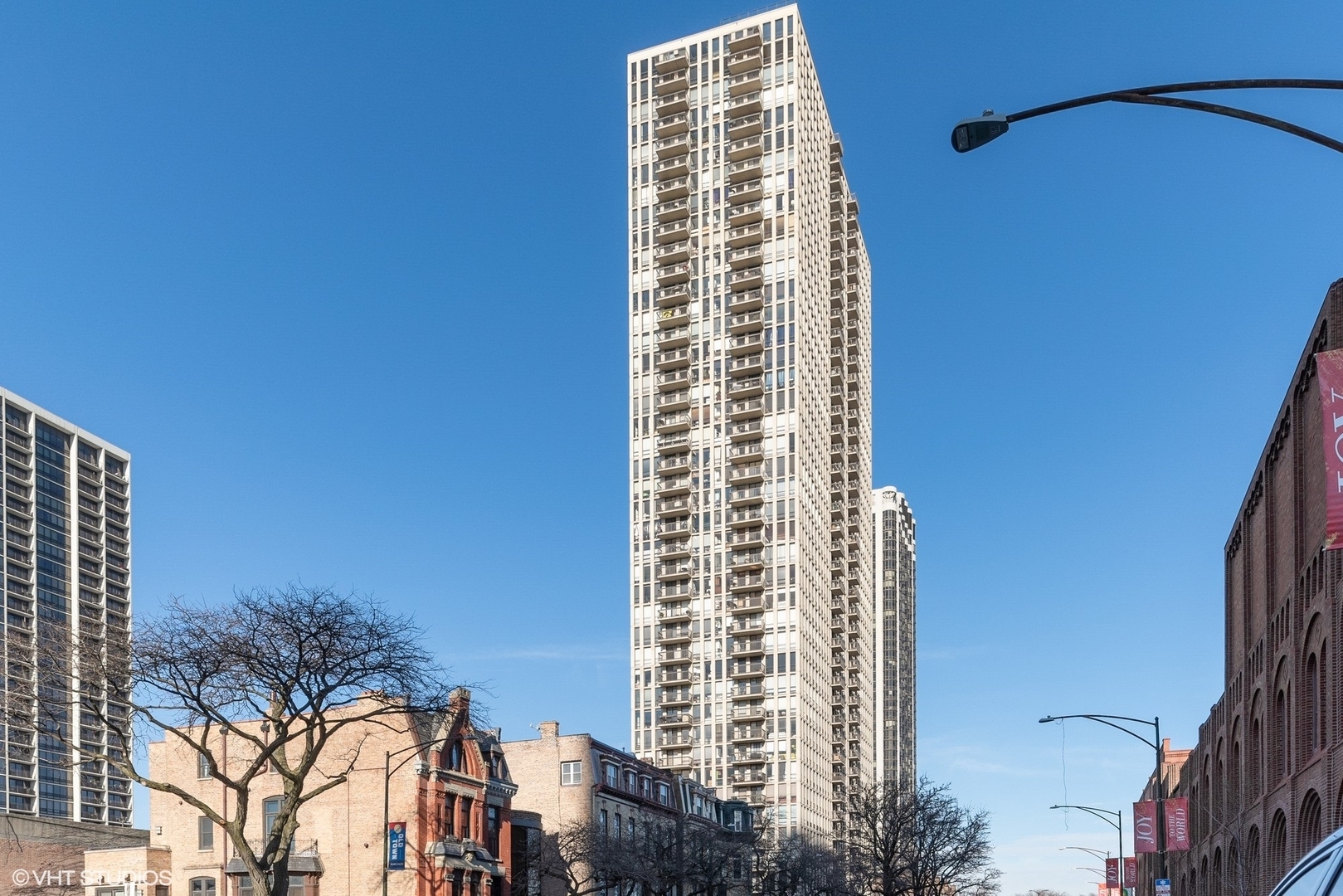
Lincoln Park has one of the broadest ranges of housing I encounter when working with buyers on Chicago's North Side. Along the eastern side of the neighborhood, buyers will find vintage and modern high-rises, cooperative buildings and architecturally significant courtyard properties. Moving west, the housing increasingly includes vintage condominiums, greystones, row homes, two- and three-flats, townhomes, newer condominium buildings and single-family homes.
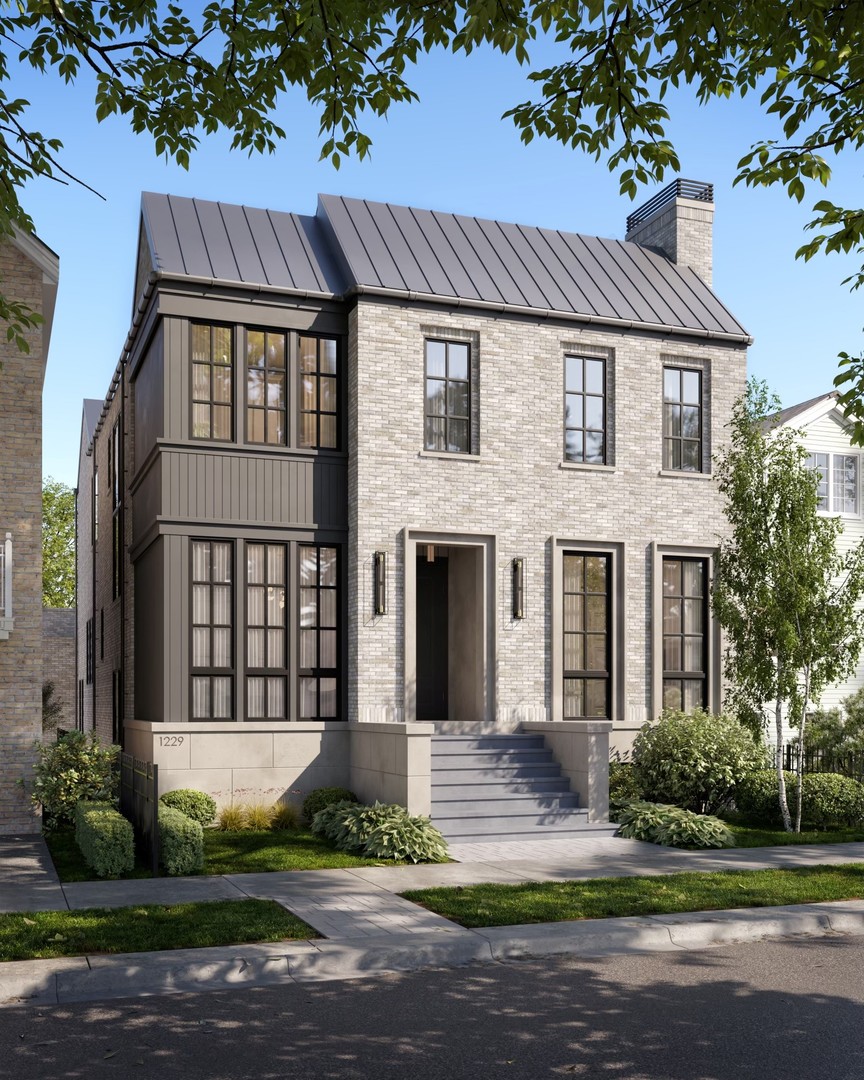
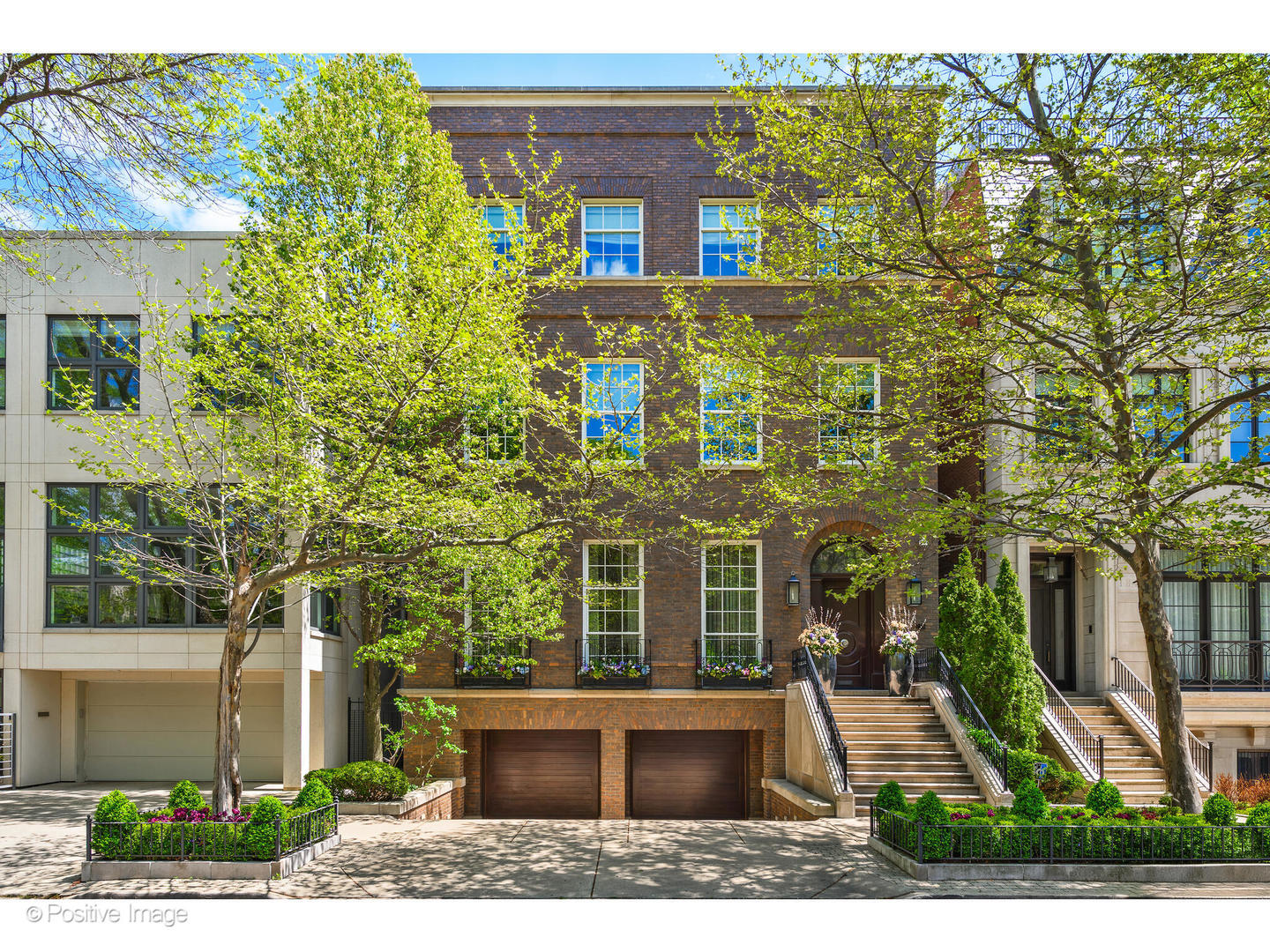
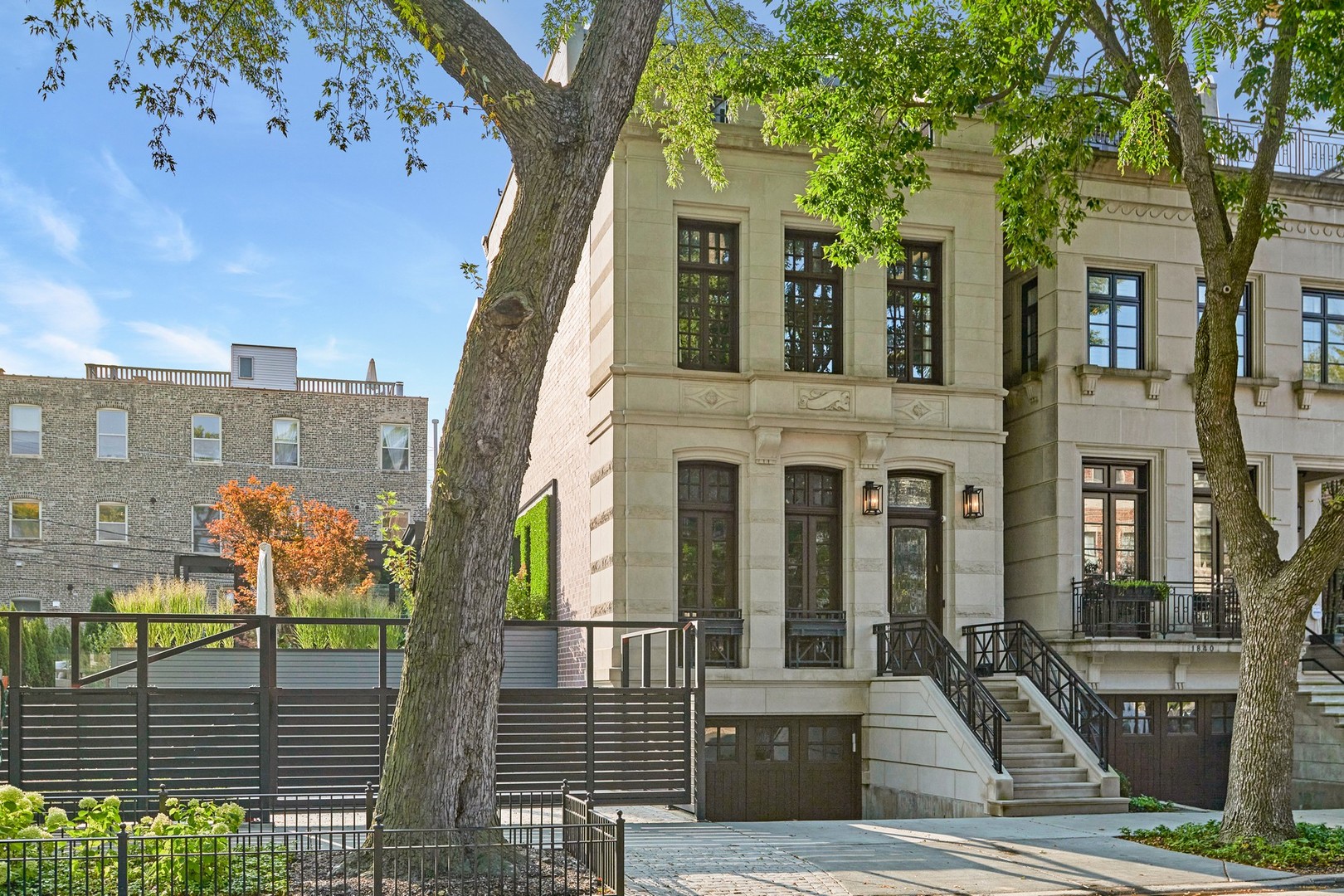
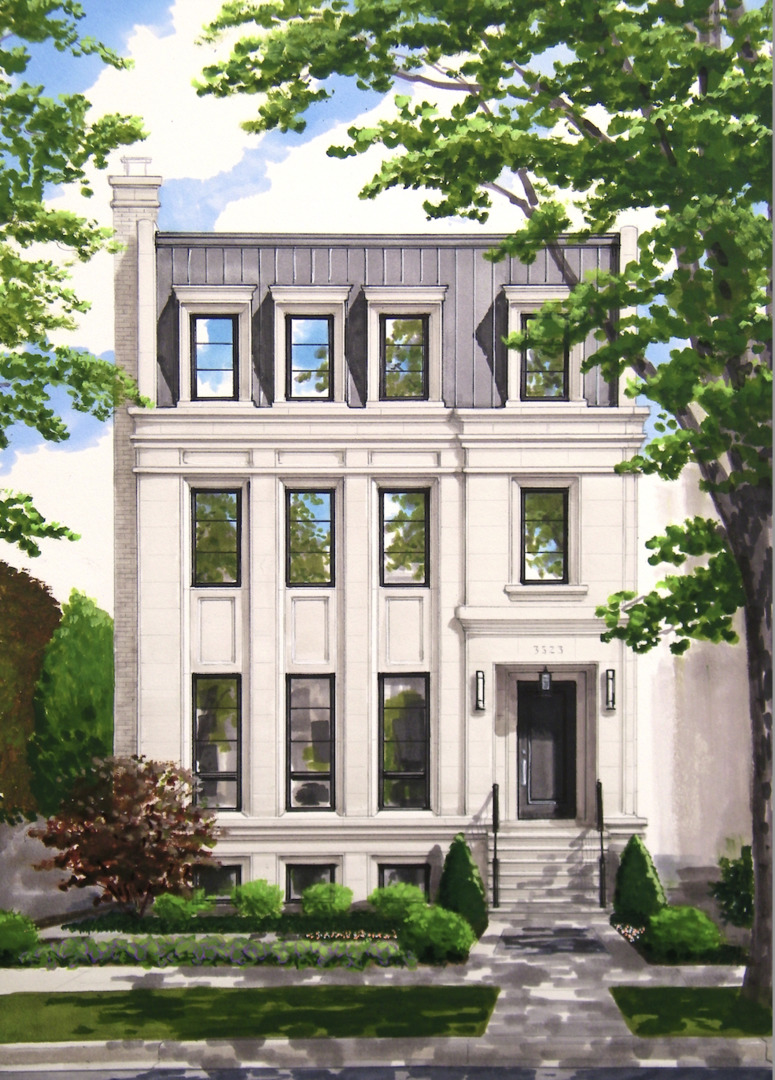
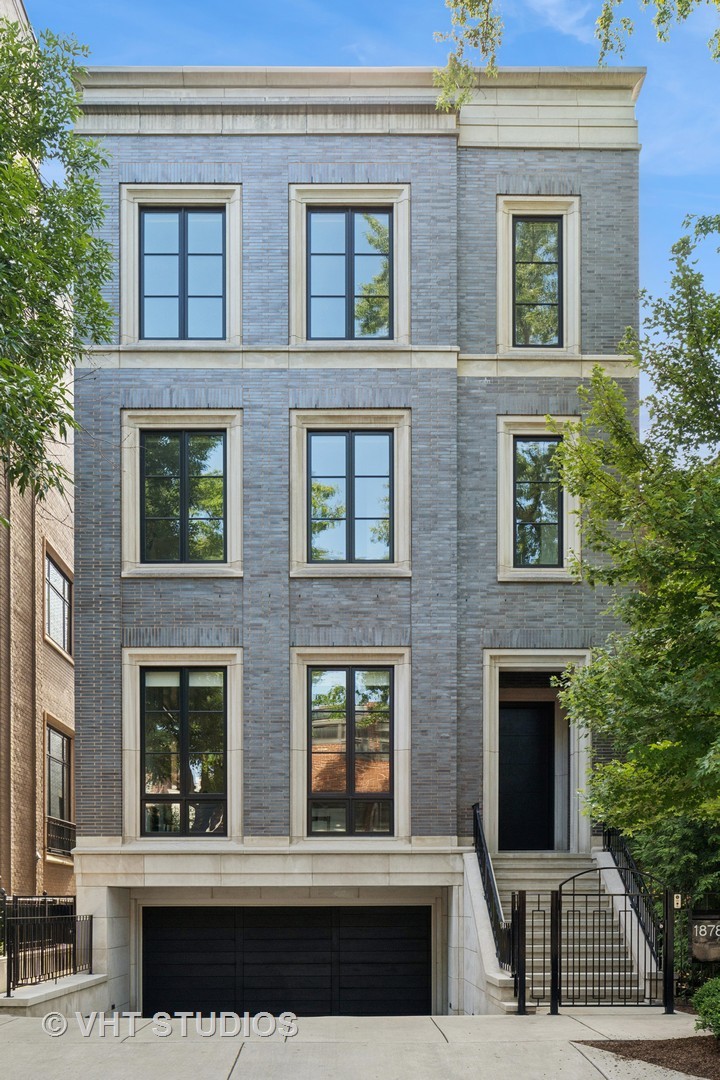
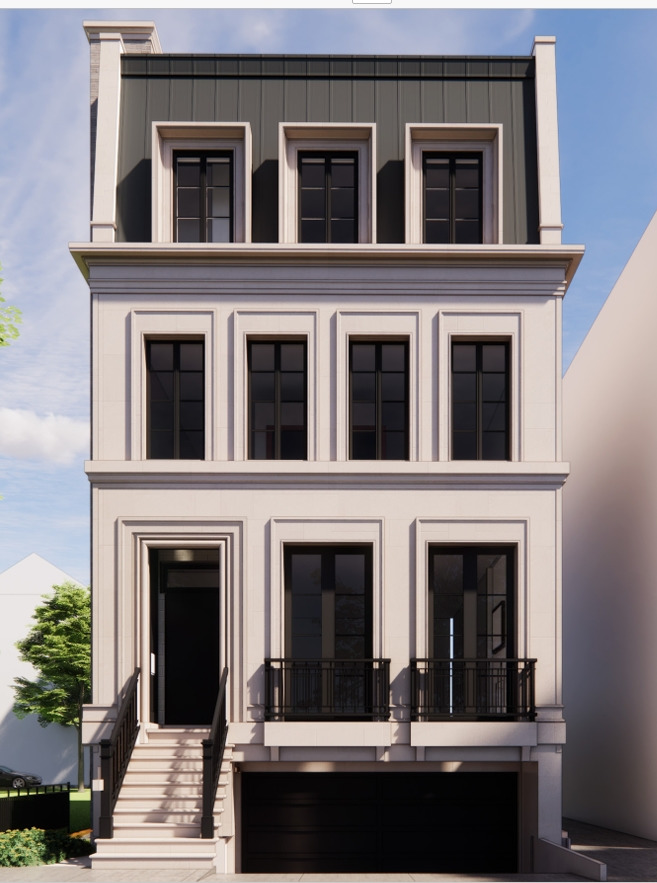
At the upper end of the market, Lincoln Park also has a significant concentration of luxury single-family homes and high-end new construction. That variety is part of what makes the neighborhood so interesting to explore with a buyer.
Someone may begin by considering a full-service high-rise near the lake and ultimately fall in love with a vintage walk-up on a quiet residential street. Another buyer may want contemporary new construction, a townhome or a substantial single-family home with multiple outdoor spaces and a garage. Lincoln Park can accommodate very different versions of city living.
The eastern side of Lincoln Park has an architectural presence unlike most parts of Chicago. Vintage high-rises, cooperative buildings and courtyard properties line portions of the lakefront and surrounding residential streets. Many have been carefully maintained and preserved, retaining architectural details that immediately convey the period in which they were built.
For buyers who appreciate historic Chicago architecture, simply walking these streets can be part of the experience of considering the neighborhood. The residential environment is also immediately adjacent to one of the city's most significant concentrations of parkland, recreation and cultural institutions.
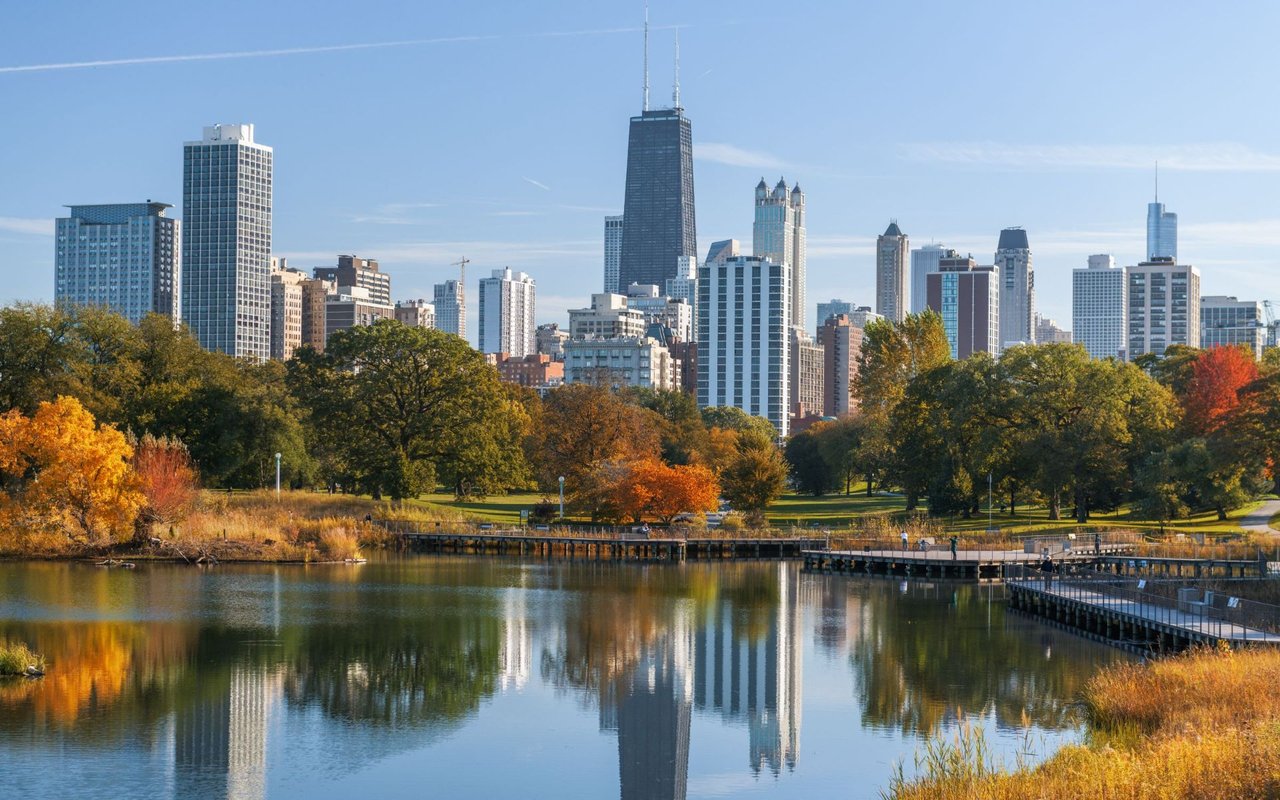
Lincoln Park Zoo, the Lincoln Park Conservatory, Peggy Notebaert Nature Museum, Alfred Caldwell Lily Pool, North Pond, Theatre on the Lake, North Avenue Beach and the lakefront trail are all part of this larger landscape. That creates an unusual relationship between dense city living and outdoor space. A buyer can live in a high-rise or vintage condominium and still be within walking distance of gardens, nature areas, beaches, running and biking trails, museums and the lake.
Some of Lincoln Park's most appealing moments occur after leaving one of its busy commercial streets. Within a few blocks, the environment can change to mature, tree-lined residential streets with landscaped front yards, greystones, row homes, vintage apartment buildings and substantial single-family residences.
Architecture is an important part of Lincoln Park's identity. The Armitage-Halsted area includes one of Chicago's designated landmark districts, with a collection of historic residential and commercial buildings dating primarily from the late nineteenth and early twentieth centuries.
Farther south, the Old Town Triangle contains narrow, tree-lined streets with cottages, row houses and apartment buildings that reflect another period of Chicago's residential development. These areas help explain why Lincoln Park cannot be understood solely through its commercial corridors or lakefront. For many buyers, the residential streets themselves are part of the attraction.
The area surrounding DePaul University adds another distinct character to Lincoln Park. The university campus, Fullerton Avenue and the Lincoln Avenue corridor bring together students, longtime residents, restaurants, coffee shops, shops and entertainment.
Housing in and around this area ranges from condominium buildings and vintage walk-ups to two- and three-flats, townhomes and substantial single-family residences. The Fullerton CTA station also provides Red, Brown and Purple Line service, making this part of Lincoln Park particularly well connected.
For buyers, proximity to DePaul and the train can be either an advantage or a consideration depending on the property and the lifestyle they want.
The Armitage and Halsted area combines historic architecture with one of Lincoln Park's best-known shopping districts. Boutiques, restaurants and neighborhood businesses occupy many of the area's distinctive historic buildings, creating a commercial corridor that feels closely connected to the surrounding residential streets.
The Armitage Brown Line station adds convenient transit access, while nearby streets contain vintage condominiums, row homes, greystones and single-family residences. This combination of architecture, shopping, transportation and residential character makes the area particularly distinctive within Lincoln Park.
The North Avenue and Clybourn area offers another version of Lincoln Park. Here, larger retail destinations, grocery stores, furniture and home-design businesses, restaurants and other services create a more expansive commercial district. The area is also home to Steppenwolf Theatre Company, one of Chicago's best-known theater institutions.
Residential options surrounding the corridor include condominiums, townhomes, loft-style properties and single-family homes, while the North/Clybourn CTA station provides Red Line access. For buyers who value having major retail and everyday services close to home, this part of Lincoln Park can be particularly convenient.
Because Lincoln Park contains everything from vintage courtyard buildings to luxury new construction and full-service high-rises, condominium due diligence can vary considerably from property to property. Some of the issues I routinely discuss with buyers include:
I also pay particular attention to the size and structure of the condominium association. In a large high-rise, the association may operate much like a substantial organization with professional management, established committees and long-term capital planning.
In a smaller three-, six- or twelve-unit building, ownership can be much more hands-on. An owner may eventually serve on the condominium board and participate directly in decisions involving maintenance, finances, reserves, repairs and building policies. Understanding how the association functions can therefore be just as important as evaluating the individual unit.
A newly constructed condominium doesn't eliminate the need to understand the association. In new construction, buyers should understand how the condominium association is being established, what responsibilities will transition from the developer to the owners, the initial budget and reserves, and how ongoing building responsibilities will be managed.
The questions may be different from those in a 100-year-old vintage building, but the association still matters.
Parking is a premium in many parts of Lincoln Park and can meaningfully affect both buyer interest and property value. Depending on the property, parking may be deeded, assigned or rented. It may be located in an attached or detached garage, a parking structure or an exterior space. Some properties have no parking at all.
For a single-family home, garage size can also become an important consideration, particularly at higher price points. I evaluate parking as part of the overall property and its competitive position rather than simply treating it as an additional amenity.
Buyers are attracted to Lincoln Park because so many aspects of daily life can exist within the same neighborhood. There are quiet residential streets and active commercial corridors. Historic buildings sit alongside contemporary architecture. The lakefront provides an enormous outdoor recreational environment, while theaters, restaurants, cafes, shopping and cultural institutions provide activity throughout the neighborhood.
A resident can walk through Lincoln Park, visit the zoo or conservatory, bike or run along the lakefront, spend time at the beach, shop along Armitage, have dinner outside at a neighborhood restaurant or attend a performance without leaving the area.
The lakefront itself has a personality. Depending on the season, it may mean runners and cyclists on the trail, boats and activity on the water, birds around North Pond, a picnic overlooking the skyline or simply walking near the lake. Lincoln Park offers that outdoor environment while remaining closely connected to downtown Chicago.
Lincoln Park offers several ways to move throughout the city. CTA Red, Brown and Purple Line service provides connections from different parts of the neighborhood, with stations including Fullerton, Armitage and North/Clybourn and additional access near the neighborhood's northern edge.
Numerous bus routes travel along major streets including Clark, Halsted and Lincoln, with additional east-west service connecting residents to the lakefront and surrounding neighborhoods.
For buyers, proximity to transportation can be an important advantage. At the same time, properties immediately adjacent to elevated train tracks may appeal differently to different buyers. Some value being only steps from the station, while others prefer additional distance from the train. That is another example of why micro-location matters when evaluating a Lincoln Park property.
Lincoln Park's popularity and variety also create tradeoffs. Buyers sometimes raise questions about:
Availability can also become part of the search. There are periods when the particular combination a buyer wants - price, size, condition, parking, outdoor space and location - simply isn't available in Lincoln Park.
When that happens, I may expand the search south toward Old Town or the Gold Coast or north across Diversey into Lakeview, depending on what aspects of Lincoln Park the buyer values most. That comparison often helps clarify which characteristics are essential and which are flexible.
Pricing a Lincoln Park property requires understanding the specific segment of the market in which it competes. A lakefront high-rise condominium should not be analyzed the same way as a vintage courtyard condo, greystone, townhome, two-flat or luxury single-family residence.
For a high-rise property, I look closely at:
For vintage properties, relevant considerations may include:
Townhomes require particularly careful comparable analysis because Lincoln Park's townhome inventory spans different periods of construction. Age, layout, width, outdoor space, garage configuration, condition and renovation history can all create substantial differences between properties that may initially appear comparable.
Lincoln Park's luxury single-family market requires another level of analysis. I have represented multimillion-dollar single-family homes in Lincoln Park, and pricing these properties requires looking well beyond bedroom count and square footage.
Lot width and depth, architectural design, floor plan, interior finishes, garage capacity and the quality and quantity of outdoor space can all materially affect value. Depending on the property, additional amenities may include multiple roof decks, landscaped patios, recreation areas, specialty rooms or even features such as a swimming pool or private sport court.
Location also matters considerably. Certain residential streets - including areas around Burling, Orchard, Dayton, Cleveland, Deming and Fullerton Parkway - are particularly associated with substantial and higher-value residences. Even within the same part of Lincoln Park, moving a few blocks can change the competitive environment.
The objective is always the same: understand the property buyers are actually comparing with the seller's home rather than relying on a broad Lincoln Park average.
Buyers considering Lincoln Park frequently consider Lakeview as well. The two neighborhoods share many characteristics: lakefront access, strong public transportation, active commercial corridors, quiet residential streets and a broad mixture of vintage and modern housing.
There are differences, however. Lincoln Park generally reaches higher price points and contains a significant concentration of luxury single-family homes, high-end new construction and substantial residential properties. Its namesake park also creates an unusually strong relationship among residential life, lakefront green space, recreation and cultural institutions.
Lakeview has its own distinctive strengths, including Wrigleyville, the Southport Corridor and the highly visible LGBTQ+ community centered around Northalsted. For buyers considering both neighborhoods, the decision often isn't about which neighborhood is "better." It comes down to the individual property, price point, preferred architecture, transportation needs and the kind of environment and activity the buyer wants immediately outside the door.
Patrick has represented clients across a range of Lincoln Park properties and price points, including condominiums, smaller residential buildings and luxury single-family homes.
Representative transactions include:
Additional Lincoln Park transactions are available in Patrick's past sales portfolio.
The parkland adjoining the Lincoln Park neighborhood is one of its defining characteristics. Residents have convenient access to Lincoln Park Zoo, Lincoln Park Conservatory, Peggy Notebaert Nature Museum, Alfred Caldwell Lily Pool, North Pond, Theatre on the Lake, North Avenue Beach and the lakefront trail.
The combination provides opportunities for walking, running, biking, boating, swimming, nature, recreation and cultural activities throughout the year.
Importantly, Lincoln Park the public park extends well beyond the boundaries of the Lincoln Park neighborhood. This page focuses on the portion of that larger lakefront park system that directly adjoins and shapes the neighborhood.
Lincoln Park has numerous commercial corridors, each with its own character. Armitage and Halsted combine boutiques and restaurants with historic architecture. Lincoln Avenue mixes restaurants, entertainment and neighborhood businesses. North Avenue and Clybourn provide larger retail destinations and everyday services. Clark Street and other commercial corridors add still more restaurants, cafes, shops, fitness businesses and services.
The result is a neighborhood where residents can find everything from independent businesses and neighborhood cafes to major retailers and destination dining without traveling far from home.
Lincoln Park has a significant cultural and performing-arts presence. Steppenwolf Theatre Company, the Chicago History Museum, DePaul University and its cultural programming, Theatre on the Lake and numerous smaller performance venues contribute to the neighborhood's cultural identity.
Old Town, immediately to the south and partially intertwined with how many Chicagoans experience the southern edge of Lincoln Park, adds institutions such as The Second City and Zanies. For website purposes, these should be described accurately as nearby Old Town destinations rather than geographically placed within Lincoln Park.
Lincoln Park's identity is also shaped by institutions that have been part of the neighborhood for generations. DePaul University brings an academic presence to the center of the neighborhood.
Francis W. Parker School is a longstanding independent school near the park. The Lincoln Park Zoo and Conservatory provide major cultural and recreational destinations, while neighborhood markets, theaters and community organizations add to the area's year-round activity.
Whether you're preparing to sell a Lincoln Park property, beginning a home search or simply have questions about the neighborhood's real estate market, let's talk about your goals.
Explore available listings in the area.
67,831 people live in Lincoln Park, where the median age is 33 and the average individual income is $113,478. Data provided by the U.S. Census Bureau.
Total Population
Median Age
Population Density Population Density This is the number of people per square mile in a neighborhood.
Average individual Income
There's plenty to do around Lincoln Park, including shopping, dining, nightlife, parks, and more. Data provided by Walk Score and Yelp.
Explore popular things to do in the area, including Pizza Posse, College Cafe Incorparated, and Altoids Curious and Original Chocolate Shoppe.
| Name | Category | Distance | Reviews |
Ratings by
Yelp
|
|---|---|---|---|---|
| Dining | 0.14 miles | 0 reviews | 0/5 stars | |
| Dining | 0.3 miles | 0 reviews | 0/5 stars | |
| Dining | 0.34 miles | 0 reviews | 0/5 stars | |
| Dining | 0.5 miles | 0 reviews | 0/5 stars | |
| Dining | 0.6 miles | 11 reviews | 4.2/5 stars | |
| Shopping | 0.33 miles | 1 review | 5/5 stars | |
| Active | 0.12 miles | 0 reviews | 0/5 stars | |
| Active | 0.39 miles | 0 reviews | 0/5 stars | |
| Active | 0.48 miles | 29 reviews | 4/5 stars | |
| Active | 0.5 miles | 1 review | 2/5 stars | |
| Active | 0.56 miles | 0 reviews | 0/5 stars | |
| Active | 0.6 miles | 0 reviews | 0/5 stars | |
| Active | 0.66 miles | 0 reviews | 0/5 stars | |
| Active | 0.73 miles | 0 reviews | 0/5 stars | |
| Active | 0.75 miles | 1 review | 5/5 stars | |
| Active | 0.77 miles | 0 reviews | 0/5 stars | |
| Active | 0.78 miles | 0 reviews | 0/5 stars | |
| Active | 0.83 miles | 0 reviews | 0/5 stars | |
| Beauty | 0.32 miles | 0 reviews | 0/5 stars | |
| Beauty | 0.49 miles | 0 reviews | 0/5 stars | |
| Beauty | 0.49 miles | 0 reviews | 0/5 stars | |
| Beauty | 0.53 miles | 1 review | 5/5 stars | |
| Beauty | 0.62 miles | 0 reviews | 0/5 stars | |
| Beauty | 0.75 miles | 0 reviews | 0/5 stars | |
|
|
||||
|
|
||||
|
|
||||
|
|
||||
|
|
||||
|
|
Lincoln Park has 33,145 households, with an average household size of 2. Data provided by the U.S. Census Bureau. Here’s what the people living in Lincoln Park do for work — and how long it takes them to get there. Data provided by the U.S. Census Bureau. 67,831 people call Lincoln Park home. The population density is 36,660 and the largest age group is Data provided by the U.S. Census Bureau.
Total Population
Population Density Population Density This is the number of people per square mile in a neighborhood.
Median Age
Men vs Women
Population by Age Group
0-9 Years
10-17 Years
18-24 Years
25-64 Years
65-74 Years
75+ Years
Education Level
Total Households
Average Household Size
Average individual Income
Households with Children
With Children:
Without Children:
Marital Status
Blue vs White Collar Workers
Blue Collar:
White Collar:
Whether you're preparing to sell, beginning a home search or simply trying to understand your options, let's have a conversation about your goals and the market.
Patrick O'Brien
Office Address
2350 NORTH LINCOLN AVE 3RD FLR
CHICAGO IL 60614