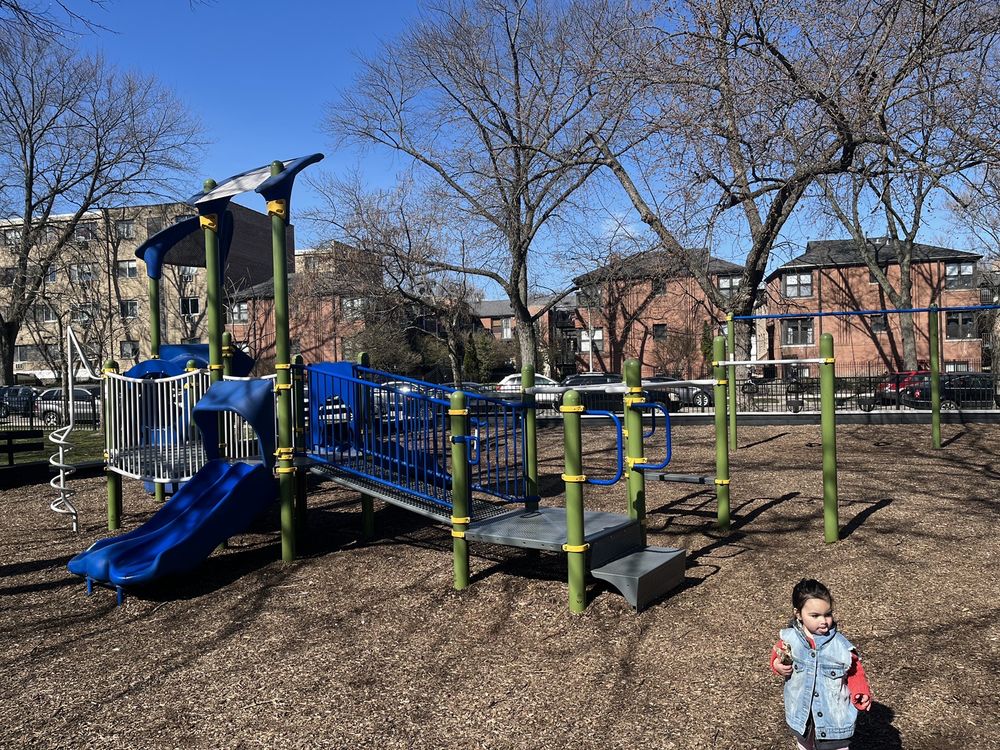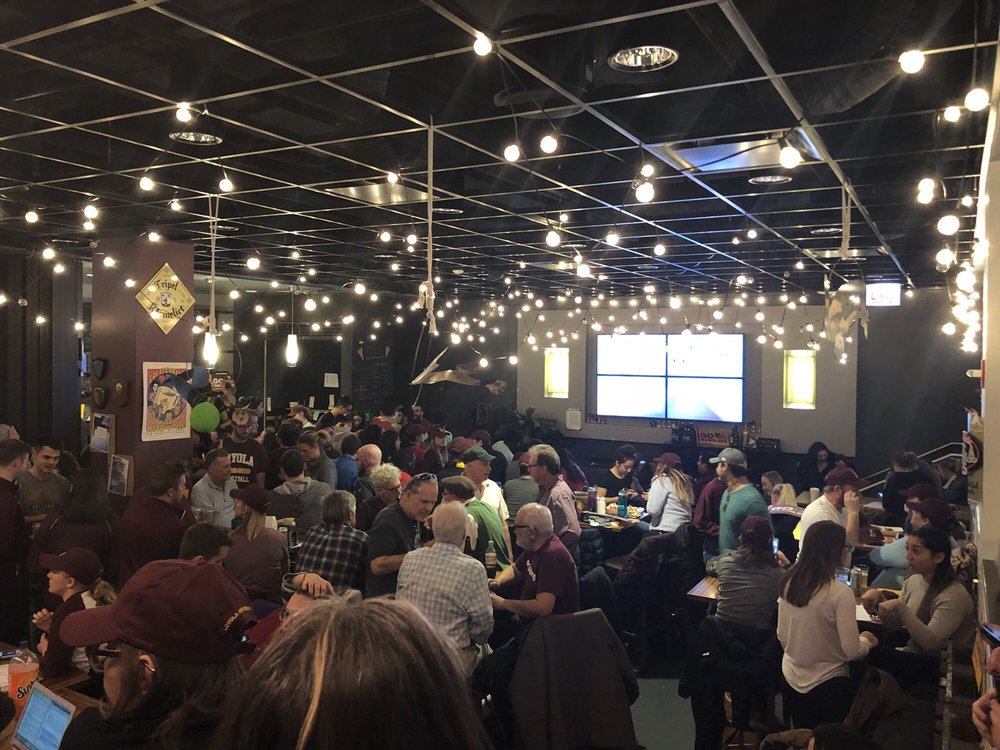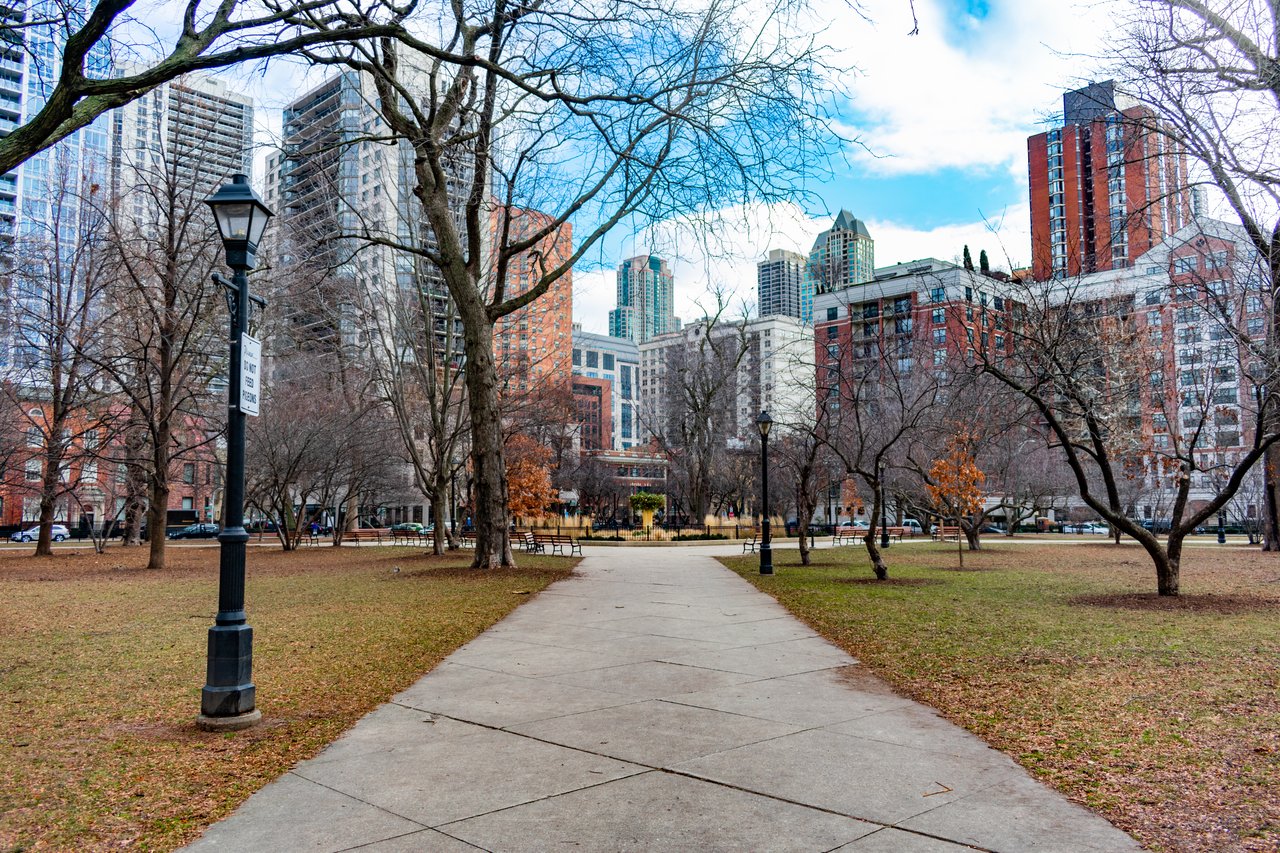
Rogers Park offers something that has become increasingly difficult to find in many North Side neighborhoods: the opportunity to get more space, architectural character and property for your money.
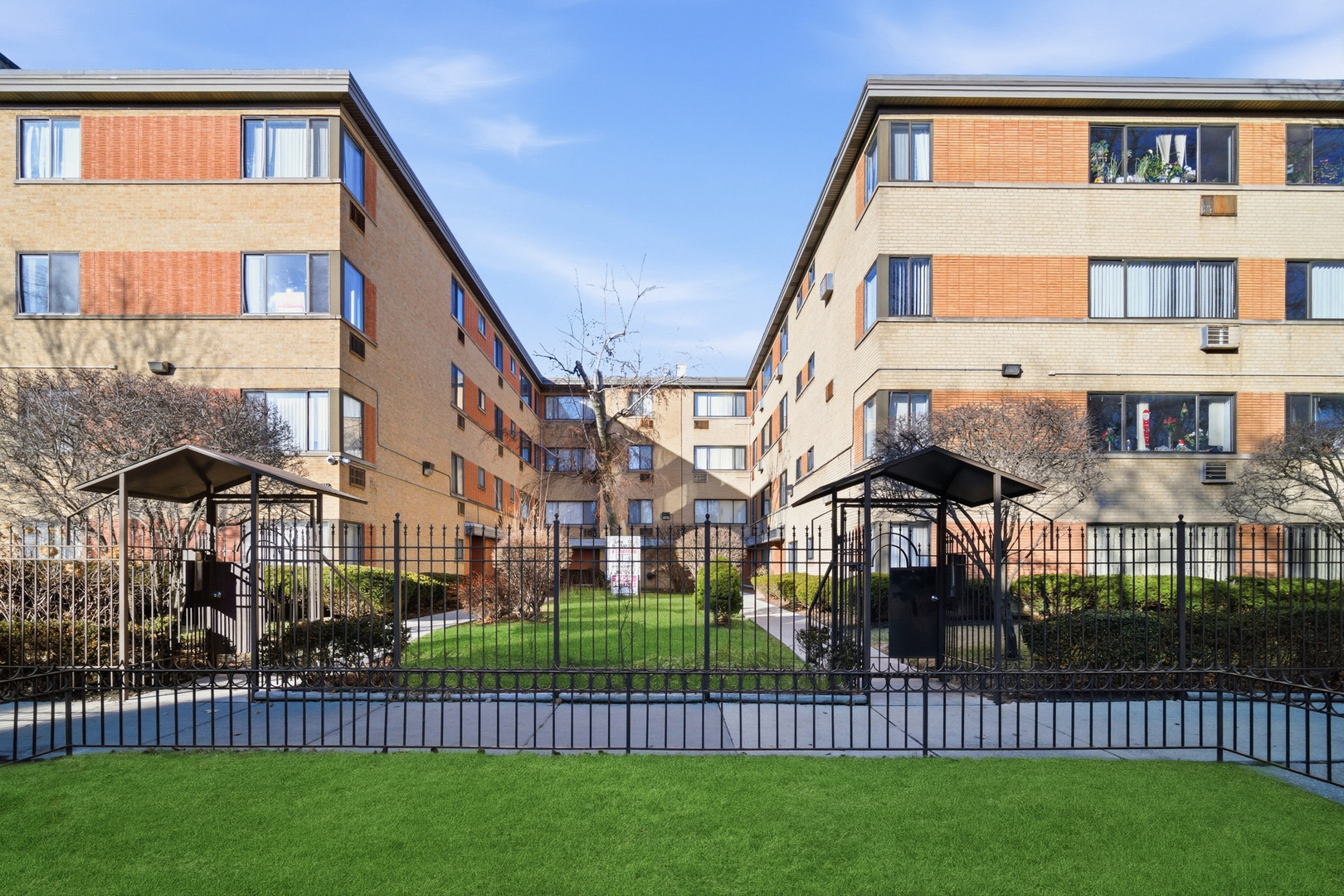
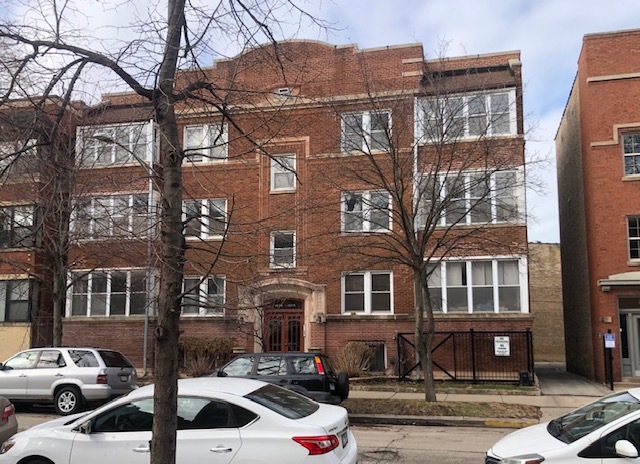
The housing stock is remarkably varied. Many condominium properties are vintage walk-ups and courtyard buildings, often within smaller associations ranging from just a few units to several dozen. That can create a more intimate ownership environment than a large high-rise, but it also means that the financial responsibility for maintaining the building is shared among fewer owners. Reserves, recent capital improvements and the possibility of future special assessments therefore deserve particular attention.
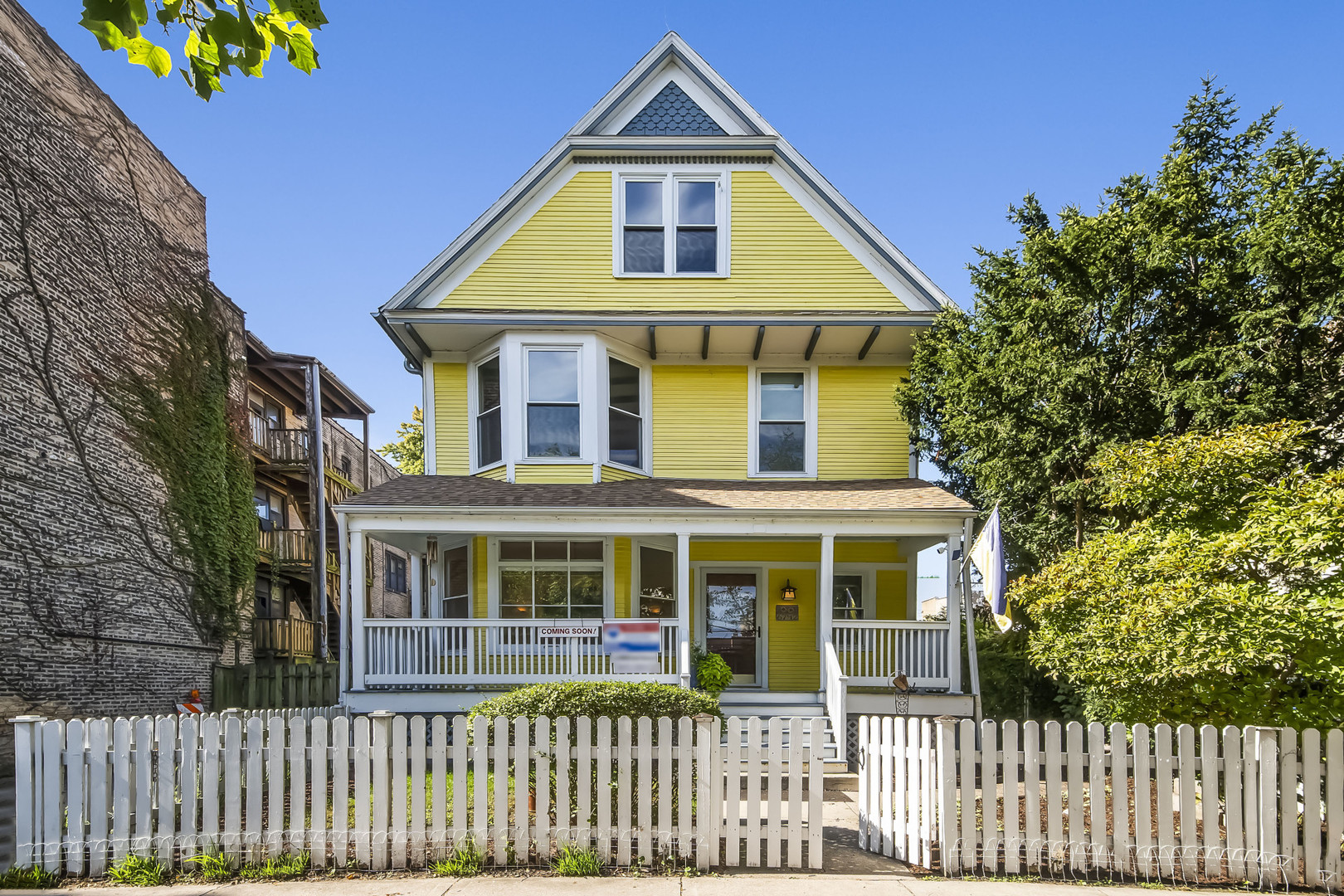
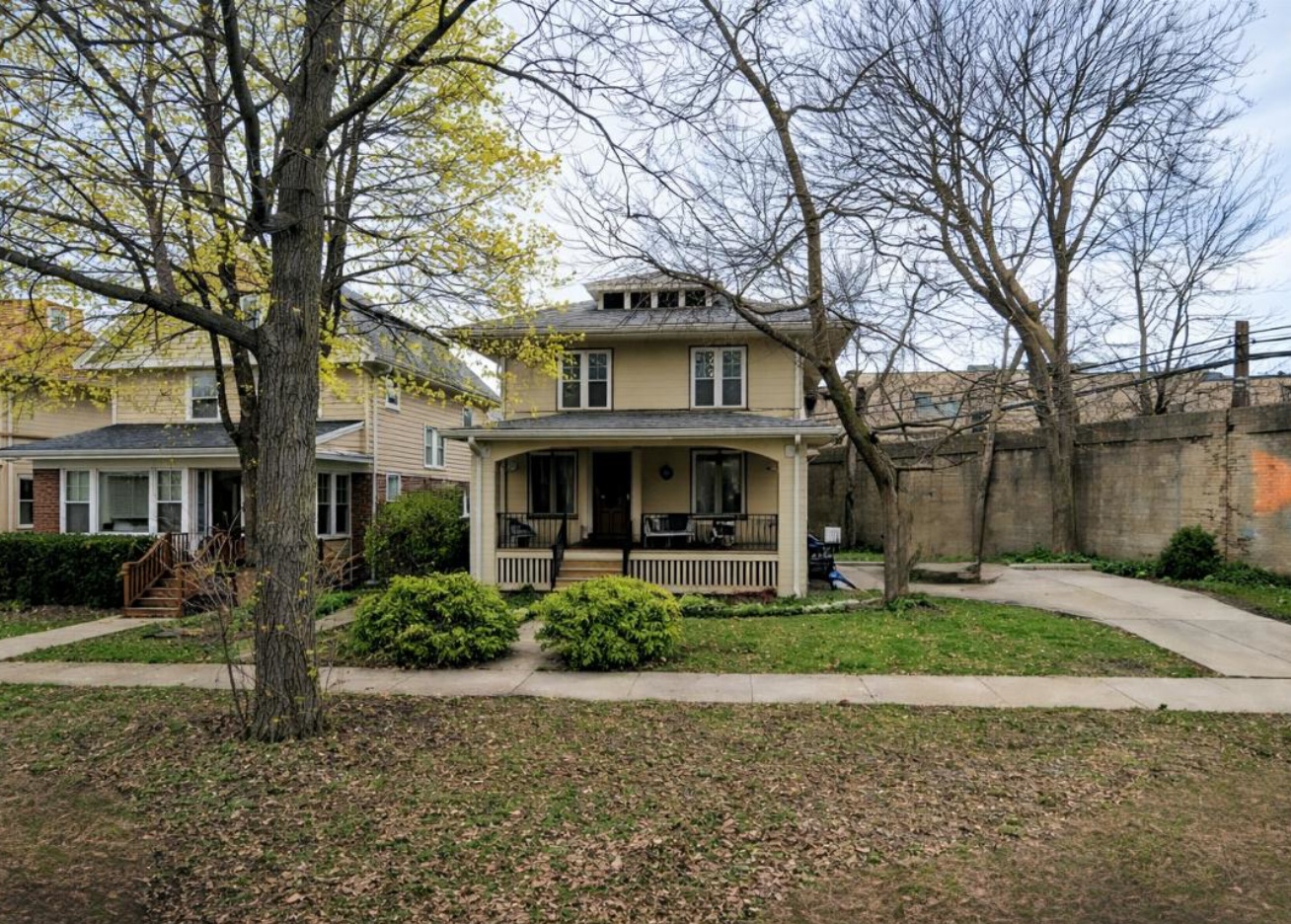
Rogers Park also has an impressive collection of vintage single-family homes. Some sit on unusually deep lots and retain architectural details that are increasingly difficult to find elsewhere—original hardwood floors and doors, crown molding, period hardware, leaded or stained-glass windows, generous room sizes and, in some homes, features such as a butler’s pantry. For buyers who value vintage architecture, outdoor space and a larger footprint, Rogers Park can offer compelling alternatives to considerably more expensive properties farther south.
Rogers Park does not feel like one uniform neighborhood.
The lakefront and Sheridan Road have their own residential character, including vintage homes and condominium buildings with close access to the beaches. Farther south, the Loyola area reflects the presence of the university and Red Line access, although buyers sometimes assume that living near a university automatically means living amid a loud late-night student environment. In my experience, Loyola does not create that kind of atmosphere throughout the surrounding neighborhood.
Around Morse and Glenwood, the neighborhood becomes more locally commercial and arts-oriented, with independent businesses and an established community presence. Jarvis has a similarly distinct identity on a smaller scale. Move farther west and you encounter beautifully maintained vintage courtyard buildings, walk-up condominiums and single-family homes woven together along residential streets.
West Rogers Park feels different again, with its own established communities, parks, commercial areas and housing patterns. Rather than treating all of Rogers Park as interchangeable, buyers benefit from spending time in its different residential pockets and understanding how each fits the way they want to live.
For a condominium buyer in Rogers Park, I pay close attention to the association as well as the individual unit.
That includes reserve levels, current or anticipated special assessments, the age and condition of the roof, masonry, plumbing and other major building systems, along with recent capital projects and ongoing maintenance. In smaller associations, those considerations can become especially important because significant expenses are divided among fewer owners.
Practical features matter as well. In-unit laundry, parking, storage and proximity to transit can materially affect both everyday convenience and resale. Parking can be particularly valuable in Rogers Park, while properties close to the elevated train require buyers to consider their individual tolerance for train noise.
One of the neighborhood’s most underrated assets is its lakefront.
The beaches in Rogers Park have a very different feel from the more heavily trafficked lakefront areas farther south. They can be broad, sandy and community-oriented, with parks that become gathering places for families, friends, picnics, recreation, arts and neighborhood events during warmer months.
For buyers who want access to Lake Michigan without paying the premiums associated with some neighborhoods farther south, that combination of beach access and relative housing value can be particularly attractive.
Value is one of the reasons I believe buyers should consider Rogers Park.
Comparable purchasing power can often provide more square footage, more architectural detail or more outdoor space here than in neighborhoods such as Andersonville, Lakeview or Lincoln Square. For a single-family buyer, that may mean a larger vintage home on a deeper lot with a backyard, deck and garage. For a condominium buyer, it may mean a larger floor plan in a well-maintained vintage building with original architectural details.
There is a tradeoff. Rogers Park does not have one continuous retail corridor comparable to Clark Street through Andersonville, and its shops, restaurants and services are distributed among several smaller commercial pockets. Depending on where someone lives, everyday errands and shopping may require traveling beyond the immediate area.
For the right buyer, however, that tradeoff can make sense. If the priorities are space, character, lakefront access, public transportation and value, Rogers Park deserves serious consideration.
When selling in Rogers Park, I think it is important to identify what makes that particular property difficult to replicate.
For a vintage condominium, that might be generous square footage, original woodwork, crown molding, stained or leaded glass, a separate dining room, in-unit laundry, storage or dedicated parking. The association’s condition matters too, so recent improvements to the roof, masonry, windows, boiler or other major systems can become meaningful parts of the property's story.
For a single-family home, lot size and outdoor space can be significant selling points, along with preserved architectural details, renovations, garage parking and proximity to transportation, parks and the lakefront.
The goal is not simply to market a property as being “in Rogers Park.” It is to explain why that particular home, on that particular block and within that particular part of Rogers Park, offers something a buyer may have difficulty finding elsewhere on the North Side.
Patrick has represented clients across a range of residential properties throughout Rogers Park, giving him firsthand experience with the neighborhood’s varied housing stock and distinct residential pockets.
Representative transactions include:
Explore available listings in the area.
Sold
1432 W Chase Avenue
MLS #: 12588699

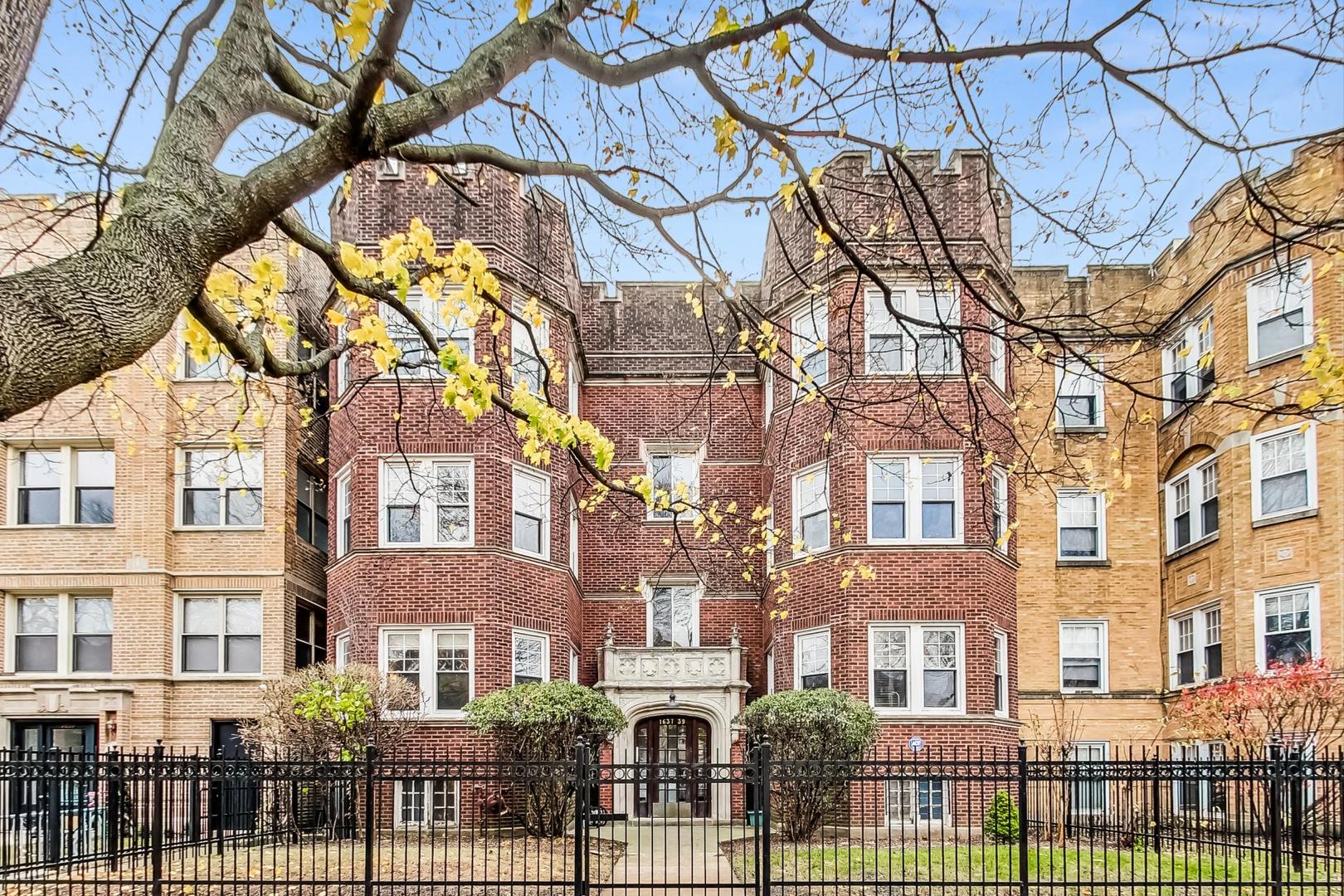
Sold
1637 W Chase Avenue Unit: 1E
MLS #: 12212829
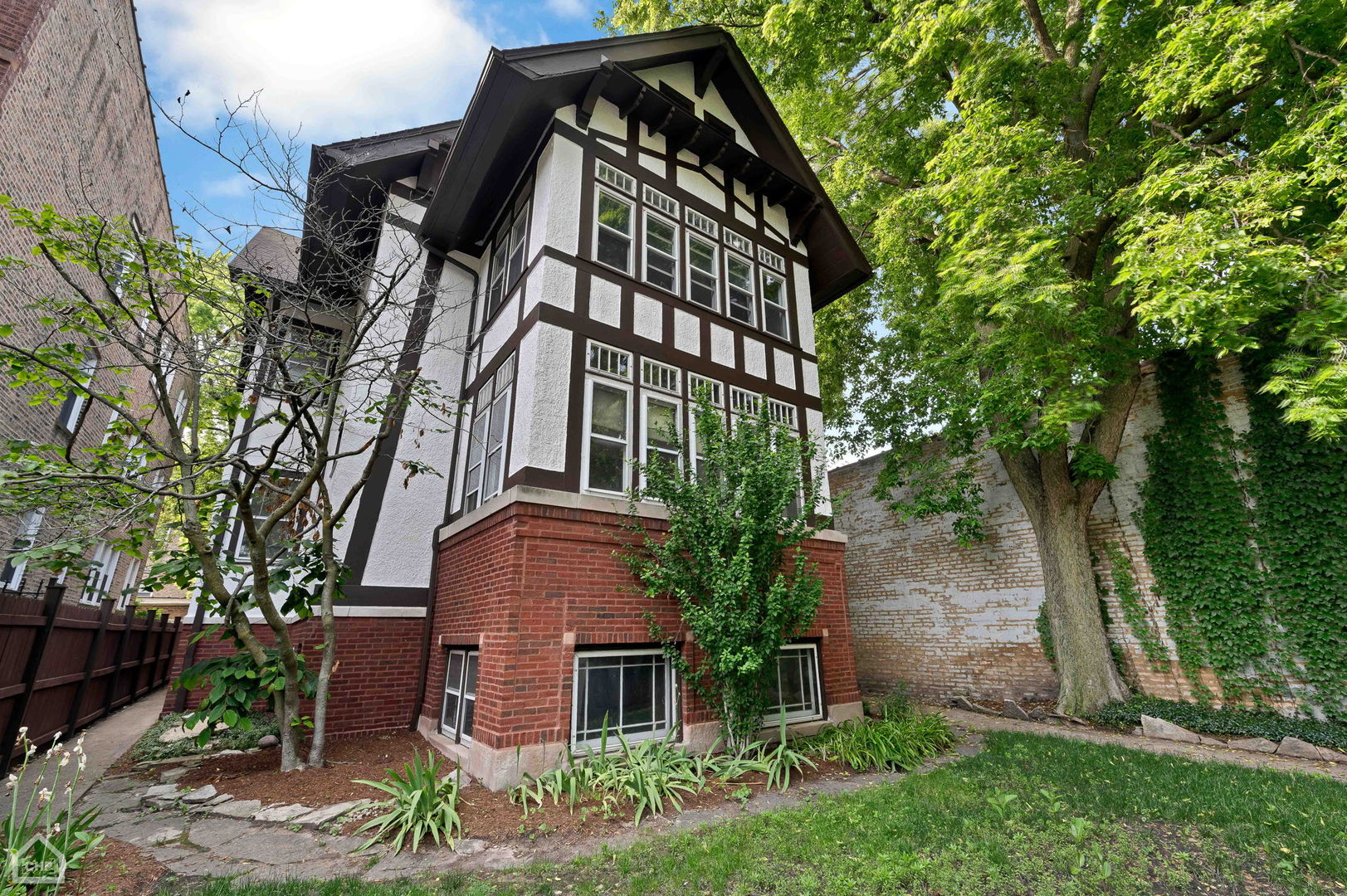
Sold
7616 N Rogers Avenue
MLS #: 12071037
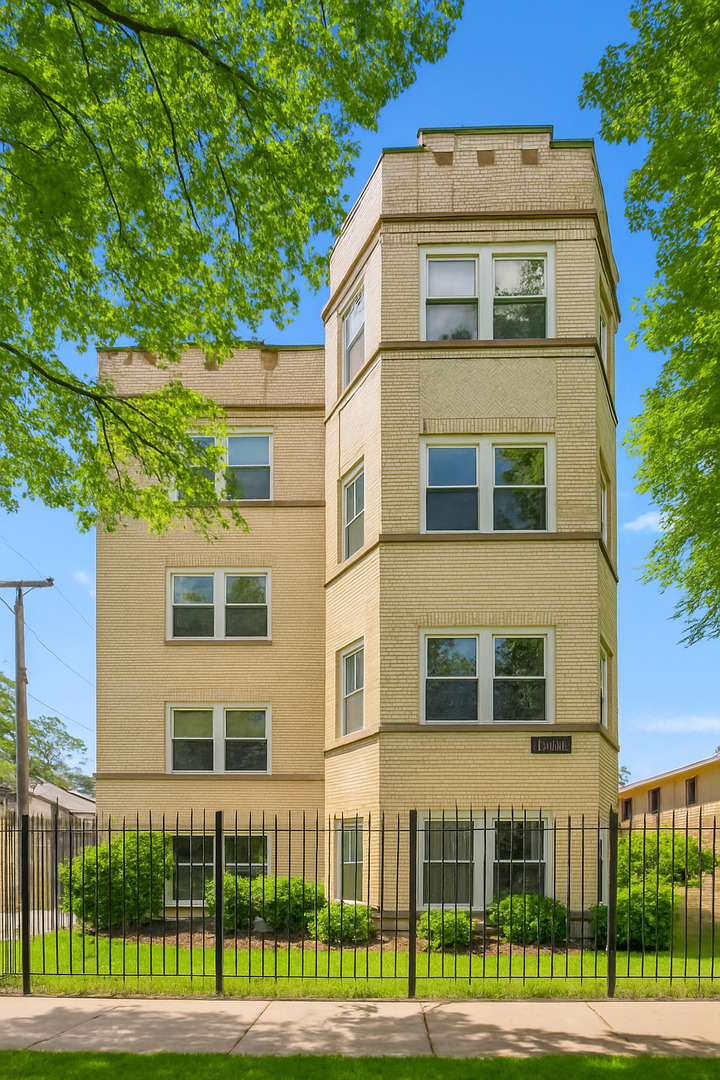
Sold
6414 N PAULINA Street Unit: G
MLS #: 12455208
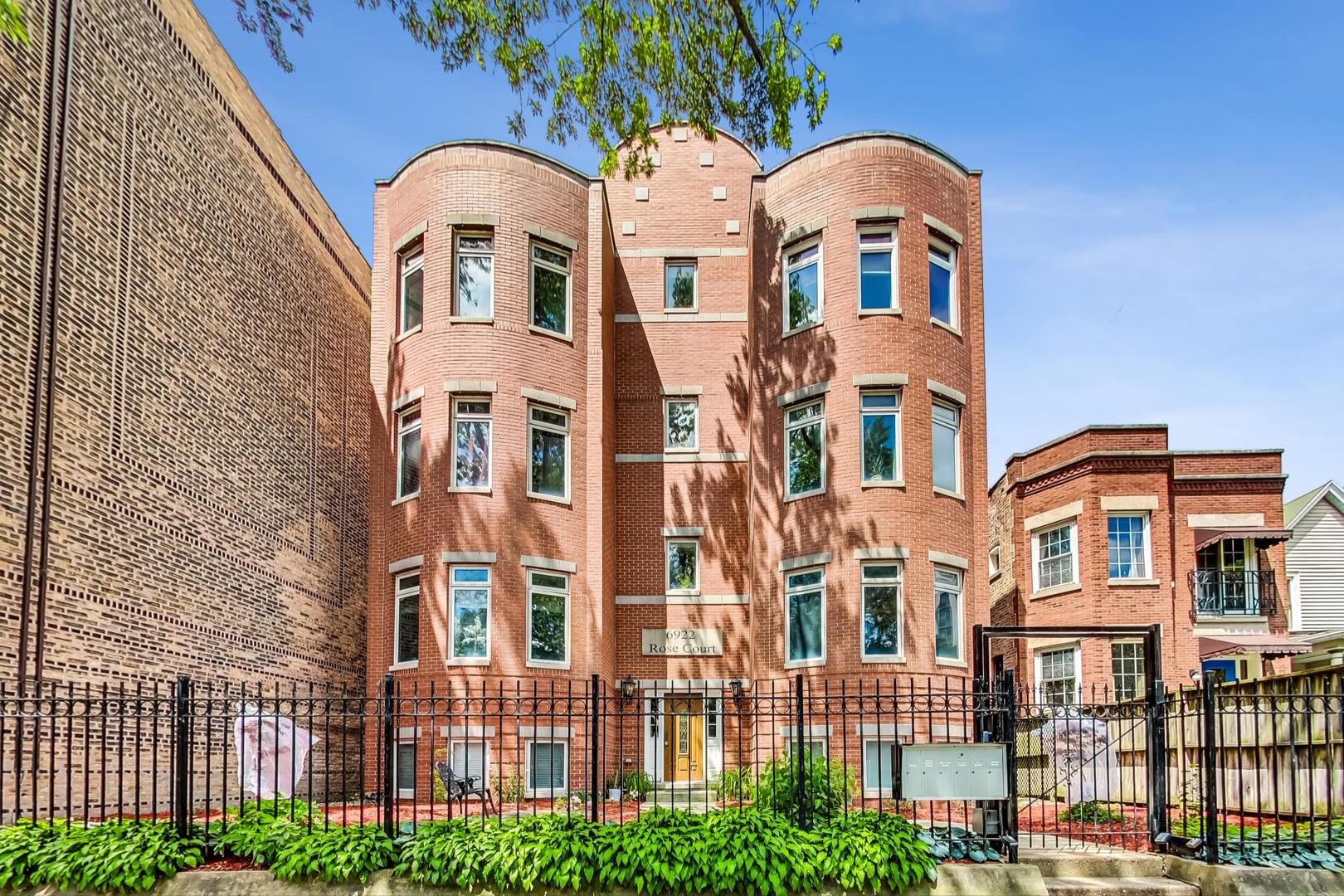
Sold
6922 N Lakewood Avenue Unit: 3N
MLS #: 12085590
54,388 people live in Rogers Park, where the median age is 38 and the average individual income is $38,964. Data provided by the U.S. Census Bureau.
Total Population
Median Age
Population Density Population Density This is the number of people per square mile in a neighborhood.
Average individual Income
There's plenty to do around Rogers Park, including shopping, dining, nightlife, parks, and more. Data provided by Walk Score and Yelp.
Explore popular things to do in the area, including Wild Onion Market, Super Mercado Carreta, and La Puerta Negra.
| Name | Category | Distance | Reviews |
Ratings by
Yelp
|
|---|---|---|---|---|
| Dining | 0.17 miles | 22 reviews | 4.2/5 stars | |
| Dining | 0.26 miles | 0 reviews | 0/5 stars | |
| Dining | 0.3 miles | 0 reviews | 0/5 stars | |
| Dining · $ | 0.47 miles | 1 review | 1/5 stars | |
| Dining | 0.49 miles | 0 reviews | 0/5 stars | |
| Dining | 0.59 miles | 0 reviews | 0/5 stars | |
| Dining | 0.8 miles | 0 reviews | 0/5 stars | |
| Shopping | 0.19 miles | 0 reviews | 0/5 stars | |
| Shopping | 0.21 miles | 1 review | 1/5 stars | |
| Shopping | 0.21 miles | 0 reviews | 0/5 stars | |
| Active | 0.29 miles | 1 review | 5/5 stars | |
| Active | 0.58 miles | 9 reviews | 3.7/5 stars | |
| Active | 0.79 miles | 0 reviews | 0/5 stars | |
| Nightlife | 0.85 miles | 4 reviews | 4.8/5 stars | |
| Beauty | 0.24 miles | 36 reviews | 3.9/5 stars | |
| Beauty | 0.37 miles | 7 reviews | 4.3/5 stars | |
|
|
||||
|
|
||||
|
|
||||
|
|
||||
|
|
||||
|
|
Rogers Park has 25,978 households, with an average household size of 2. Data provided by the U.S. Census Bureau. Here’s what the people living in Rogers Park do for work — and how long it takes them to get there. Data provided by the U.S. Census Bureau. 54,388 people call Rogers Park home. The population density is 32,301 and the largest age group is Data provided by the U.S. Census Bureau.
Total Population
Population Density Population Density This is the number of people per square mile in a neighborhood.
Median Age
Men vs Women
Population by Age Group
0-9 Years
10-17 Years
18-24 Years
25-64 Years
65-74 Years
75+ Years
Education Level
Total Households
Average Household Size
Average individual Income
Households with Children
With Children:
Without Children:
Marital Status
Blue vs White Collar Workers
Blue Collar:
White Collar:
Whether you're preparing to sell, beginning a home search or simply trying to understand your options, let's have a conversation about your goals and the market.
Patrick O'Brien
Office Address
2350 NORTH LINCOLN AVE 3RD FLR
CHICAGO IL 60614