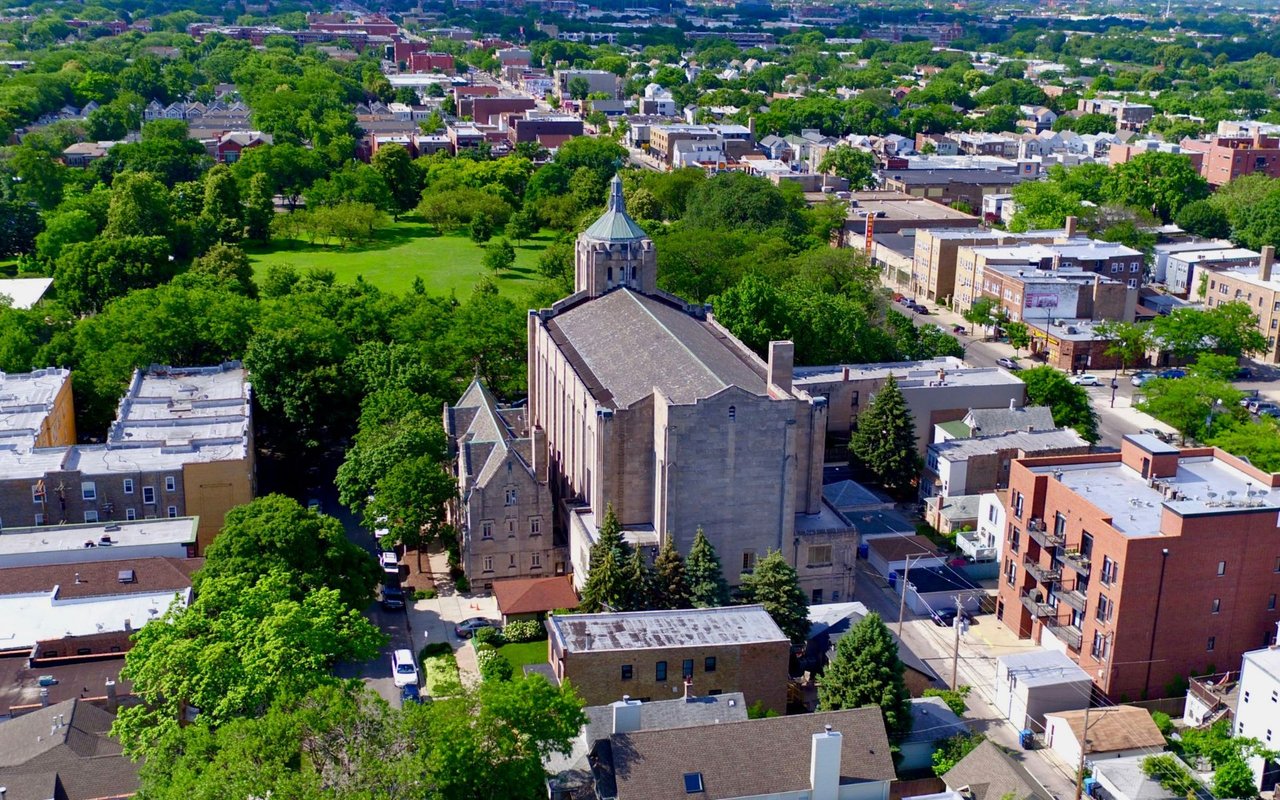
Discover Lincoln Square Chicago Real Estate & Lifestyle
What distinguishes the neighborhood for me is the balance between activity and residential calm.
What distinguishes the neighborhood for me is the balance between activity and residential calm.
Lincoln Square combines many of the qualities buyers seek on Chicago's North Side: quiet tree-lined residential streets, a recognizable neighborhood center, independent shops and restaurants, parks, community events and access to public transportation.
What distinguishes the neighborhood for me is the balance between activity and residential calm. Around Lincoln Avenue, Lawrence Avenue, Western Avenue and the Ravenswood corridor, residents have restaurants, coffee shops, boutiques, services and community destinations within walking distance. Move away from those corridors and the neighborhood quickly becomes quieter, with landscaped blocks of single-family homes, two- and three-flats and smaller condominium buildings.
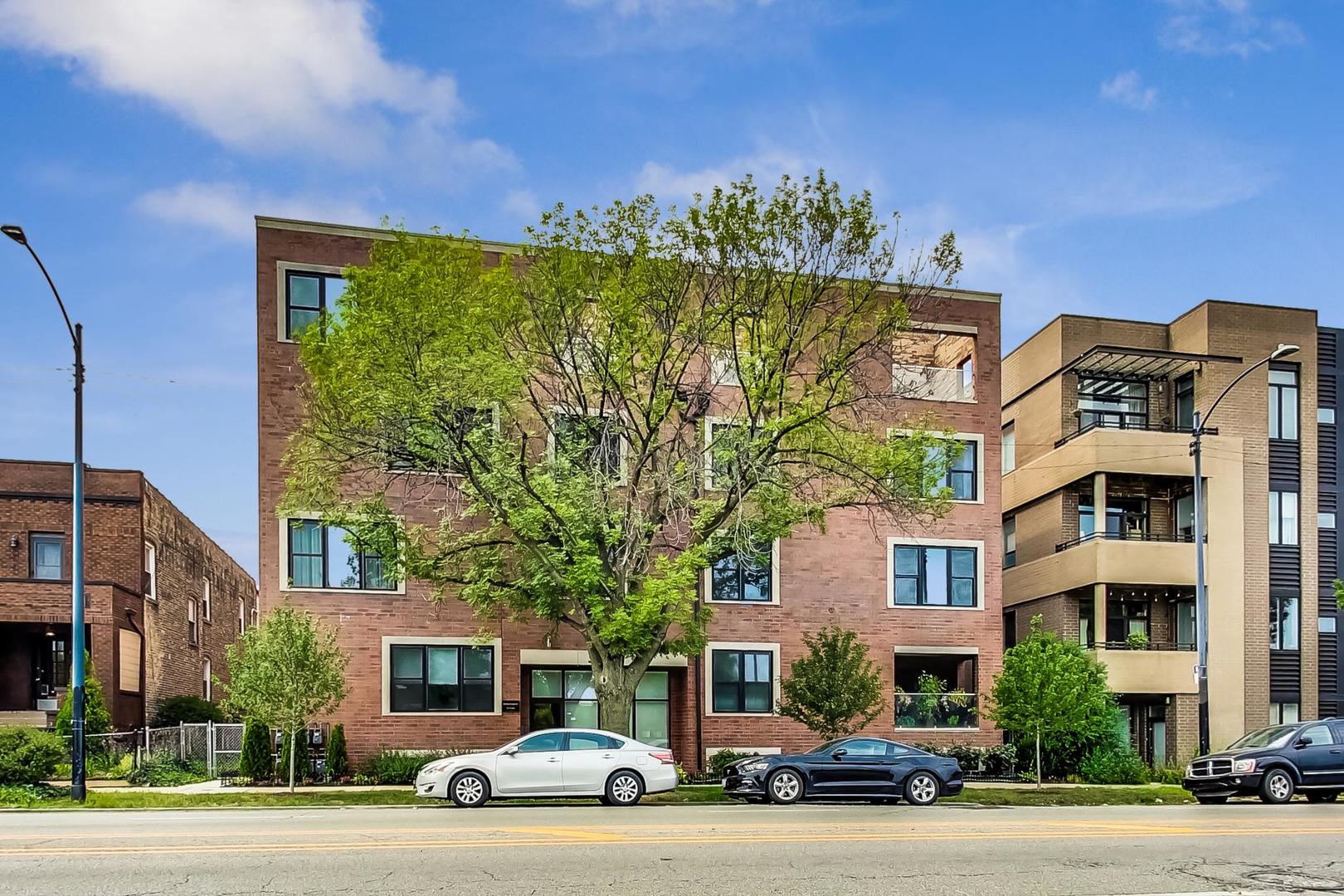
The housing stock is also more varied than some buyers initially expect. Lincoln Square includes vintage condominiums, courtyard buildings, two- and three-flats, converted multifamily properties, substantial single-family homes and a smaller amount of newer condominium construction.
In my experience, buyers sometimes assume nearby Andersonville will necessarily be the more expensive market. Lincoln Square can be every bit as competitive - and in some segments, particularly single-family homes, more expensive - because of the neighborhood's desirability, limited inventory and the redevelopment of its housing stock over the past couple of decades.
Lincoln Square has a residential scale that feels different from many neighborhoods closer to the lake. Large modern elevator condominium buildings and high-rises are not what define this market. Instead, buyers frequently encounter smaller associations, vintage walk-ups, courtyard properties, two- and three-flats and single-family homes.
That scale is part of the appeal. A buyer who wants a six-, twelve- or twenty-four-unit condominium association may find Lincoln Square particularly attractive. At the same time, smaller associations make it especially important to understand reserves, capital projects and how financial responsibilities are shared among owners.
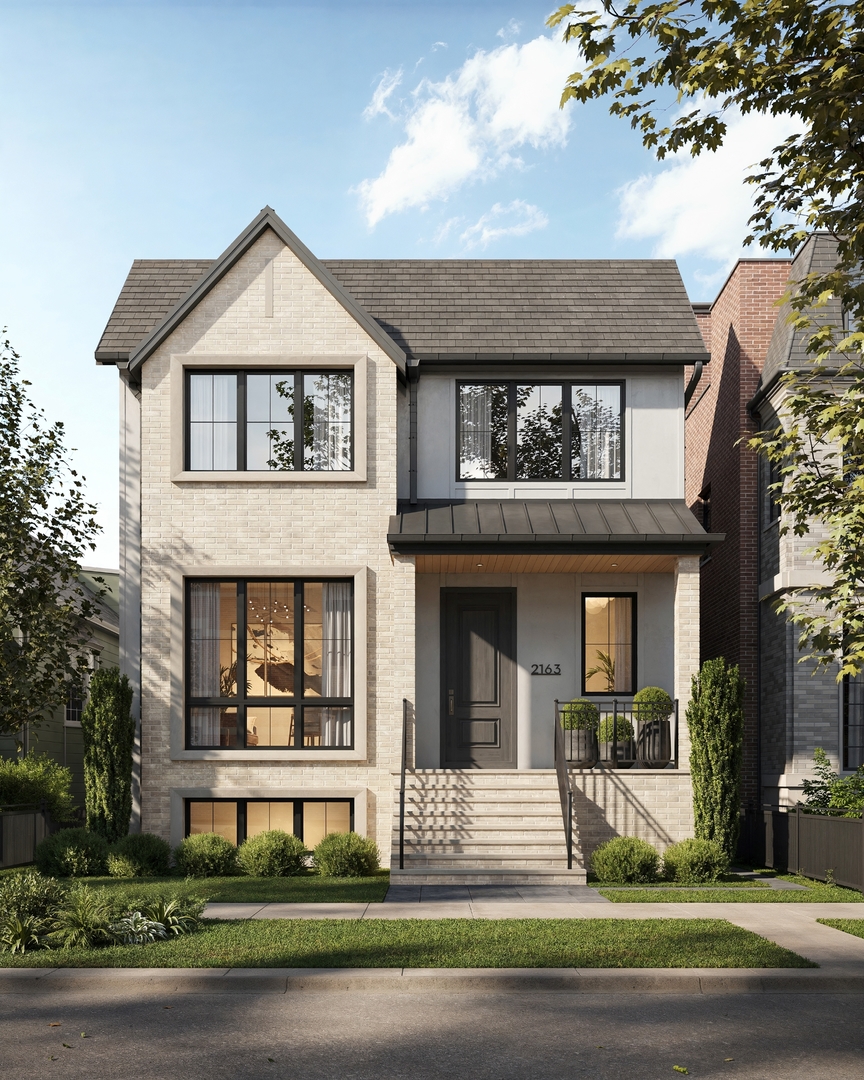
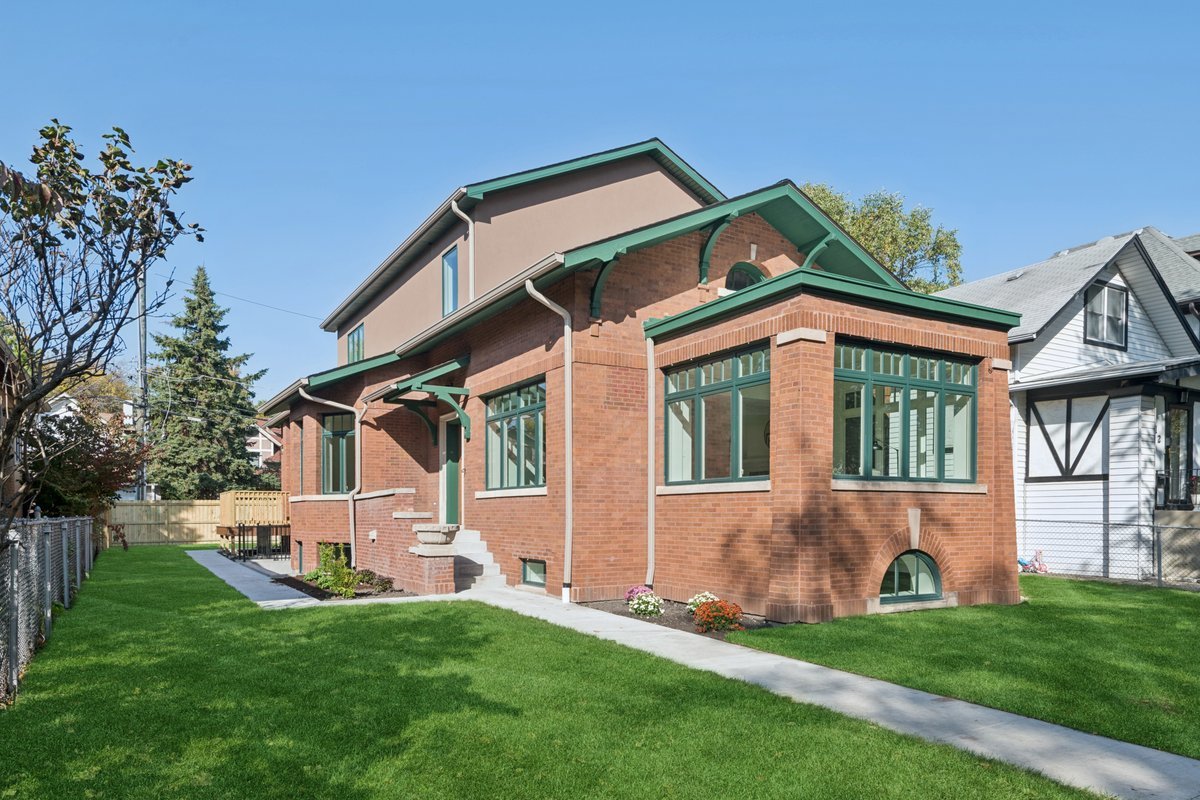
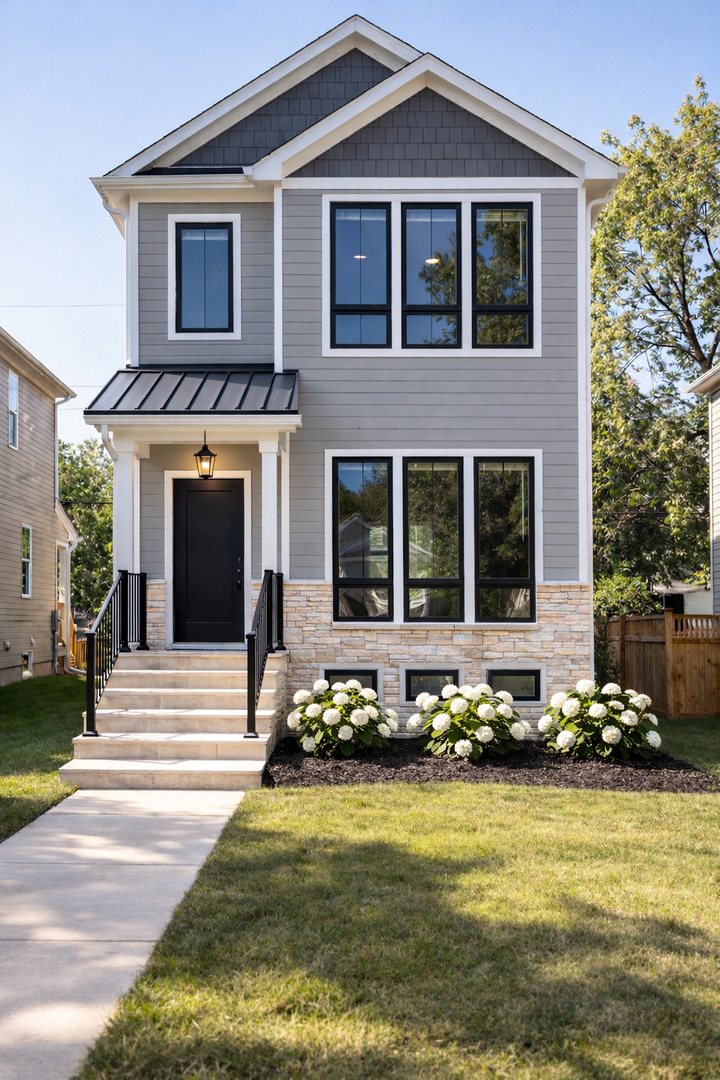
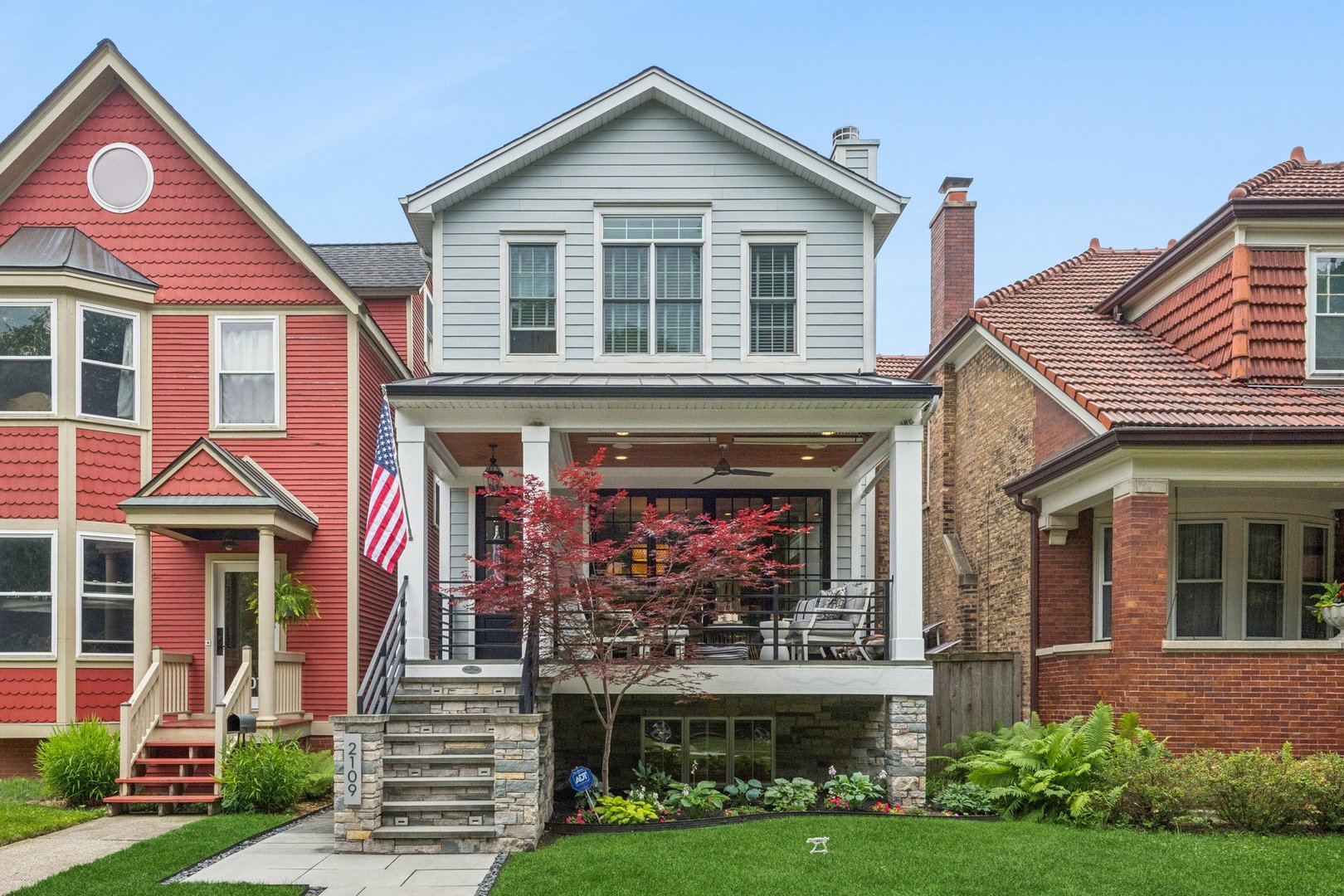
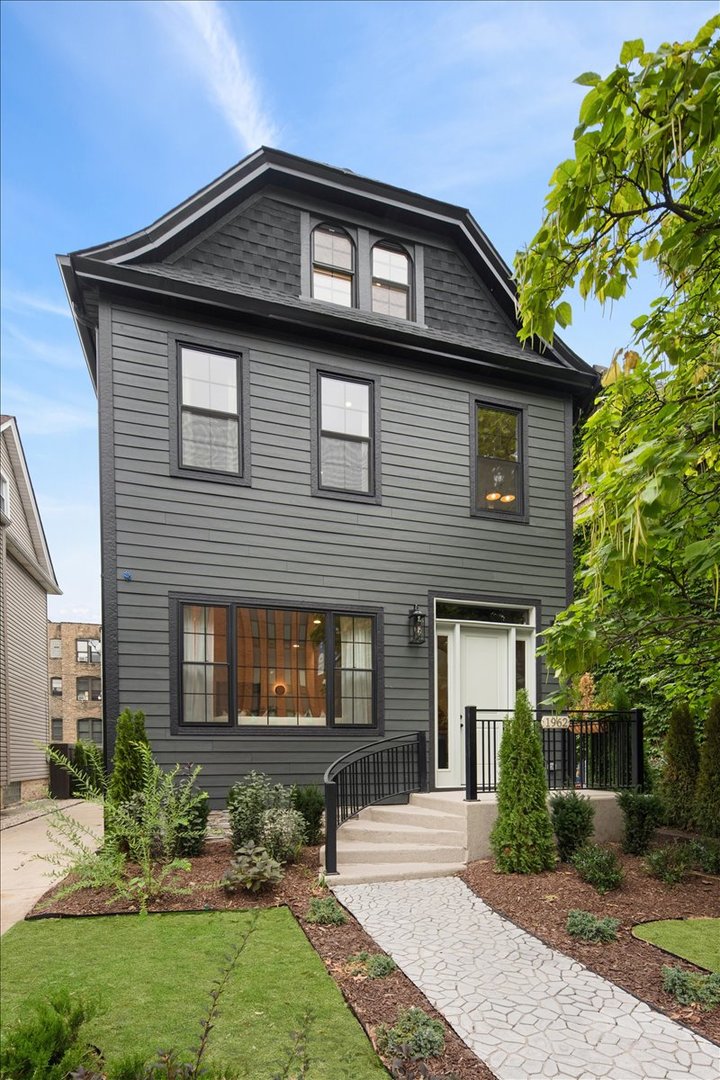
Single-family housing is another major part of the Lincoln Square story. Over time, developers and individual owners converted a number of older two- and three-flats into larger single-family homes, while newer luxury construction added another layer to the market. The result is a neighborhood where buyers can find substantial homes with contemporary layouts, finished lower levels, landscaped outdoor space, garages and garage roof decks alongside older vintage properties.
The area around Lincoln and Lawrence is the part of Lincoln Square many people recognize first. It has a distinct neighborhood-center feeling, with restaurants, coffee shops, boutiques, longtime independent businesses and community destinations concentrated around the square and nearby blocks.
Businesses such as Merz Apothecary contribute to that sense of continuity, while restaurants and newer independent businesses keep the district active. Community and seasonal events add another layer, making the commercial center feel like a place residents actually gather rather than simply a corridor they pass through.
The neighborhood library and nearby public spaces reinforce that community orientation. For buyers who want a walkable environment with a strong local identity, proximity to this part of Lincoln Square can be a significant advantage.
Around Lawrence and Ravenswood, the neighborhood takes on a different character. The Metra station and former industrial corridor create a mix of transportation, larger commercial uses and creatively reused buildings.
Former industrial and loft spaces along and near the Ravenswood corridor now accommodate arts organizations, design and professional businesses, fitness and training studios, food and beverage businesses and other independent enterprises. Lillstreet Art Center is one of the recognizable examples of the area's creative identity.
That adaptive reuse gives this pocket a character that is different from both the traditional commercial center farther west and the quieter residential streets surrounding it.
Moving south toward Montrose, Damen and Lincoln brings another collection of restaurants, neighborhood businesses and residential blocks. Buyers in this part of the neighborhood may use different transportation options and commercial corridors than someone living closer to Lawrence or Western.
That is why I think of Lincoln Square as a collection of connected pockets rather than a neighborhood with one single experience. The architecture, walkability and relationship to transit can change meaningfully within a relatively short distance.
Outside the commercial corridors, Lincoln Square is defined by well-maintained, tree-lined residential streets. Single-family homes, converted two- and three-flats and smaller condominium buildings create a lower-scale environment than buyers may associate with Lakeview or the lakefront neighborhoods.
Block parties, neighborhood events, gardening and active use of the streets and parks contribute to a visible sense of community. It is a neighborhood where people tend to walk out of their homes and participate in what is around them.
When I work with someone buying a condominium in Lincoln Square, I want to understand both the unit and the association behind it.
Reserves and monthly assessments matter, but the number alone is not enough. Buyers should understand what the assessment includes, how the association has historically managed the building and what projects have been completed or are being discussed.
In older buildings, I pay particular attention to roofs, masonry and tuckpointing, windows, basements, boilers, plumbing and risers, and exterior sealants. These are the kinds of projects that can materially affect both an owner's experience and the financial health of a smaller association.
Inside the unit, vintage character can be a major attraction, but it should be evaluated alongside the condition of the property. Windows, fireplaces and mechanical systems deserve attention. If a fireplace has been converted from wood-burning to gas, for example, buyers should understand the condition and history of that work.
In-unit laundry is a meaningful feature in this housing stock. In some vintage buildings, its presence can also indicate that plumbing infrastructure has been updated to accommodate it.
Parking is another important consideration. Dedicated spaces may be deeded or assigned, garage or exterior. Private balconies, rear decks, gardens, shared yards and roof decks can also differentiate otherwise similar properties.
Single-family homes are an important part of the Lincoln Square market, and they are one of the areas buyers sometimes underestimate.
The neighborhood includes older homes, converted two- and three-flats, properties built or substantially redeveloped in more recent decades and newer luxury construction. At the upper end, buyers can find large homes with sophisticated interiors, finished lower levels, substantial kitchens and baths, landscaped yards, multiple outdoor spaces, two-car garages and garage roof decks.
For buyers also considering West Lakeview or Lincoln Park, Lincoln Square can offer a compelling comparison. In my experience, square footage, interior layouts and finishes can be very similar, while a comparable Lincoln Square home may be available at a meaningfully lower price. It may not have every feature of the highest-end Lincoln Park new construction, but the differences are not always as significant as buyers expect.
Lot size matters. It affects the home itself, but also the backyard, garage, landscaping, decks and the overall relationship between indoor and outdoor space.
I also pay attention to the second-floor configuration of older single-family homes. Roof pitch and ceiling angles can affect the usability of bedrooms and bathrooms in ways that are not obvious from a square-footage figure. Sloped ceilings may influence furniture placement, circulation and even how comfortable a room feels in everyday use.
Lincoln Square can be overlooked by condominium buyers who begin their search farther east in neighborhoods such as Lakeview or Edgewater. I think that can be a mistake.
Buyers can find many of the same property characteristics here: well-maintained vintage condominiums, smaller associations, attractive walk-up buildings and occasional courtyard properties. Six-, twelve- and twenty-four-unit associations are part of the housing landscape, creating options for buyers who prefer a more intimate residential environment to a large condominium building. The difference is that the inventory is more dispersed throughout the neighborhood. That makes micro-location particularly important.
A property farther from a Brown Line station, the Ravenswood Metra station or a major bus corridor may require a buyer to combine forms of transportation for a commute. Buyers who prioritize walking directly to a train sometimes move their search east toward Lakeview. But dismissing Lincoln Square solely for that reason can mean overlooking very good properties.
The same is true for new construction. New condominium development is less prevalent here than in some other North Side neighborhoods, but it does exist. Buyers looking for newer construction should not automatically exclude Lincoln Square simply because the inventory is smaller.
Single-family buyers can overlook the neighborhood for a different reason. Buyers who assume they need to be in Lakeview or Lincoln Park to find contemporary layouts, sophisticated finishes, finished lower levels, garages and substantial outdoor space may be surprised by what is available in Lincoln Square.
Those properties are not necessarily concentrated immediately around the square. Some of the strongest options may be farther north or west on quiet residential streets. That is why I encourage buyers to evaluate Lincoln Square as a collection of residential pockets rather than judging the entire neighborhood by proximity to one commercial district or train station.
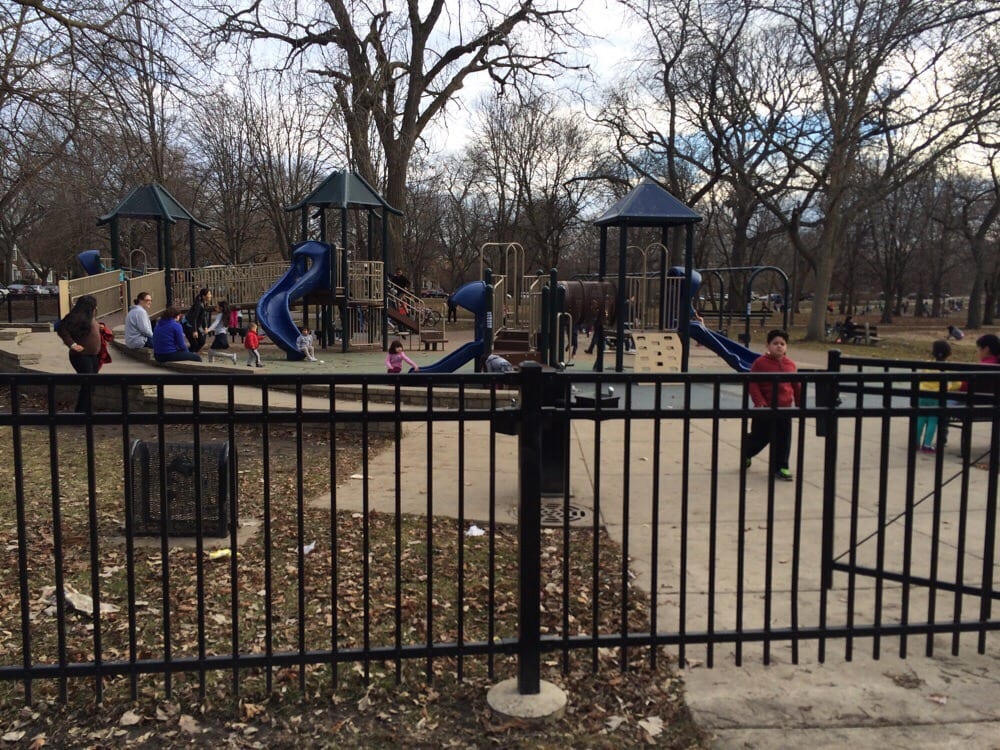
Parks and community activity are an important part of Lincoln Square's residential appeal. The neighborhood's public spaces, athletic fields and community programming help support the active, lived-in quality that buyers notice when they spend time here.
Winnemac Park is one of the area's particularly valuable outdoor assets. It provides substantial green space and supports a variety of recreational and community activities, making it a destination for nearby residents rather than simply an amenity on a map.
The park is also locally associated with a longstanding Fourth of July fireworks tradition that brings neighbors together each summer. That community participation reflects something I see throughout Lincoln Square: residents do not simply live in the neighborhood; they actively use and participate in it.
Transportation is an important part of evaluating a Lincoln Square property because access varies by micro-location. Brown Line stations, the Ravenswood Metra station and bus service along major corridors give residents several ways to move through the North Side and toward downtown.
For some buyers, being within an easy walk of rail transit is essential. Others are comfortable using a bus connection or living farther into a residential pocket in exchange for a particular home, lot or quieter block. Understanding that tradeoff is part of matching a buyer to the right part of Lincoln Square.
For a condominium, I look at the size and financial condition of the association, reserves, monthly assessments, square footage, renovation history and the major projects the building has completed or may be considering.
In-unit laundry, dedicated parking, storage and outdoor space - whether a balcony, rear deck, garden or roof deck - can materially affect buyer interest. The condition of the unit and the quality of prior renovations also matter, particularly when buyers are comparing multiple vintage properties.
For a single-family home, the analysis becomes considerably more property-specific. Lot width and depth, garage capacity, landscaping, decks, patios, fire-pit areas and garage roof decks all contribute to value and marketability.
The condition and age of major systems matter as well: roof, gutters, windows, heating and cooling equipment and other structural or mechanical components. Kitchens and bathrooms should be positioned in the context of when they were renovated and the quality of the work.
Floor plan is especially important. In older homes, upper-level roof pitch and ceiling angles can affect bedroom and bathroom usability. Finished lower-level space, storage and the relationship between indoor and outdoor areas can further distinguish properties that initially appear similar on paper.
Location within Lincoln Square should also be part of the positioning strategy. Proximity to transit, parks, commercial corridors and neighborhood schools can influence demand, but the strongest marketing explains the complete package rather than relying on one feature alone.
The objective is to identify what makes that particular Lincoln Square property difficult to replace - and position it against the homes buyers will actually consider as alternatives.
Patrick has represented buyers and sellers across Lincoln Square and the surrounding residential area, with transactions in multiple parts of the neighborhood.
Representative past sales include:
Additional Lincoln Square transactions are available in Patrick's past sales portfolio.
Lincoln Square rewards buyers who are willing to look beyond a single train stop or commercial corridor.
Its smaller condominium buildings, substantial single-family homes, neighborhood businesses, parks and quiet residential streets create a market with more range than many buyers initially expect.
For sellers, that range makes precise positioning especially important.
The strongest presentation explains not only the property itself, but how its building, block, transportation options, outdoor space and particular part of Lincoln Square fit into the choices buyers are making across Chicago's North Side.
Explore available listings in the area.
41,673 people live in Lincoln Square, where the median age is 36 and the average individual income is $64,601. Data provided by the U.S. Census Bureau.
Total Population
Median Age
Population Density Population Density This is the number of people per square mile in a neighborhood.
Average individual Income
There's plenty to do around Lincoln Square, including shopping, dining, nightlife, parks, and more. Data provided by Walk Score and Yelp.
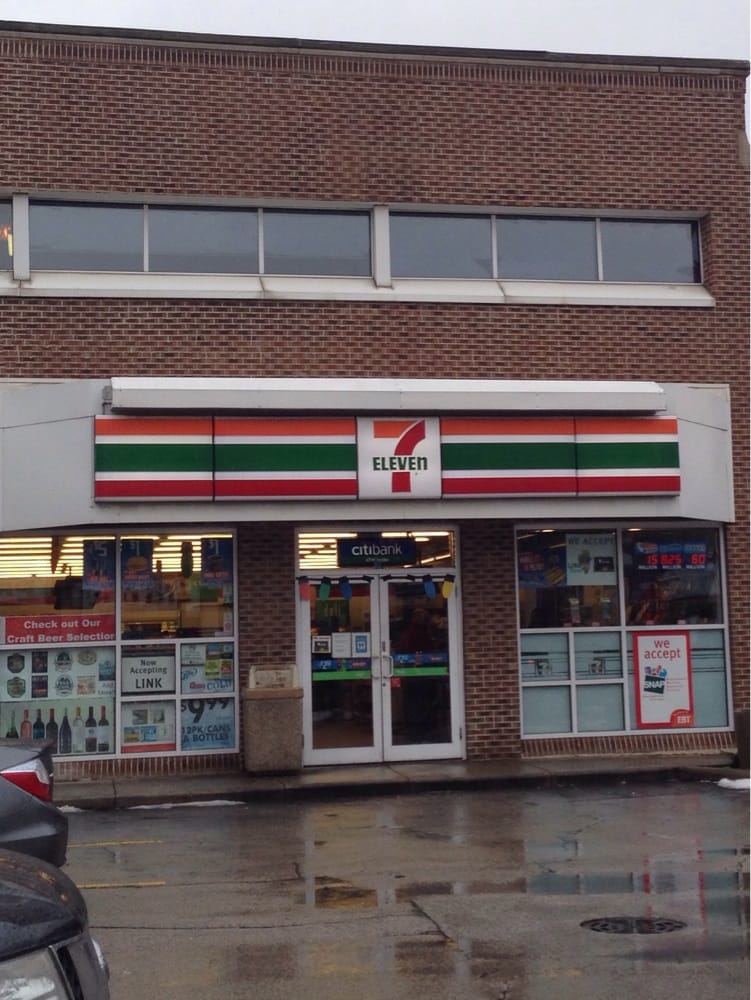
Explore popular things to do in the area, including Baskin-Robbins, So Addicted, and 7-Eleven.
| Name | Category | Distance | Reviews |
Ratings by
Yelp
|
|---|---|---|---|---|
| Dining · $ | 0.28 miles | 5 reviews | 2.6/5 stars | |
| Dining | 0.61 miles | 1 review | 1/5 stars | |
| Dining · $ | 0.64 miles | 13 reviews | 1.9/5 stars | |
| Shopping | 0.38 miles | 0 reviews | 0/5 stars | |
| Shopping | 0.49 miles | 0 reviews | 0/5 stars | |
| Active | 0.3 miles | 0 reviews | 0/5 stars | |
| Active | 0.55 miles | 0 reviews | 0/5 stars | |
| Active | 0.64 miles | 0 reviews | 0/5 stars | |
| Active | 0.75 miles | 18 reviews | 3.7/5 stars | |
| Active | 0.82 miles | 1 review | 5/5 stars | |
| Beauty | 0.24 miles | 0 reviews | 0/5 stars | |
| Beauty | 0.48 miles | 0 reviews | 0/5 stars | |
| Beauty | 0.49 miles | 0 reviews | 0/5 stars | |
| Beauty | 0.66 miles | 0 reviews | 0/5 stars | |
|
|
||||
|
|
||||
|
|
||||
|
|
||||
|
|
||||
|
|
Lincoln Square has 19,670 households, with an average household size of 2. Data provided by the U.S. Census Bureau. Here’s what the people living in Lincoln Square do for work — and how long it takes them to get there. Data provided by the U.S. Census Bureau. 41,673 people call Lincoln Square home. The population density is 21,528 and the largest age group is Data provided by the U.S. Census Bureau.
Total Population
Population Density Population Density This is the number of people per square mile in a neighborhood.
Median Age
Men vs Women
Population by Age Group
0-9 Years
10-17 Years
18-24 Years
25-64 Years
65-74 Years
75+ Years
Education Level
Total Households
Average Household Size
Average individual Income
Households with Children
With Children:
Without Children:
Marital Status
Blue vs White Collar Workers
Blue Collar:
White Collar:
Whether you're preparing to sell, beginning a home search or simply trying to understand your options, let's have a conversation about your goals and the market.
Patrick O'Brien
Office Address
2350 NORTH LINCOLN AVE 3RD FLR
CHICAGO IL 60614