Andersonville is one of those Chicago neighborhoods whose character is immediately recognizable.
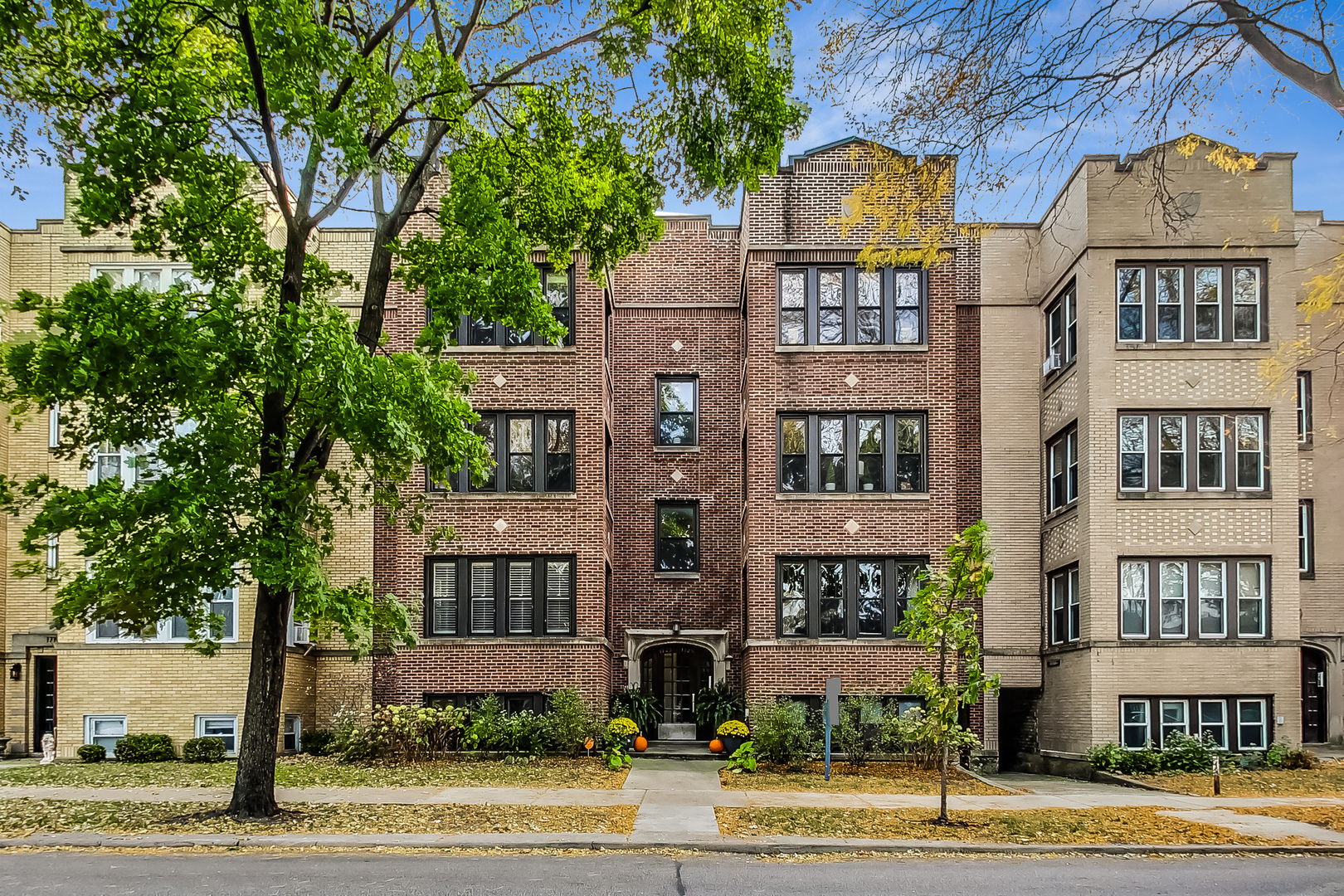
Vintage architecture, mature trees and carefully landscaped residential streets sit just beyond a walkable commercial corridor filled with independent shops, restaurants, cafes and neighborhood businesses.
What distinguishes Andersonville isn't any single feature. It's the concentration of them.
Buyers who are drawn to the neighborhood often respond to that combination - the architecture, walkability, independent businesses, established residential character and strong sense of community.
You can leave a quiet, tree-lined residential street and within a few minutes meet a friend for dinner, stop for coffee, browse a neighborhood shop or simply walk along Clark Street.
Andersonville feels distinctly connected to Chicago while maintaining an identity that is very much its own.
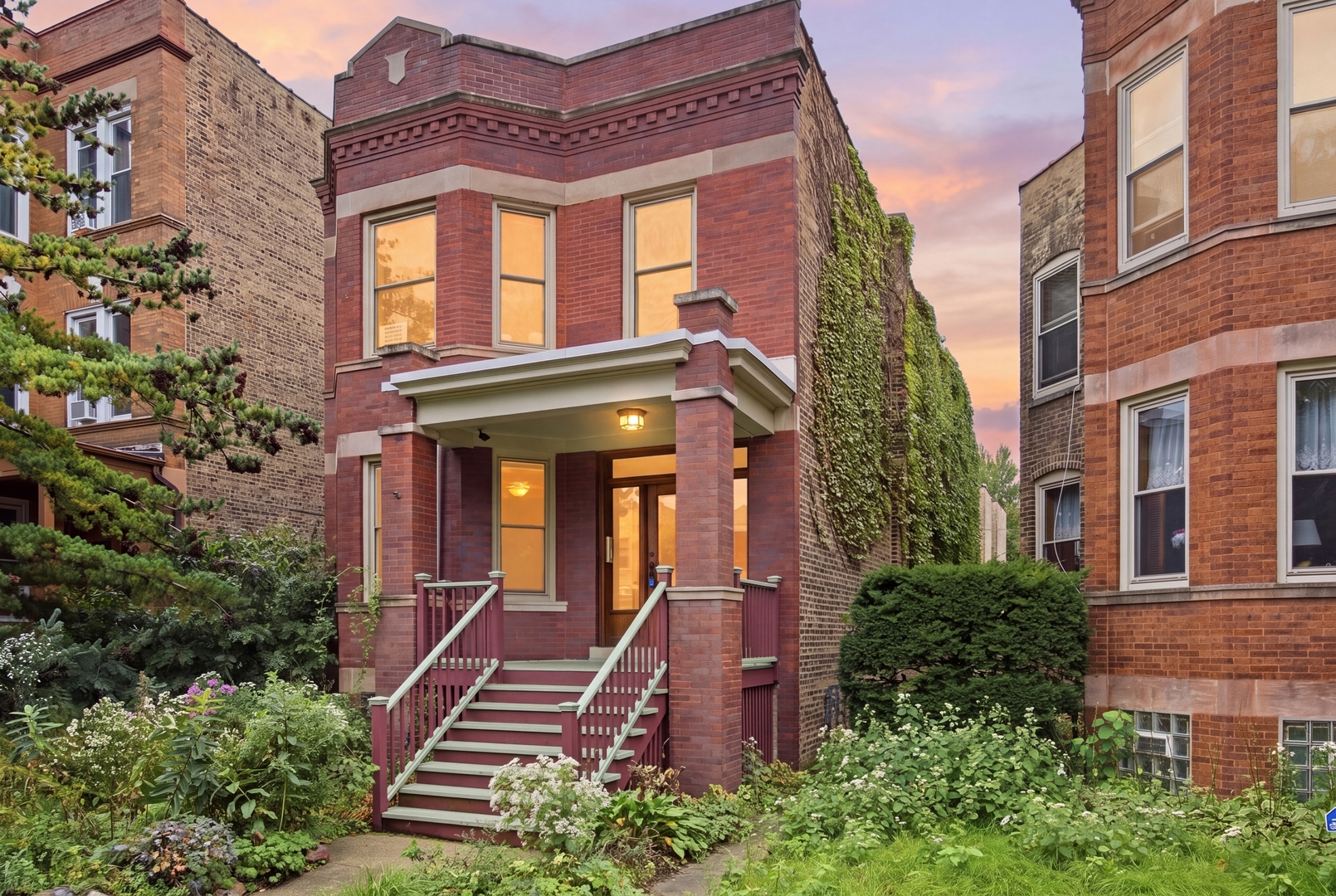
When I'm showing property in Andersonville, buyers are often drawn to the neighborhood's vintage housing and architectural character.
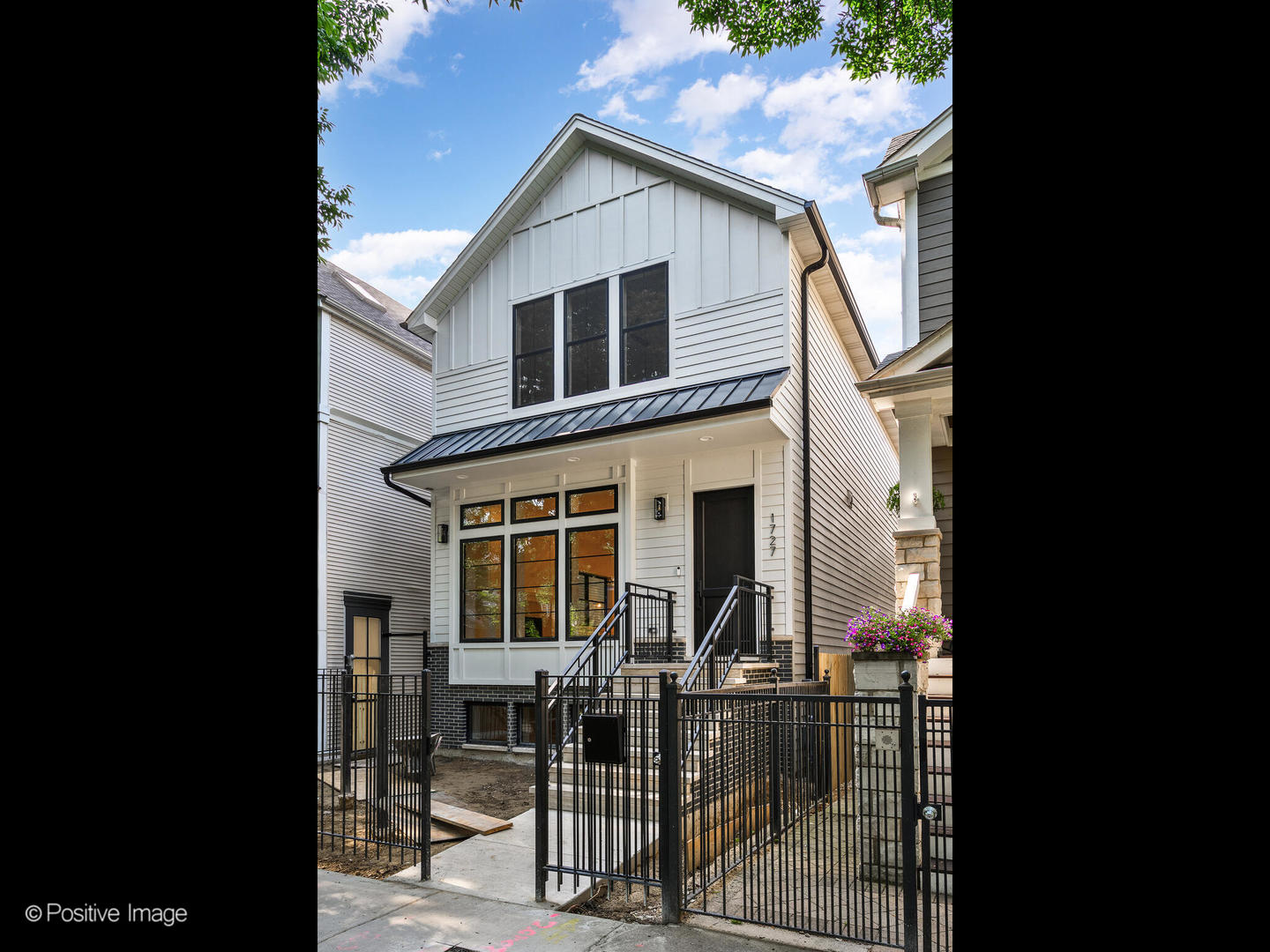
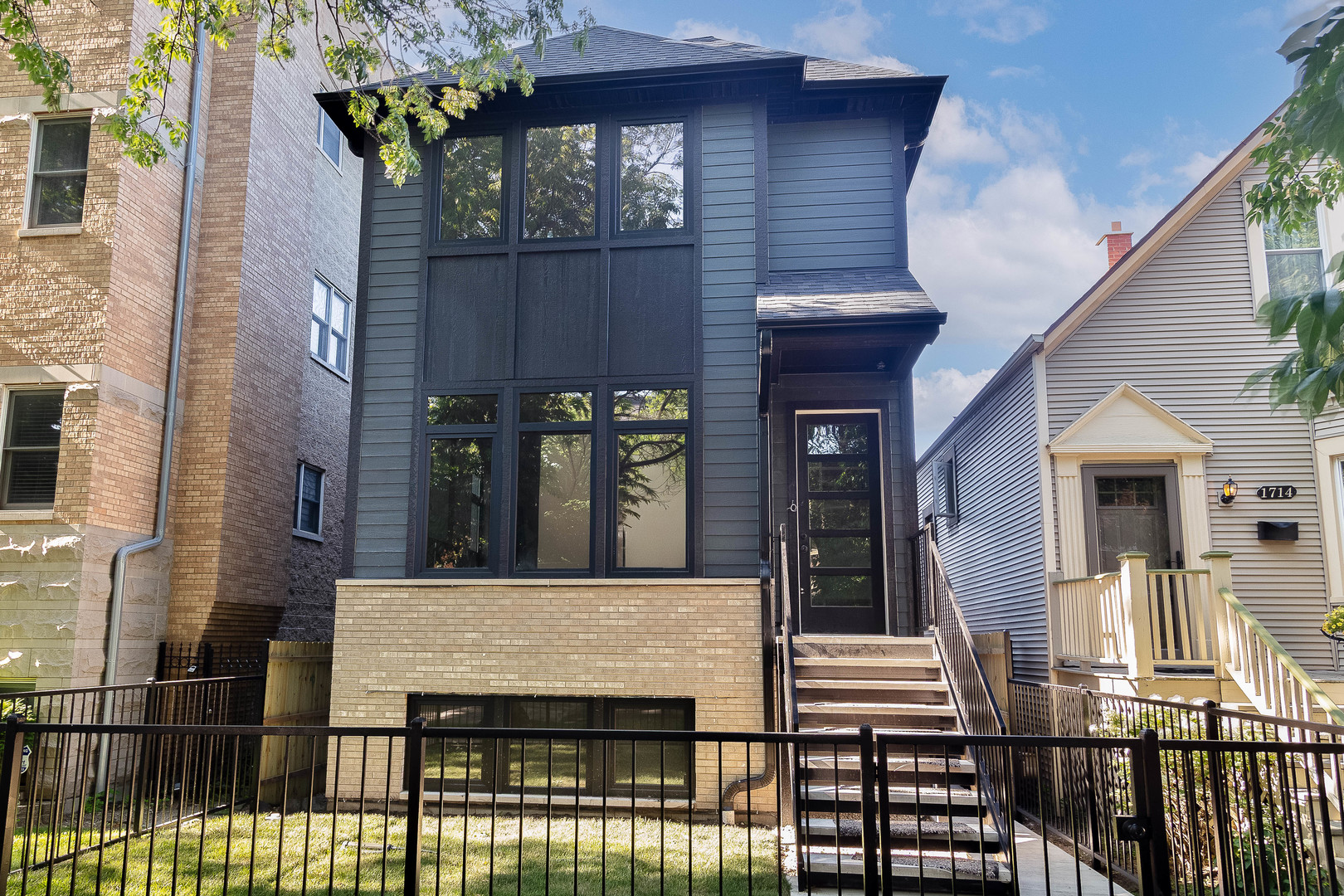
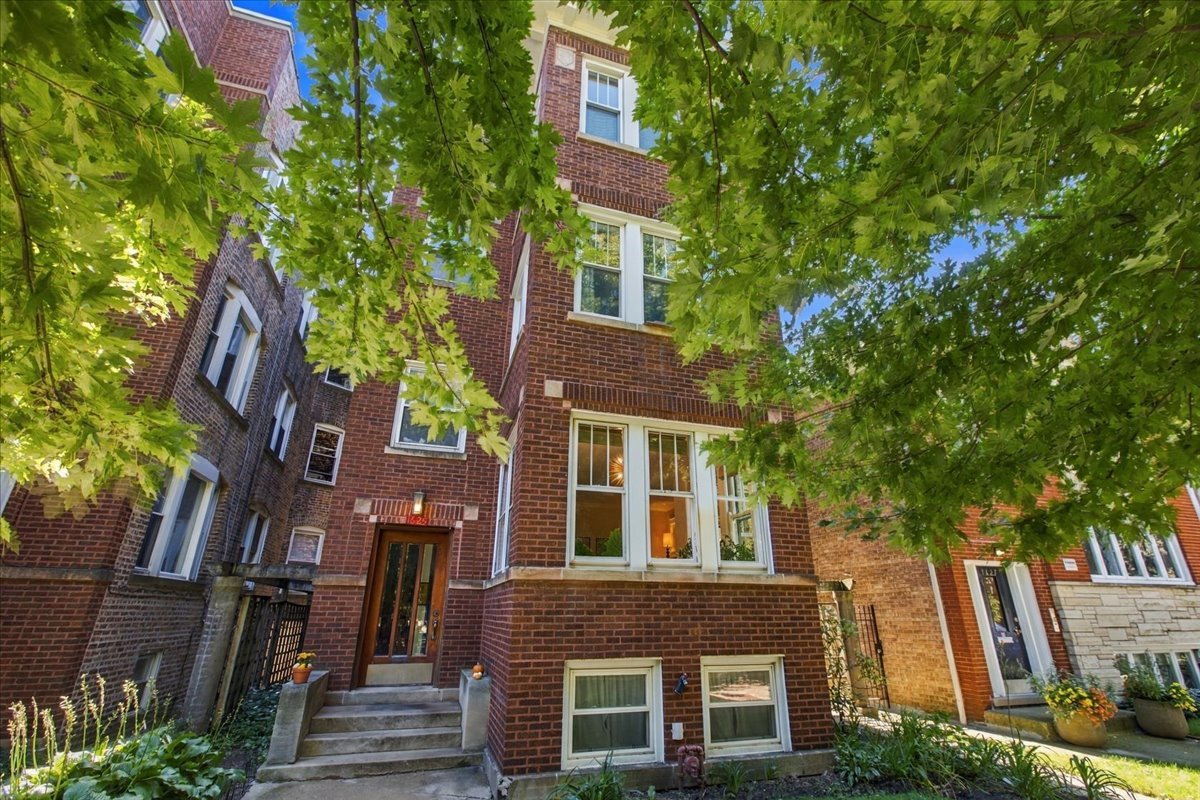
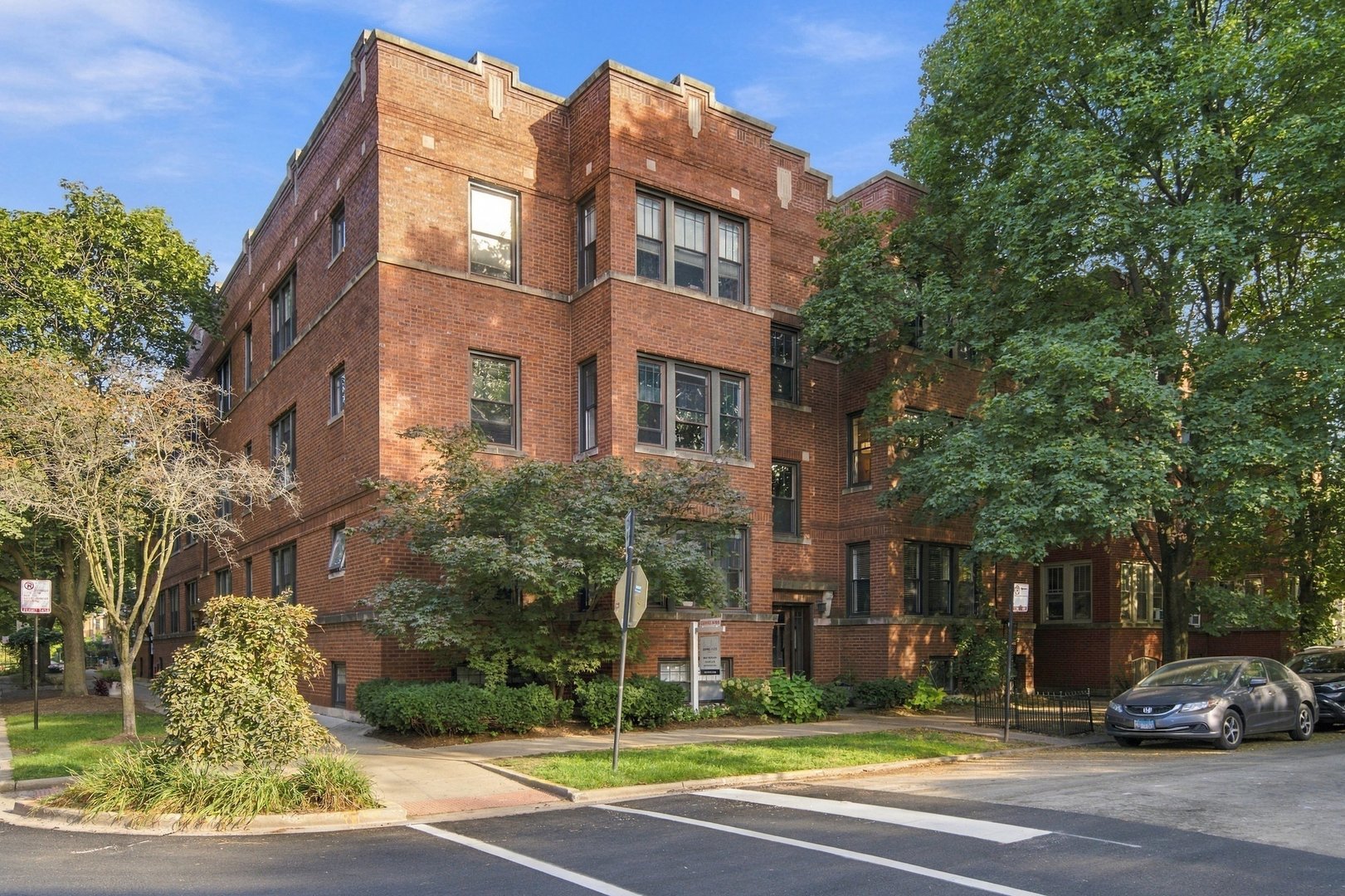
Courtyard condominium buildings, two- and three-flats, smaller walk-up buildings and single-family homes make up much of the residential environment, along with townhomes and newer condominium and single-family construction.
Many of the older properties retain details that buyers specifically seek out: hardwood floors, crown molding, original doors and hardware, vintage staircases and foyers, substantial room sizes, leaded or stained glass and other architectural elements that give the property character and personality.
Andersonville generally has a lower-scale residential character than the lakefront portions of neighboring Edgewater, where high-rise condominium living is much more prevalent.
That distinction affects not only the appearance of the neighborhood but also the experience of living there.
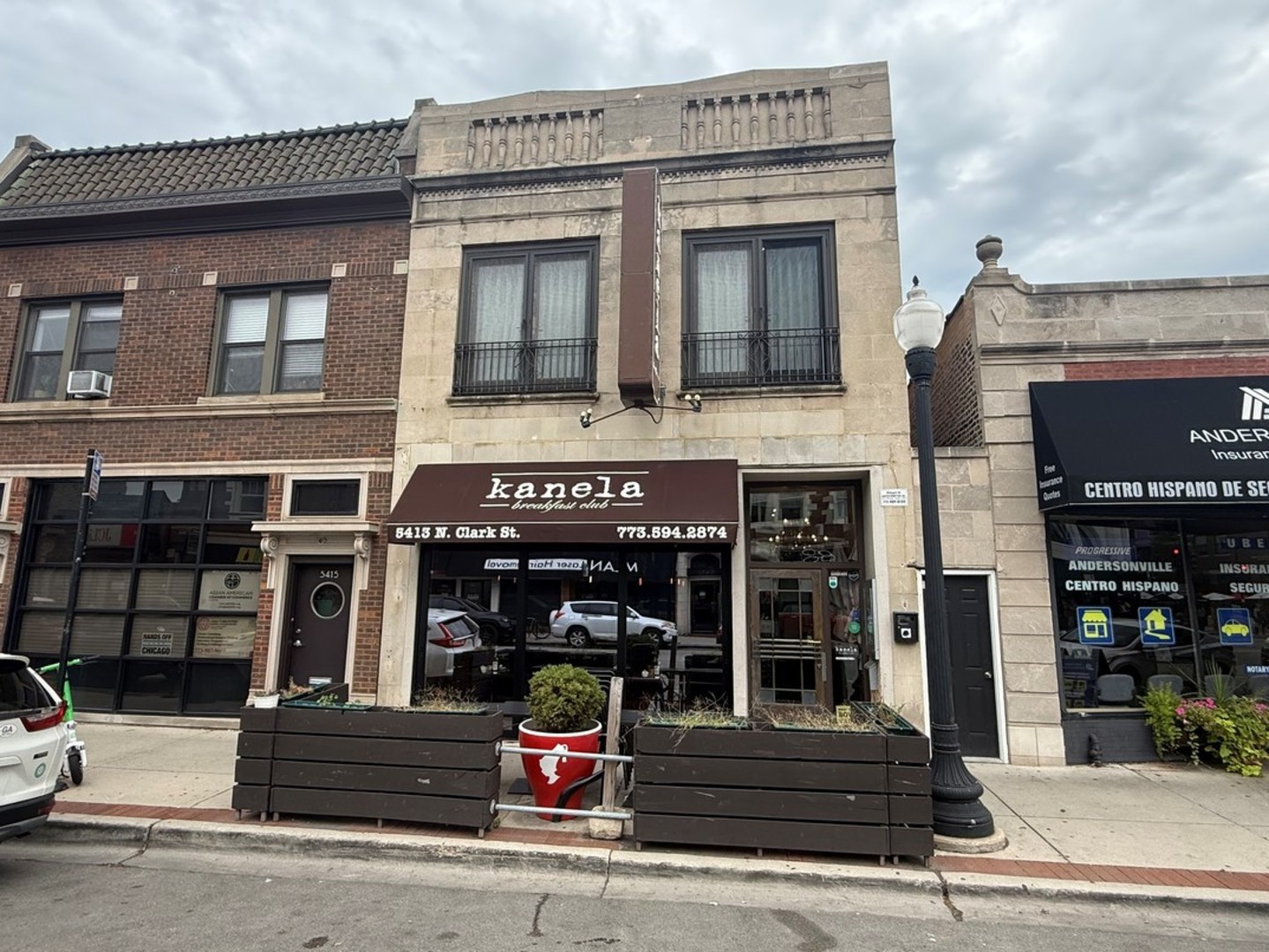
Clark Street is central to Andersonville's identity.
The commercial district contains an unusually strong concentration of locally owned and independent businesses, including restaurants, cafes, bakeries, boutiques, bookstores, home and gift shops, specialty retailers and neighborhood services.
That independent-business culture isn't incidental to Andersonville. It is part of the neighborhood's history and remains an intentional part of its identity.
The result is a commercial corridor that gives people a reason to walk through the neighborhood rather than simply travel somewhere to complete an errand.
You may stop for coffee, browse a bookstore or independent shop, meet someone for dinner, pick up something for your home or garden and encounter something you weren't specifically looking for.
For many buyers, having that kind of activity within walking distance is one of the strongest reasons for choosing Andersonville.
The experience changes quickly when you leave Clark Street.
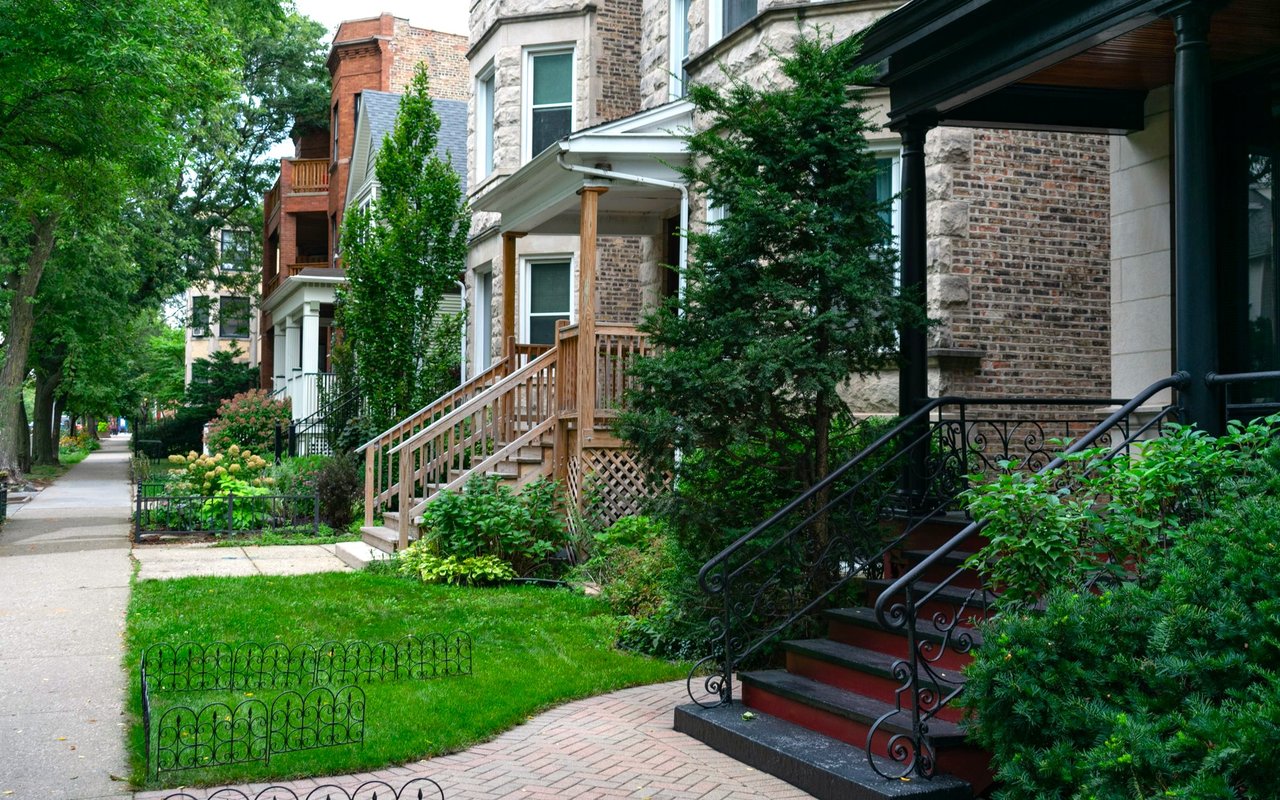
Streets such as Glenwood and the surrounding residential blocks have mature trees, established landscaping and an appealing collection of vintage buildings and homes.
That's something buyers often notice immediately.
The architecture, landscaping and scale of the residential streets create a sense that Andersonville is established and cared for.
For buyers who want neighborhood activity but don't necessarily want that activity directly outside their front door, this combination can be particularly attractive.
One of Andersonville's most architecturally distinctive residential pockets is Lakewood Balmoral.
Developed primarily from the 1890s through the early twentieth century, the area contains more than 400 single-family homes and two-flats, many situated on unusually generous Chicago lots.
The architecture includes Victorian and Queen Anne influences, Shingle Style, American Foursquare, Prairie influences and substantial brick and stone two-flats.
Walking through Lakewood Balmoral, buyers encounter large porches, decorative woodwork, masonry, leaded and stained glass, mature landscaping and homes that have retained or restored significant architectural details.
Some properties include coach houses and other features that reflect the scale and period of the neighborhood's original development.
Lakewood Balmoral demonstrates another side of Andersonville's housing market - one centered on substantial historic homes, architecture, larger lots and preservation.
Many Andersonville condominiums are located in vintage buildings or smaller associations, which makes understanding the building particularly important.
Some of the questions I routinely discuss with buyers include:• How much does the association have in reserves?
These questions can have a meaningful effect on both day-to-day ownership and future resale.
Vintage buildings can operate very differently from newer construction.
Some Andersonville buildings use common boiler and radiator systems, while others have been converted to individually controlled forced-air heating and central air conditioning.
Some units without central air rely on window or through-wall air-conditioning systems.
Laundry can be another important consideration.
A building may have common laundry, existing in-unit laundry or the physical potential to add a washer and dryer - but whether installation is permitted depends on the building, plumbing and association rules.
For buyers who strongly prefer central HVAC or in-unit laundry, these details can quickly affect which properties remain under consideration.
Buying into a smaller condominium association can also mean becoming more directly involved in the operation of the building.
Owners may serve on the board and participate in decisions involving maintenance, reserves, capital projects, building rules and long-term planning.
A low monthly assessment isn't automatically better, just as a higher assessment isn't automatically a negative.
The more important question is whether the association's finances and planning are appropriate for the building and its anticipated needs.
Parking is another important consideration.
Many of Andersonville's buildings were constructed long before today's parking expectations, and available parking varies considerably from property to property.
A condominium may include garage or exterior parking, have a separately deeded or assigned space, provide rented parking or offer no dedicated parking at all.
For buyers who require parking, establishing exactly what comes with the property - and what alternatives exist nearby - should happen early in the search.
The buyers I see gravitating specifically toward Andersonville often respond to something that is difficult to reduce to a single amenity.
It's the overall experience of the neighborhood.
The vintage architecture is visible as you walk down the street. Mature trees and landscaping give the residential blocks character. Clark Street provides restaurants, cafes, nightlife, shops and everyday services without feeling disconnected from the surrounding residential community.
Andersonville's Swedish heritage remains visible in the neighborhood, while its substantial LGBTQ+ community has become another important part of its identity.
The result is a neighborhood shaped by multiple generations of residents, businesses and communities rather than by a single period of development.
For many buyers, Andersonville simply has a strong sense of place.
Buyers interested in Andersonville frequently consider Edgewater, Ravenswood and Lincoln Square as well.
Each offers attractive residential streets, independent businesses, restaurants, cafes and its own neighborhood identity.
The distinction is often one of concentration and experience rather than a simple checklist of amenities.
Andersonville places a particularly strong combination of vintage architecture, landscaped residential streets, independent businesses, dining, LGBTQ+ community and walkability within a relatively compact area centered around Clark Street.
Edgewater offers closer access to the lakefront and considerably more high-rise condominium inventory in its eastern sections.
Ravenswood offers its own mix of residential streets, lofts, converted industrial properties, breweries and access to the Brown Line and Metra.
Lincoln Square has a distinct commercial center around Lincoln Avenue and its own strong independent-business and residential character.
For someone who specifically chooses Andersonville, the decision often comes down to how all of those elements feel together.
Andersonville's appeal can also make inventory an important part of the search.
At times, buyers may have difficulty finding the particular combination of price, size, condition, parking and property type they want within the neighborhood.
Price can also lead buyers to expand their search into nearby Edgewater, Ravenswood, Lincoln Square or Uptown.
The tradeoffs can be quite different.
A buyer moving east into Edgewater, for example, may gain access to more elevator and full-service high-rise options but encounter a different building environment and potentially higher monthly assessments.
A buyer moving west may find different housing stock and transportation options while remaining relatively close to Andersonville.
Understanding what the buyer actually values about Andersonville helps determine how far the search can expand without losing the qualities that attracted them in the first place.
Pricing an Andersonville property begins with identifying the property type and the market in which it actually competes.
A vintage courtyard condominium shouldn't be evaluated the same way as a newer condominium, two-flat or single-family home.
For a vintage condominium, I consider factors including:
Two units that appear similar on paper can compete very differently once those factors are considered.
For single-family homes, pricing may involve:
Properties within Lakewood Balmoral may require an even more specialized comparable analysis because of the area's lot sizes, architecture and individual character of the homes.
The objective is not to apply a broad Andersonville average to every property. It's to identify the properties a buyer would genuinely consider as alternatives to the seller's home.
Andersonville's identity has evolved considerably over time.
The neighborhood developed as an important Swedish immigrant community following the Great Chicago Fire, and that history remains visible through institutions such as the Swedish American Museum, neighborhood architecture and traditions including Midsommarfest.
Over time, Andersonville also became an important home and gathering place for Chicago's LGBTQ+ community.
Today, both histories are part of a broader neighborhood identity that values independent businesses, community involvement and inclusivity.
The combination is one of the reasons Andersonville feels different from neighborhoods whose identity is tied primarily to a particular housing type or commercial corridor.
Andersonville's commercial environment is one of its defining features.
Rather than attempting to maintain an exhaustive directory, the website should highlight a small number of enduring neighborhood institutions and examples.
Gethsemane Garden Center is a longtime destination for plants, gardening and home-related goods.
Swedish American Museum preserves and interprets the neighborhood's Swedish-American heritage.
Chicago Magic Lounge adds a distinctive entertainment destination to Clark Street.
Food and cafe examples could selectively include Lost Larson, Hopleaf and The Understudy Coffee and Books.
The specific businesses featured can change over time. The more important evergreen story is Andersonville's unusually strong network of locally owned restaurants, cafes, shops, bookstores, nightlife and neighborhood services.
Community events reinforce Andersonville's neighborhood identity throughout the year.
The Andersonville Farmers Market operates seasonally, while events such as Midsommarfest, Arts Weekend, neighborhood restaurant events and holiday programming bring activity to the commercial district at different times of year.
Midsommarfest is particularly connected to Andersonville's history, combining the neighborhood's Swedish heritage with its contemporary community and LGBTQ+ presence.
Because schedules and locations can change, event dates should not be hard-coded into evergreen neighborhood copy.
Andersonville is served by multiple CTA bus routes along and across the neighborhood, including service on Clark, Ashland, Foster and Bryn Mawr.
Red Line service is available east of the neighborhood, including the reconstructed Berwyn and Bryn Mawr stations.
The distance to rail varies depending on where someone lives in Andersonville, so buyers who rely heavily on the train should consider their specific property location rather than treating transit access as uniform throughout the neighborhood.
For many residents, the combination of bus service, Red Line access, biking and walkability provides multiple ways to move through the North Side and into downtown Chicago.
Patrick has represented buyers and sellers in and around Andersonville across vintage condominiums, smaller residential buildings and other property types.
Representative transactions include:
Whether you're considering selling an Andersonville property, beginning a home search or simply trying to understand the neighborhood's real estate market, let's talk about your goals.
Explore available listings in the area.
6,891 people live in Andersonville, where the median age is 40 and the average individual income is $72,869. Data provided by the U.S. Census Bureau.
Total Population
Median Age
Population Density Population Density This is the number of people per square mile in a neighborhood.
Average individual Income
There's plenty to do around Andersonville, including shopping, dining, nightlife, parks, and more. Data provided by Walk Score and Yelp.
Explore popular things to do in the area, including xXx Racing.
Andersonville has 3,557 households, with an average household size of 2. Data provided by the U.S. Census Bureau. Here’s what the people living in Andersonville do for work — and how long it takes them to get there. Data provided by the U.S. Census Bureau. 6,891 people call Andersonville home. The population density is 21,130 and the largest age group is Data provided by the U.S. Census Bureau.
Total Population
Population Density Population Density This is the number of people per square mile in a neighborhood.
Median Age
Men vs Women
Population by Age Group
0-9 Years
10-17 Years
18-24 Years
25-64 Years
65-74 Years
75+ Years
Education Level
Total Households
Average Household Size
Average individual Income
Households with Children
With Children:
Without Children:
Marital Status
Blue vs White Collar Workers
Blue Collar:
White Collar:
Whether you're preparing to sell, beginning a home search or simply trying to understand your options, let's have a conversation about your goals and the market.
Patrick O'Brien
Office Address
2350 NORTH LINCOLN AVE 3RD FLR
CHICAGO IL 60614