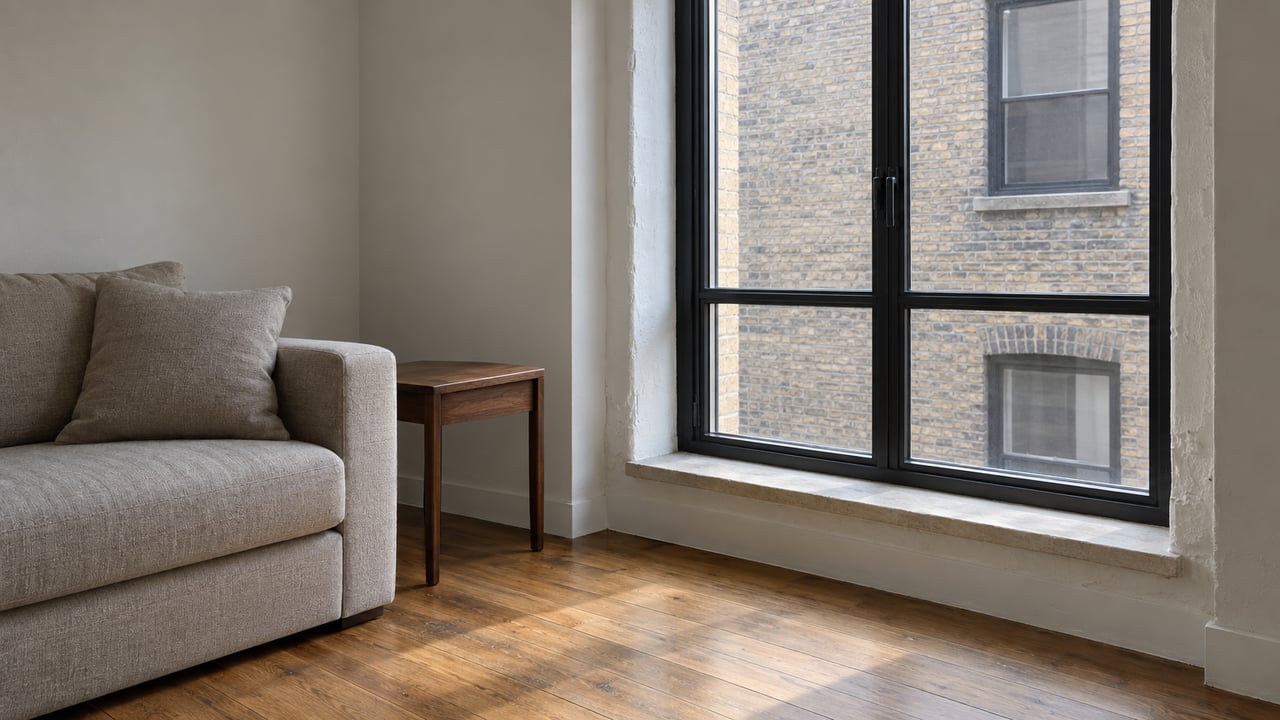
Why a Gold Coast One-Bedroom Can Cost $250,000 or $600,000 on the Same Block
October 1, 2026
October 1, 2026
Walk two blocks along Lake Shore Drive in the Gold Coast and you can find a one-bedroom listed at $250,000 within sight of a nearly identical floor plan asking $600,000. Same prewar detail, same ceiling height, same lake views from the higher floors. The gap isn't about condition or square footage. It's about whether the seal on the door says condominium or cooperative.
That single distinction, condo versus co-op, is doing more work in the Gold Coast's price data than almost anyone shopping by portal median realizes. If you've pulled up a neighborhood snapshot and are stacking that number against Lincoln Park or Streeterville, you're averaging two products that don't behave the same way in a transaction, a mortgage application, or a renovation permit.
A condo purchase gets you a deed to your unit and a share of the building's common elements under Illinois condominium law. A co-op purchase gets you shares in the corporation that owns the entire building, plus a proprietary lease giving you the right to occupy a specific apartment. You never hold a deed. You hold stock and a lease, and the building's board decides who else gets to hold stock next to yours.
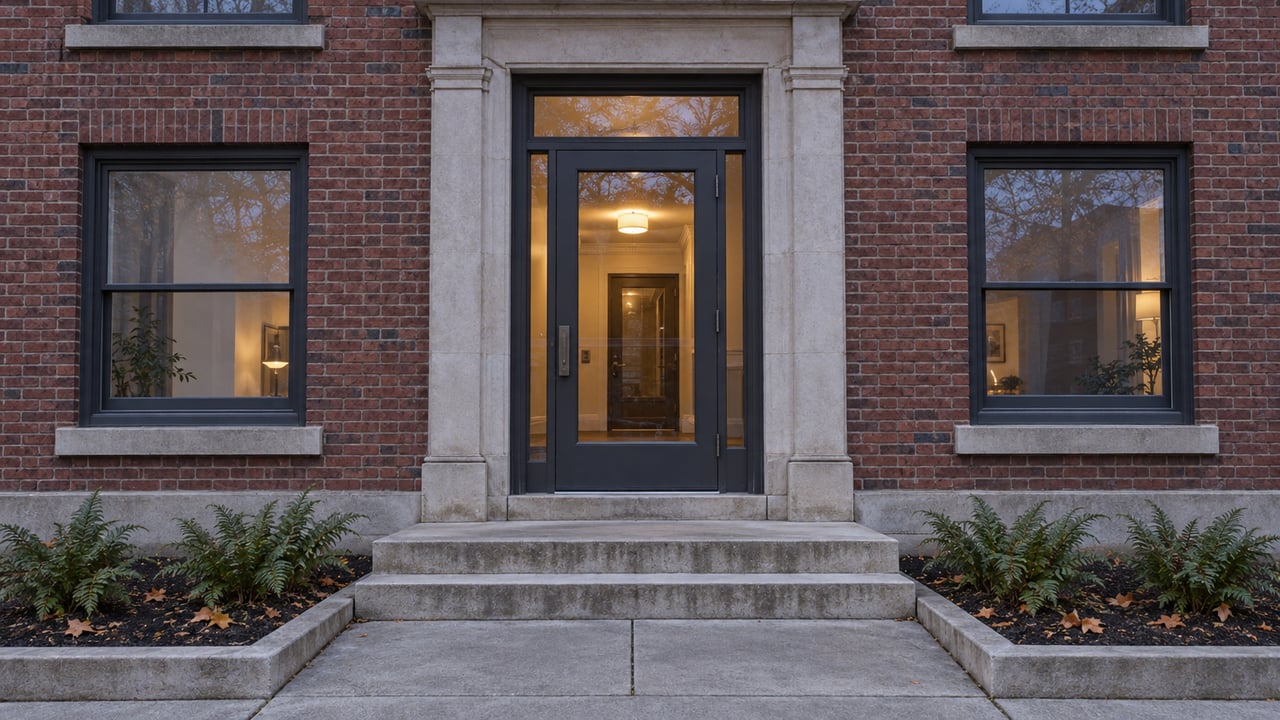
The Gold Coast has one of the heaviest concentrations of these buildings in the city, most of them prewar, most clustered along Lake Shore Drive and State Parkway. A few of the addresses that come up again and again in this corner of the market:
These aren't fringe properties. They're some of the most architecturally distinguished buildings in the neighborhood. The lower price tag isn't a quality discount. It's a liquidity discount, and it starts with the board.
Buying into a Gold Coast co-op means assembling an application package before you can close: tax returns, bank statements, personal references, and usually an in-person interview with the board. Every building runs this differently, but the general shape is consistent, and it adds real time to a transaction that a condo purchase doesn't require. Practical guidance from Chicago closing professionals puts board package preparation and interviews at roughly four to eight weeks on top of a standard purchase timeline, depending on the building and how quickly the buyer's documentation comes together.
That's not a formality you can rush by being a strong candidate on paper. The board's approval is discretionary, and it happens after you've already gone under contract, which means a buyer's financing and moving plans need to flex around a calendar they don't control.
Even a buyer with excellent credit runs into a second layer of friction: the loan itself. Co-op purchases are financed through share loans rather than standard mortgages, and only a small number of lenders in Chicago, mostly local portfolio lenders who know these buildings, will write them. Financing in Gold Coast co-ops commonly caps out around 50 to 70 percent of the purchase price. That means a buyer needs 30 to 50 percent down before a lender will even engage, well above what most condo financing requires. FHA and VA programs generally don't apply to cooperative ownership here at all.
That financing wall is the real reason one-bedroom co-ops can start as low as $250,000 in a neighborhood where comparable condo product runs several times that. The pool of buyers who can clear both the liquidity bar and the board interview is much smaller, and price follows buyer pool. That makes these units one of the lower entry points into Chicago's luxury market, and the math behind that is entirely about who's allowed to bid, not what the real estate is worth on paper.
The board's reach doesn't end at the closing table. Renovation projects in these buildings go through the same approval process that vetted the buyer, and it shows up in both timeline and cost. A 2026 case study from Assembly Squad, a Chicago renovation firm that has worked across the Lake Shore Drive corridor, documented a full gut renovation at 1242 North Lake Shore Drive: $265,000 all-in, ten weeks, navigating the same formal pre-war board approval process that applies at 1120 North Lake Shore Drive, 1420 North Lake Shore Drive, and 1320 North State Parkway. The firm noted that hiring a contractor already approved by a building's board can shave four to six weeks off the process compared with introducing a new contractor from scratch, since prior work history and submitted credentials carry weight with boards wary of unknown crews in a full-service building.
For a buyer weighing a co-op's lower purchase price against a condo's higher one, this is the line item that belongs in the comparison from day one. The savings on the purchase can be real. Some of it gets spent back in board-driven timeline friction if a renovation is part of the plan.
Here's where the co-op and condo split shows up in the aggregate numbers, and where it explains something that looks like a data error until you know the building stock. In January 2026, Redfin's Gold Coast neighborhood data showed the median sale price at $487,000, down 22.1 percent from the same month a year earlier, while the median sale price per square foot was $397, up 28.1 percent over that same window. A falling median alongside a rising per-square-foot figure doesn't usually happen in the same market at the same time.
One explanation that lines up with everything above: if more of what closed that month was smaller-footprint, lower-priced co-op inventory, that pulls the overall median sale price down even as the properties commanding top per-square-foot pricing, renovated and amenity-heavy condo units, keep pushing the per-foot number up. A single "median home price" for the Gold Coast is really an average across two ownership structures with very different buyer pools, financing paths, and closing timelines. Reading that median as a simple appreciation or depreciation signal misses what's actually driving it.
If you're cross-shopping Gold Coast against Lincoln Park or Streeterville using a single median number from a portal, ask what's inside that number before you draw a conclusion about affordability or value. A Gold Coast condo and a Gold Coast co-op at the same price point aren't the same purchase. One closes on a standard mortgage timeline. The other adds weeks of board review, caps your financing at 50 to 70 percent loan-to-value, and comes with subletting restrictions that affect what you can do with the unit later.
The spread across the full Gold Coast product line makes this even more pronounced. Detached single-family homes near Astor Street or Dearborn Parkway run $3 million to $10 million or more. Townhomes and row houses offer a lower entry point at $1.5 million to $4 million. Co-ops sit at the opposite end, sometimes starting under $300,000 for a one-bedroom. A single median sale price trying to represent all of that tells you less than a same-building, same-ownership-type comparison would.
Can I use an FHA or VA loan for a Gold Coast co-op? Generally no. Co-op financing runs through a limited group of portfolio lenders offering share loans, and government-backed loan programs typically don't apply to cooperative ownership structures in Chicago.
How much extra time should I budget for a co-op purchase compared with a condo? Plan for an additional four to eight weeks beyond a standard purchase timeline to account for board package preparation, document review, and the interview itself.
Does a lower co-op purchase price mean lower monthly costs too? Not automatically. Co-op maintenance charges often bundle property taxes, building staff, and debt service on any underlying building mortgage into one monthly figure, while condo owners pay assessments and property taxes separately. Comparing the two requires breaking down what's actually included in each building's monthly charge, not just the sticker price at closing.
If you're trying to figure out whether a Gold Coast co-op's lower price actually pencils out against a condo down the block, that's exactly the kind of building-specific comparison worth running before you write an offer. Patrick O'Brien can walk through the numbers on a specific building and line with you. Let's connect and start with a free home valuation.
This article is general information, not legal, tax or financial advice. Consult a qualified professional about your situation.
Stay up to date on the latest real estate trends.
Whether you're preparing to sell, beginning a home search or simply trying to understand your options, let's have a conversation about your goals and the market.
Patrick O'Brien
Office Address
2350 NORTH LINCOLN AVE 3RD FLR
CHICAGO IL 60614